

How To Create a Learning Adventure When Exploring New Places
As an Amazon Associate, I earn from qualifying purchases. This post may contain affiliate links. Read my disclosure policy.

Exploring new places with your kids is one of the easiest—and most meaningful—ways to spark curiosity, connection, and hands-on learning. Whether you’re visiting a new city, hiking a local trail, or discovering a hidden spot in your own town, every outing has educational potential. With a bit of creativity, you can turn any trip into a memorable learning adventure.
How Can You Help Your Kids Discover Something New?
Start by planning the outing together. Pull out a map and show your kids where you’re going. Point out parks, museums, trails, or fun landmarks along the route. Let your kids choose one thing they are excited to see—this helps them feel invested and builds anticipation.
You can also create a simple scavenger hunt or a “things to look for” checklist. Turning the outing into a mission helps kids slow down, observe, and engage with details they might not notice otherwise. Checking off each item becomes part of the fun and keeps little explorers motivated.
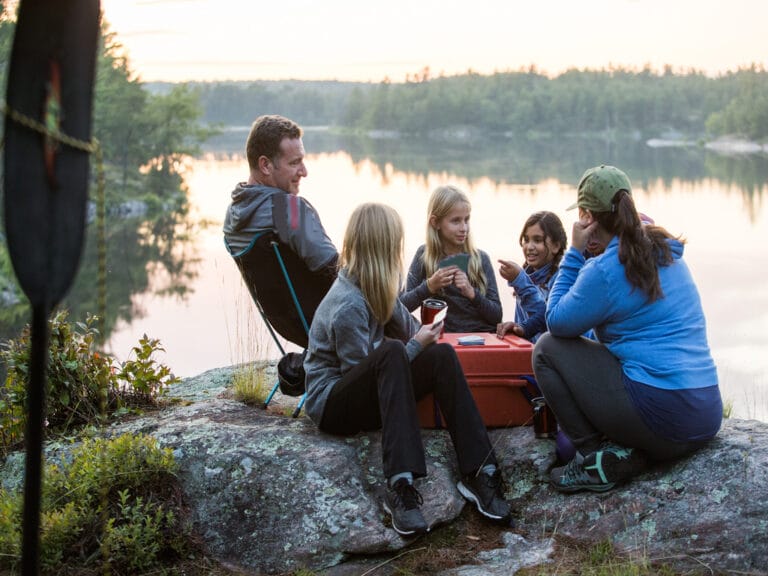
If you’re exploring nature, try pairing your outing with hands-on activities—like collecting leaves, noticing animal tracks, or identifying shapes in the clouds. (If your kids love nature crafts, they might also enjoy Nature Scavenger Art.)
How the Journey Shapes the Adventure
Use the journey—whether walking, riding in the car, or taking public transit—as a learning opportunity. Ask your kids:
- What do you think we’ll find when we get there?
- Have you been somewhere like this before?
- What plants or animals might we see on the way?
Sometimes big transitions, like moving to a new place, create the perfect chance to explore together. Turn your new environment into a treasure hunt—find the best library reading nook, the coolest playground, or the tastiest ice cream shop. When kids help discover these gems, they start feeling comfortable and confident in their new surroundings.
Which Steps Help Make Adventures Fully Immersive?
Encourage kids to explore with all five senses when they arrive somewhere new.
Try This:
- Touch: Hunt for rocks, pinecones, or leaves with cool textures or shapes.
- Hearing: Close your eyes and listen. Are there new birds, city sounds, or waves?
- Sight: Notice colors, landmarks, patterns, and motion.
- Smell: What does the air smell like? Forest? Ocean? Food carts?
- Taste: Try a local snack or treat and talk about how it tastes.
Give kids a simple travel journal, clipboard notebook, or your old phone to use as a “camera” for capturing discoveries. These little tools make the experience feel even more special.
What Happens After the Adventure?
After you return home, take a few minutes to reflect together. Ask:
- What surprised you today?
- What was your favorite thing we found?
- What do you want to explore next time?
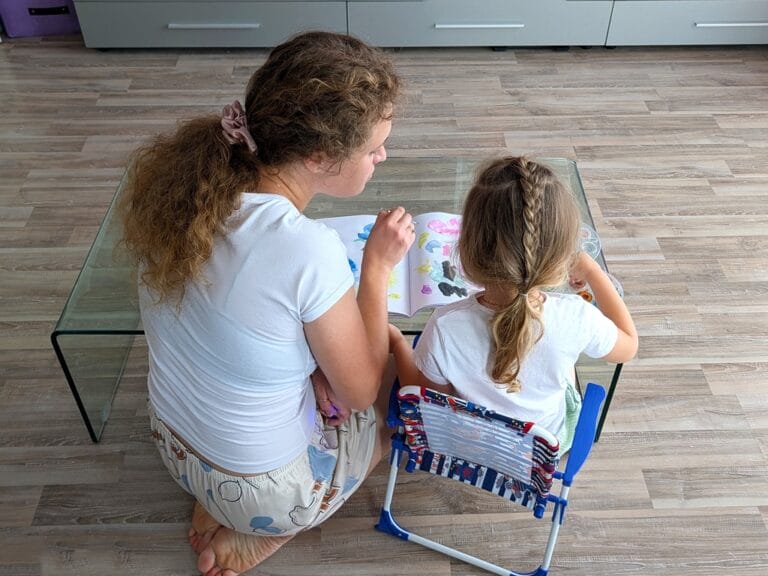
Kids can draw their favorite moment, write a sentence in a journal, or map the route you took. This helps turn a single outing into a memory that sticks—and strengthens their storytelling and observational skills.
Giving Kids the Gift of Lifelong Curiosity
When you make it a habit to create learning adventures while exploring new places, you give your kids far more than a fun day out. You’re nurturing curiosity, problem-solving skills, confidence, and a deeper connection to the world around them—one small adventure at a time.