How to Create the Ultimate Family Garden Shed
Some of the content in this post was provided by a contributor. We only share resources we think are helpful.
A family garden shed is more than a small building in your backyard. It is a place where muddy boots land after an afternoon of planting, where tools are stored between seasons, and where small projects quietly turn into lifelong memories. It can be a peaceful morning retreat for you or a busy hub where your kids plant their first tomatoes and check on seedlings each day.
When designed with intention, a garden shed becomes one of the most useful — and meaningful — spaces on your property.
If you want to create the ultimate family garden shed, think beyond basic storage. You want something strong, organized, inviting, and built to grow with your family.
In this guide, you’ll learn how to plan, design, and build a shed that works for everyone.
Start With a Clear Vision
Before building, take a moment to imagine how your family will actually use the shed.
Will it store tools and lawn equipment? Will it double as a potting station? Do you want a small workbench for DIY projects? Maybe you’d love a space where your kids can start seeds, label plants, and learn how food grows.
When you’re clear about your purpose, every decision becomes easier. The size, layout, lighting, and materials all depend on how you want the space to function.
Walk around your yard and choose the right location. Pick a spot that’s easy to access but not in the way of daily life. Make sure it gets enough sunlight if you plan to use it for potting plants. Check that the ground drains well after heavy rain — soggy soil can create problems later.
Choose the Right Size and Structure
One common mistake is building a shed that’s too small. At first, it may seem like you only need space for a mower and a few tools. Over time, though, you’ll collect pots, soil, seeds, seasonal decorations, and gardening supplies.
A good rule of thumb is to build slightly larger than you think you need. Even a few extra feet can make the space feel more comfortable and less cluttered.
Traditional wooden sheds are popular because they’re easy to customize. Metal sheds are durable and low maintenance. Some families are also exploring alternative options for backyard storage because they offer added strength and security.
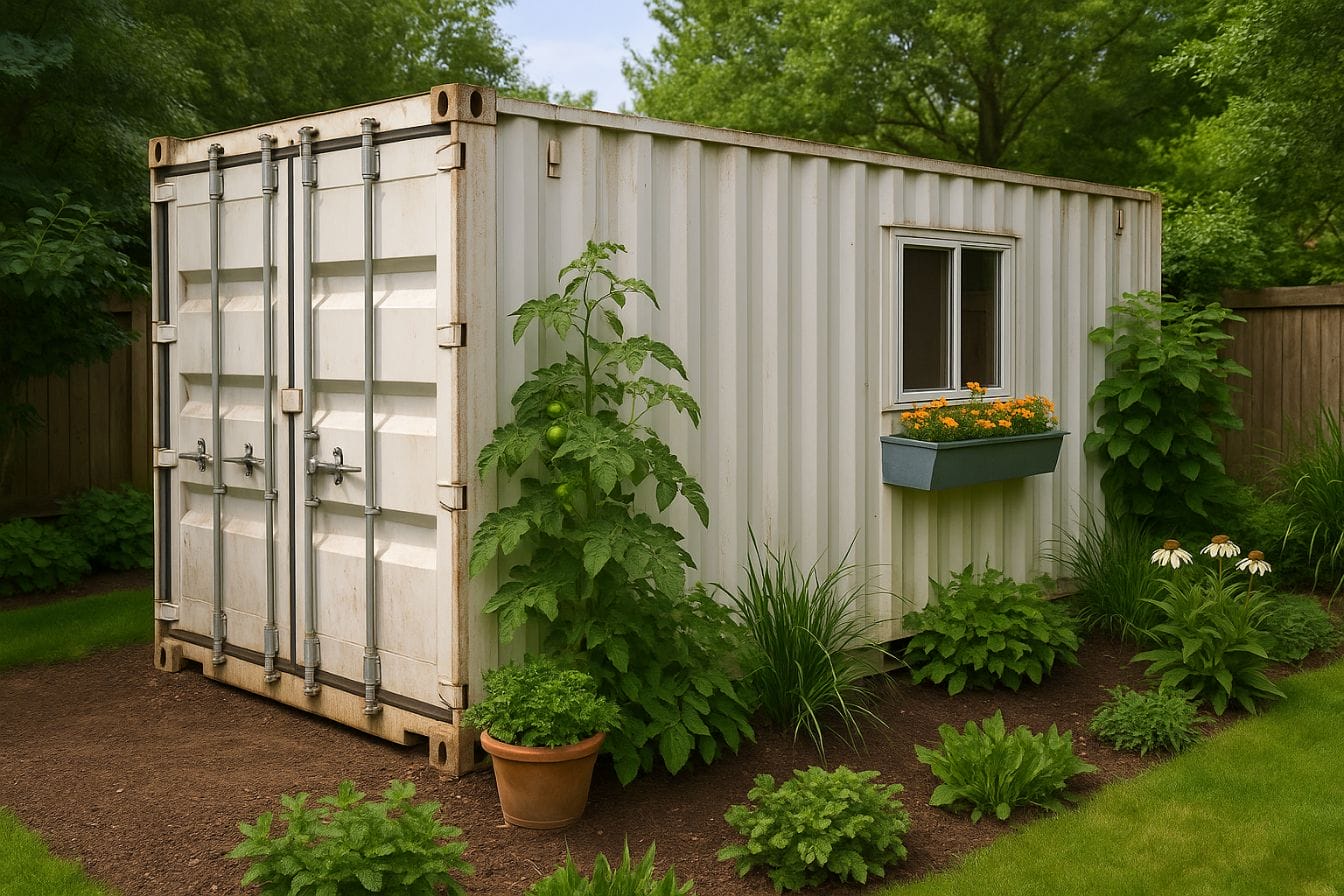
If you want something unique and modern, a shipping container shed can be a smart option. It provides a solid structure that can be customized with windows, doors, shelving, and insulation depending on how your family plans to use it.
No matter what structure you choose, durability matters. The ultimate family shed should last for many seasons of planting, organizing, and growing.
Build a Strong Foundation
A shed is only as good as its foundation. If the base shifts or collects water, you could face issues like rot, rust, or uneven floors.
For smaller sheds, a gravel base may be enough. Gravel allows for proper drainage and is budget friendly. For larger or heavier sheds, a concrete slab provides a stable and long lasting foundation — especially helpful if you plan to store heavy equipment or use the shed as a workshop.
Take your time to ensure the base is level before building. A strong foundation keeps everything else functioning smoothly.
Design an Organized Interior
The ultimate family garden shed isn’t cluttered. It’s organized and easy to use.
Start with the walls. Install shelves for pots, soil, and small tools. Use pegboards or wall hooks to hang rakes, shovels, and hoses. Keeping tools off the floor creates more room and makes cleanup easier.
Use vertical space wisely. Tall shelving units can hold seasonal items or extra supplies. Clear bins allow you to see what’s inside without digging through every container.
If space allows, add a sturdy workbench. A simple surface becomes a place to repot plants, repair tools, or complete DIY projects. For kids, it can turn into a hands-on learning station — measuring soil, observing roots, or organizing seed packets for the next season.
You might even give your children a small labeled shelf for their own gloves, watering cans, or seed collections. That small ownership builds responsibility and confidence.
Make It Comfortable for the Whole Family
Comfort makes a difference. If the shed feels dark and cramped, your family won’t spend time there.
Natural light is ideal. Adding windows or a skylight makes the space feel bigger and more welcoming. If electricity is available, bright LED lighting works well. Solar powered options can be simple and effective too.
Ventilation is also important. Sheds heat up quickly in summer. Small vents or windows that open improve airflow. In colder climates, basic insulation allows you to use the space beyond just the growing season.
Small details help too — a fresh coat of paint, a few potted plants outside the entrance, or a simple bench nearby can transform the shed from purely functional to inviting.
Create Zones for Different Activities
If your shed is large enough, divide it into sections:
- One side for tools.
- One side for potting and planting.
- Maybe a corner for small repairs or woodworking.
Clear zones prevent clutter and make it easier for everyone to find what they need.
A shipping container makes a strong base as it can be sealed and locked from the outside to keep everything safe. This can be especially helpful if you store valuable tools or equipment inside.
When each space has a purpose, the shed becomes more than storage — it becomes part of your family’s routine.
Focus on Safety
Safety is essential when tools are involved. Store sharp tools out of reach of young children. Keep fertilizers and other products in sealed containers on higher shelves.
If your shed has electricity, ensure wiring is properly installed and outdoor rated. Keep cords neatly secured to prevent tripping hazards.
Simple safety habits protect both your equipment and your family.
Blend the Shed With Your Backyard
The ultimate family garden shed should feel like it belongs in your yard.
Choose colors that complement your home or garden. Neutral tones create a peaceful look, while brighter colors can make the shed a cheerful focal point.
Plant flowers or shrubs around the base. Add a small stone path leading to the door. You could even string soft outdoor lights nearby or place a small seating area close to the entrance. These details make the shed feel intentional rather than temporary.
Maintain It Over Time
Once your shed is built and organized, simple maintenance keeps it functioning well. Check the roof after heavy storms. Repaint or reseal wood as needed. Sweep out dirt and reorganize shelves seasonally.
If you choose a steel structure, inspect for early signs of rust and address them promptly. A little attention each season protects your investment for years.
Make It a Place for Memories
At the heart of it all, a family garden shed isn’t just about tools.
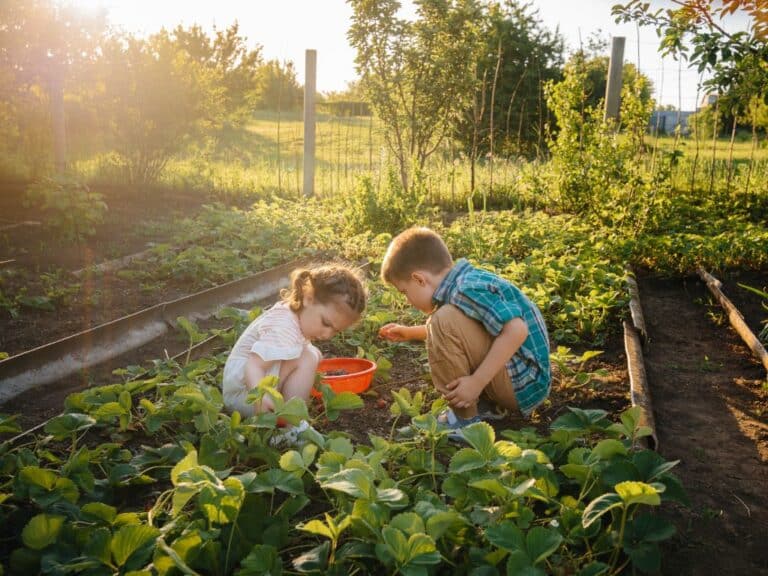
It’s where your children learn that food doesn’t start in a grocery store. It’s where they label tomato seedlings, watch sprouts push through soil, and feel proud harvesting something they planted themselves.
You may spend quiet mornings planning your garden or busy afternoons organizing seed trays together.
When you build your shed with care, you create more than a structure. You create a space that supports learning, encourages responsibility, and brings your family closer — one planting season at a time.