

Protecting Kids’ Hearing in a Noisy World
Some of the content in this post was provided by a contributor. We only share resources we think are helpful.
Everyday life feels louder than ever, from busy streets to tablets, toys, and crowded events. Parents should take time to notice how often children encounter high noise levels and take simple steps to reduce long-term impact. Hearing health often gets overlooked, but it plays a key role in communication and well-being. Below are our tips for protecting kids’ hearing in a noisy world.
What Counts as Too Loud for Kids
Not all noise feels harmful, which makes it easy to miss potential risks. Sounds such as concerts, sporting events, and even some household appliances can reach levels that strain young ears. Volume matters, but so does duration. A moderately loud sound over a long period can cause just as much stress as a short burst of very loud noise.
Having a general sense of how sound intensity works can help you make better decisions in the moment. Understanding decibel levels makes it easier to judge when something crosses into risky territory.
Everyday Habits That Protect Hearing
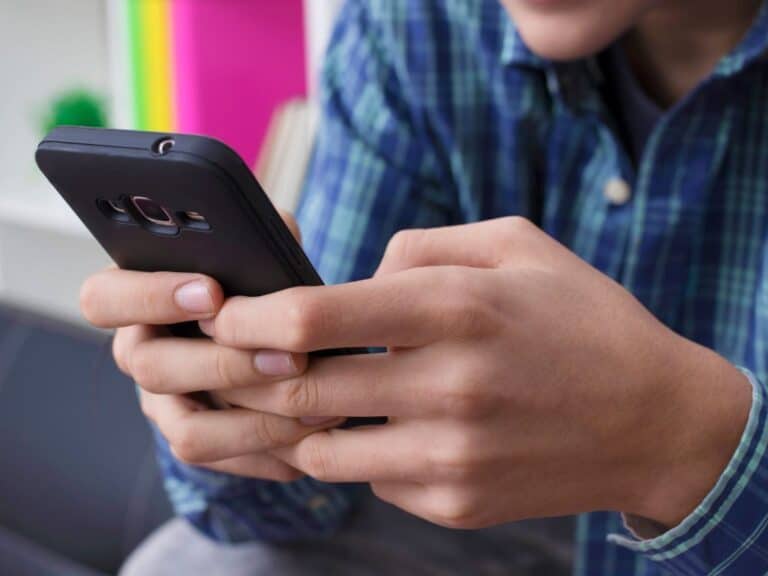
Simple habits go a long way. Lowering the volume on tablets and headphones is one of the easiest changes. Many devices allow you to cap volume levels, which removes the need to constantly monitor usage.
Positioning also matters. Sitting farther from speakers at events or turning down background noise at home reduces exposure without limiting fun. When noise levels rise, short breaks in quieter spaces give ears time to recover.
Consistency matters more than perfection. A few small adjustments, repeated daily, help protect hearing.
When To Use Hearing Protection
Certain environments call for extra protection. Fireworks, concerts, and loud sporting events often exceed safe noise levels, especially for younger children. In these settings, ear protection offers a simple and effective solution.
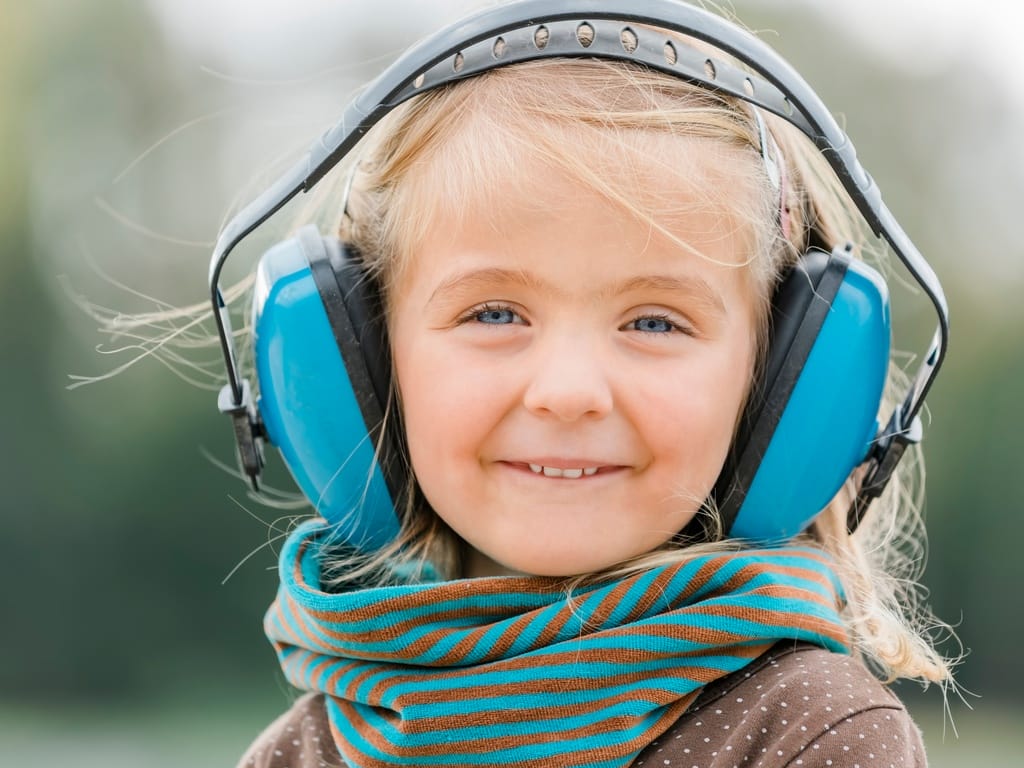
Comfort determines whether kids will actually use hearing protection. Lightweight, properly fitted earplugs or earmuffs work best because they stay in place without causing irritation. Preparing ahead of time makes it easier to use them consistently when needed.
Teaching Kids To Be Aware of Sound
Kids respond well when they understand why something is important. Instead of focusing only on rules, explain how loud sounds affect their ears. Encourage them to notice when something feels too loud and to speak up or step away. That awareness builds independence over time. It also turns hearing protection into a shared responsibility rather than a constant reminder.
Building a Healthier Sound Environment
Protecting your kids’ hearing in a noisy world is a natural extension of caring for your child’s health. Noise will always be part of daily life, but thoughtful choices can shape how much of it kids experience. Paying attention to volume, limiting exposure, and using protection when needed all contribute to better long-term outcomes.