Helping Homeschooled Kids Connect With Others
Some of the content in this post was provided by a contributor. We only share resources we think are helpful.
One of the biggest questions families have about homeschooling is how their kids will build friendships and learn to interact with others. When you’re focused on helping homeschooled kids connect with others, it’s natural to wonder whether learning at home might limit those opportunities.
The good news is that social connection doesn’t have to look like a traditional classroom. With a little intention, kids can build meaningful relationships in ways that feel comfortable and natural for them.
Choose Small, Familiar Groups
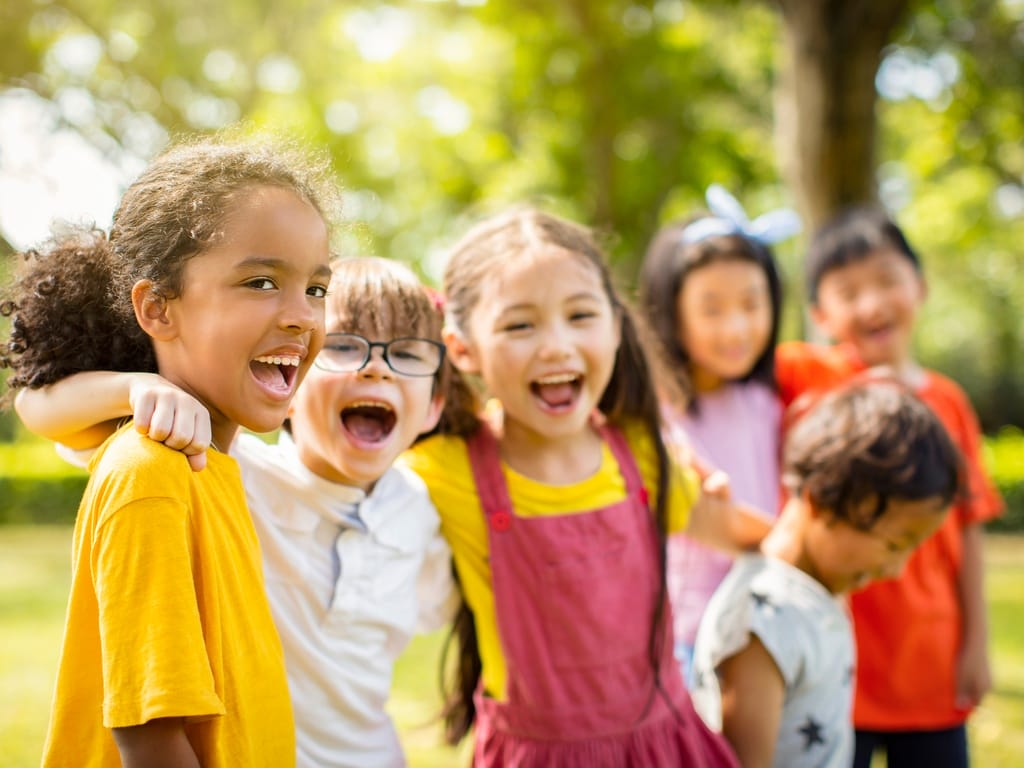
For many kids, smaller group settings feel easier to manage. Instead of jumping into large, busy environments, it often helps to start with a consistent group of just a few peers.
This could be a weekly learning pod, a homeschool co-op, or even a simple meet-up with the same families. Seeing the same kids regularly makes a big difference. Familiarity helps children relax and feel more willing to join in.
Use Activities With a Clear Purpose
Open-ended play has its place, but not every child knows how to jump in or keep things going. Activities with a shared focus can take some of that pressure off.
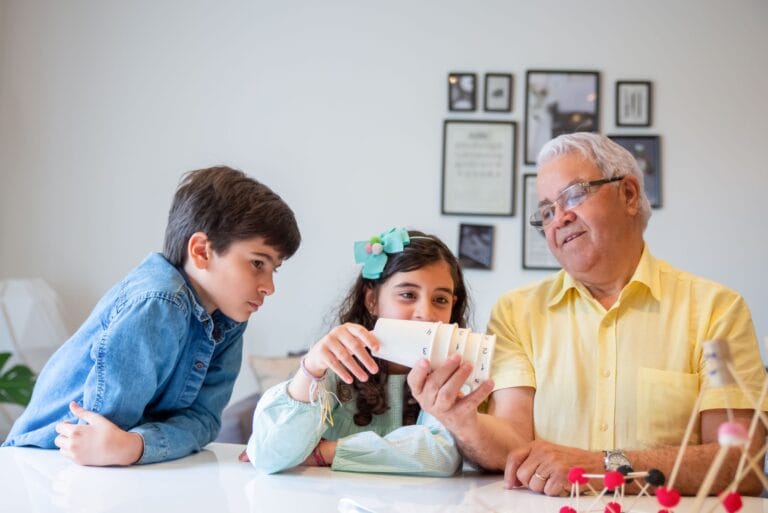
Reading together, doing a simple science activity, going to a museum, or playing a cooperative game gives kids something to center their attention on. Conversations and interactions tend to happen more naturally when there’s a clear starting point.
For some kids, starting with structured group learning environments can make social time feel more predictable and easier to navigate.
Give Kids Time To Get Comfortable
Not every child is going to jump right into a group—and that’s completely okay.
Some kids need time to watch first and ease in slowly. Those small steps matter. As kids begin to feel more comfortable, they often start participating more naturally on their own.
Keep Social Time Consistent
It’s easy to think kids need constant interaction, but consistency matters more than frequency.
A regular, low-pressure chance to connect, whether that’s once a week or a couple of times a month, can go a long way. Over time, those repeated interactions help friendships form in a more natural way.
When you’re helping homeschooled kids connect with others, these steady, familiar experiences often make the biggest impact.
Many homeschool families find that meaningful friendships grow slowly, through shared experiences and consistent routines.
Build Confidence Through Connection
With the right mix of structure, familiarity, and patience, homeschooled kids can develop strong social skills in ways that feel natural to them.
Those early connections don’t just lead to friendships—they also help kids build confidence, communication skills, and independence over time.