

What Kids Can Learn From Spending Time With Older Relatives
Some of the content in this post was provided by a contributor. We only share resources we think are helpful.
In today’s fast-paced world, children spend much of their time moving from one activity to the next. School schedules, sports practices, homework, and screens often fill their days. While technology certainly has its benefits, spending hours jumping from one video, game, or notification to another is not exactly healthy. Children benefit from opportunities to slow down, engage with others face-to-face, and experience the world beyond a screen.
That’s one reason why time spent with grandparents and other older relatives can be so valuable.
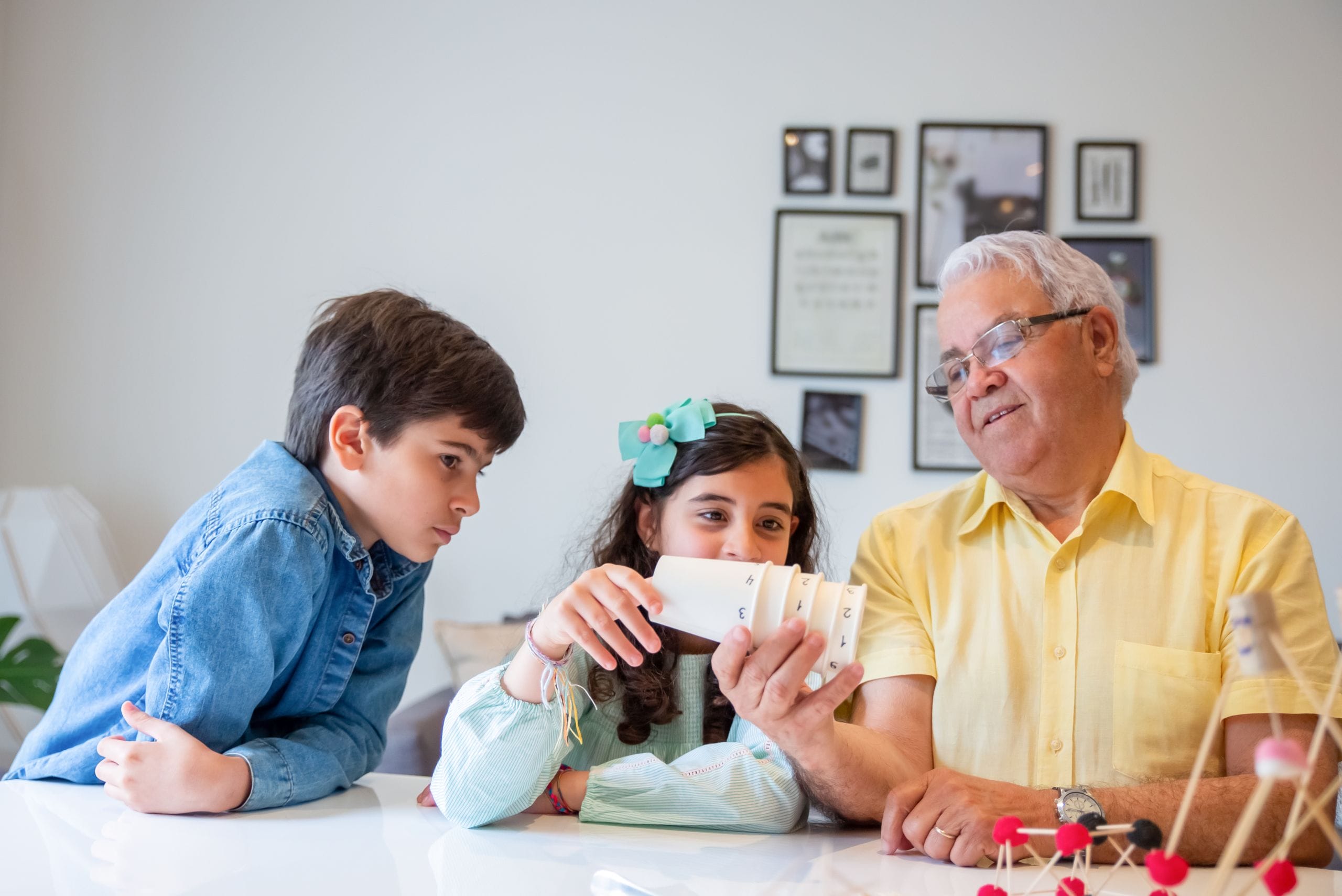
Older family members often offer something children don’t experience enough of today: unhurried conversations, practical knowledge, family stories, and opportunities to connect across generations. Whether they’re baking cookies together, tending a garden, playing cards, or simply talking, these moments can teach lessons that aren’t always found in a classroom.
Why Time With Older Relatives Feels Different
Many children are used to busy schedules and constant stimulation. Spending time with an older relative often introduces them to a slower pace where conversations last longer and activities aren’t rushed.
A grandmother teaching a child how to roll pie dough isn’t just sharing a recipe. She’s teaching patience. A grandfather repairing a garden tool isn’t simply fixing something. He’s showing persistence and problem-solving.
These quieter experiences help children learn that not everything needs to happen instantly. Sometimes the most meaningful moments happen when we slow down and pay attention.
Kids Learn Through Stories
One of the greatest gifts older relatives can share is their life experience.
When grandparents talk about challenges they’ve overcome, family traditions they’ve maintained, or memories from their childhood, children gain perspective. They begin to understand that setbacks are a normal part of life and that difficult situations can be overcome with time and effort.
Stories also help children develop empathy and critical thinking. Hearing how family members experienced different times and circumstances encourages them to see the world from another person’s point of view.
Family Traditions Become More Meaningful
Whether it’s making holiday recipes, planting a summer garden, or gathering for a weekly family meal, traditions help children feel connected to something larger than themselves.
Older relatives often serve as the keepers of these traditions. They pass down recipes, stories, skills, and customs that strengthen family bonds across generations.
Activities like visiting a farmers market together, cooking family recipes, or working in the garden create opportunities for children to learn, explore, and grow while building lasting memories with loved ones.
Children Pick Up Valuable Life Skills
Kids rarely sit down and ask someone to teach them a life lesson. Instead, they learn by watching.
A child helping Grandma sew a button or Grandpa plant tomatoes may not realize it at the time, but they’re gaining valuable skills through observation and practice.
These hands-on experiences often lead to practical lessons about responsibility, patience, and independence. Similar to learning first aid and other practical life skills, children gain confidence when they discover they can solve problems, help others, and contribute to their family.
Many of these lessons happen naturally without worksheets or formal instruction. Children simply learn by being involved.
Visiting Older Relatives in Care Facilities
Not every grandparent lives at home, but meaningful connections can still happen when older relatives live in assisted living communities or nursing homes.
Simple activities like playing cards, looking through photo albums, reading books together, or sharing stories can create special memories for both children and older adults.
Regular visits also help families stay involved in their loved one’s care. Children benefit from maintaining family connections, and families gain peace of mind by staying informed about their relative’s well-being. While most nursing homes provide quality care, it’s important to remain engaged and speak up if concerns arise. In situations involving neglect or mistreatment, families may need information about gathering evidence for a nursing home abuse claim and understanding the steps available to protect their loved one.
The Value of Being Bored
Many parents worry when children complain they’re bored during family visits. However, boredom isn’t always a bad thing.
Without constant entertainment, children often begin observing, asking questions, and engaging more deeply with the people around them. What may initially feel like boredom can become curiosity, creativity, and meaningful conversation.
Some of the best conversations, discoveries, and family memories happen when children have space to slow down and simply be present.
Conclusion
Spending time with older relatives gives children something increasingly rare in today’s world: opportunities to slow down, connect, and learn from real-life experiences.
Whether they’re hearing family stories, helping in the garden, learning practical life skills, or simply sharing a conversation, children gain valuable lessons that can stay with them for years. These relationships help build resilience, patience, empathy, and a stronger sense of family identity.
The activities themselves may seem simple, but the memories and lessons often last a lifetime. Encouraging children to spend time with grandparents and older relatives isn’t just about preserving family connections—it’s about helping them develop skills, values, and perspectives that will benefit them well into adulthood.