Making Dental Visits Fun For Children with a Kid-Friendly Dentist
Some of the content in this post was provided by a contributor. We only share resources we think are helpful.
Dental visits can feel like a big deal when you’re a kid. Strange tools, unfamiliar sounds, bright lights, and having someone look inside your mouth can make even a normally confident child feel nervous.
The good news is that a child’s early experiences at the dentist can help shape how they feel about dental care for years to come. A positive visit can make regular checkups feel like a normal part of taking care of their body rather than something to dread.
For parents, choosing a dentist who understands children and preparing kids for what to expect can make a huge difference. A kid-friendly dentist doesn’t just clean teeth and check for cavities. They also know how to communicate with children, help them feel comfortable, and turn an unfamiliar experience into something much less intimidating.
Why Pediatric Dental Care Matters for Young Children
The foundation for lifelong oral health begins during the first few years of life, as primary teeth emerge and eating and brushing habits develop.
Dental problems can also progress quickly in young children. Baby teeth have thinner enamel than permanent teeth, which means cavities can sometimes worsen faster once decay begins.
Early dental visits aren’t only about finding cavities. They give dentists a chance to monitor how teeth are coming in, talk with parents about brushing and nutrition, and identify potential problems before they become painful or require more complicated treatment.
The American Academy of Pediatric Dentistry recommends establishing a “dental home” by age one or within six months of the first tooth appearing. This often surprises parents who assume dental visits don’t need to begin until a child has most of their baby teeth.
Think about a toddler whose molars are just beginning to come in. Those back teeth have grooves that can easily trap food, and young children usually aren’t able to brush thoroughly on their own. Regular dental care can help parents learn how to protect those teeth while children are still developing their own brushing skills.
Pediatric dentists receive specialized training in child development, behavior management, and the oral health needs of growing children. Practices such as Olympia Hills Dental focus on creating a supportive environment where children can feel safe and understood.
Pediatric dentists are trained to communicate with different age groups, recognize developmental milestones that can affect oral health, and adjust their approach based on a child’s emotional and developmental stage. This can be especially helpful when dealing with common childhood habits such as thumb sucking or prolonged pacifier use.
How Kid-Friendly Dentists Make Dental Visits More Enjoyable
A kid-friendly dental office usually looks and feels very different from the traditional clinical environment many adults remember from childhood.
The goal isn’t simply to get children through an appointment. It’s to help them become comfortable with dental care so future visits feel familiar and manageable.
Kid-friendly dentists use age-appropriate communication and behavioral techniques based on how children naturally learn and process new experiences. A five-year-old, for example, may need a very different explanation than a ten-year-old.
Behavioral Techniques Pediatric Dentists Use
One common technique is called “tell-show-do.”
The dentist first explains what will happen using simple, age-appropriate language. Next, they may demonstrate the tool or procedure before actually doing it.
For example, a dentist might show a child the small mirror used to look at their teeth or let them feel the suction tool on their hand before placing it in their mouth.
Some dentists also use playful language to make unfamiliar equipment feel less intimidating. A polishing tool might become a “tooth tickler,” while a cleaning may be described as giving teeth a bubble bath.
Distraction can also help children relax during treatment. Some pediatric dental practices use televisions, games, music, or other activities to keep children occupied while the dentist works.
What works best depends on the child’s age and personality. Some kids love watching a favorite show, while others feel better when the dentist explains each step as it happens.
Creating Child-Friendly Dental Environments
The physical environment can make a big difference in how children feel when they walk into a dental office.
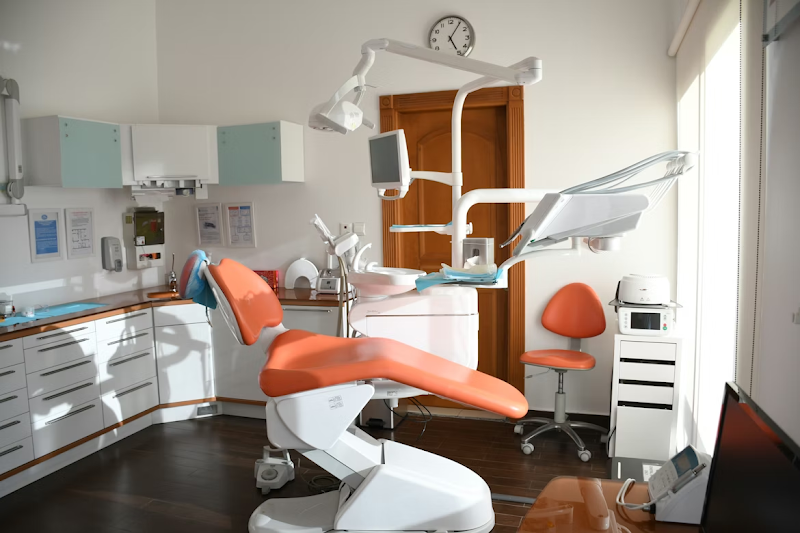
Kid-friendly practices may include colorful decor, child-sized furniture, books, toys, play spaces, aquariums, or themed treatment rooms. These small details can help a dental office feel less clinical and more welcoming.
Technology can make visits easier, too. Digital X-rays are faster than traditional film X-rays, while intraoral cameras can allow children to see their own teeth on a screen. For curious kids, that can turn part of the exam into an interesting learning experience.
Some dental offices also use newer technology, including lasers, for certain procedures. Depending on the treatment, these tools may reduce noise, vibration, or discomfort compared with traditional methods.
Scheduling practices matter as well. Long waits can be especially difficult for young or anxious children, so many pediatric practices try to keep wait times manageable and appointments moving at a child-friendly pace.
Practical Tips for Parents to Prepare Children for Dentist Visits

Parents have a big influence on how children approach dental appointments.
Children often pick up on the emotions and language of the adults around them. Even if you had a terrible dental experience as a child, try not to pass that fear along when talking to your own kids.
The goal isn’t necessarily to eliminate every bit of nervousness. Feeling unsure about a new experience is normal. Instead, help your child know what to expect and feel confident that they can handle it.
Preparing Your Child Before the Appointment
Start talking about dental visits before the day of the appointment.
Books and shows about visiting the dentist can help younger children understand what will happen. You can also play dentist at home by taking turns counting each other’s teeth or letting your child practice opening their mouth for an imaginary exam.
If the dental office offers photos, videos, or a virtual office tour, looking at them beforehand can make the environment feel more familiar.
Timing matters, especially with younger children.
Whenever possible, schedule the appointment during a time when your child is usually well-rested and in a good mood. For many younger kids, that may be in the morning. Try to avoid times when your child is usually hungry, tired, or ready for a nap.
Be honest without giving too much information.
You don’t need to describe every tool or sensation in detail before the appointment. A simple explanation such as, “The dentist is going to count your teeth and make sure they’re healthy,” may be enough for a first visit.
If your child asks whether something will hurt, avoid automatically saying, “It won’t hurt.” That can unintentionally introduce the idea that there is something to worry about.
Instead, you might explain that something could feel funny or different and that they can always tell the dentist if they need a break.
Supporting Your Child During and After the Visit
Your presence can be comforting, although every child is different.
Some children do best when a parent stays close where they can see them. Others become more cooperative when they interact directly with the dentist or hygienist without a parent answering questions for them.
Follow the dental team’s lead while also letting them know what helps your child feel comfortable.
Positive reinforcement can also make a big difference.
Rather than promising a big reward if your child is “good,” focus on specific things they handled well.
You might say, “You did a great job opening your mouth while the dentist counted your teeth,” or, “I know you were nervous, but you asked for a break when you needed one.”
Specific praise helps children recognize exactly what they did well and gives them confidence for the next appointment.
Afterward, ask what they thought about the visit.
What did they like? Was anything surprising? Was there something they didn’t understand?
These conversations give children a chance to process the experience and help parents address any worries before the next visit.
Key Differences Between Pediatric and General Dentists
Both pediatric dentists and general family dentists may provide dental care for children, but their training and office environments can be different.
Pediatric dentists complete additional training after dental school that focuses specifically on infants, children, adolescents, child development, and behavior management.
That training helps them understand issues that are unique to growing children.
For example, pediatric dentists monitor how baby teeth fall out and permanent teeth come in, evaluate how childhood habits may affect dental development, and recognize when a child might benefit from an orthodontic evaluation.
They’re also accustomed to treating dental injuries that happen frequently in childhood, including chipped or knocked-out teeth from falls, playground accidents, and sports.
Prevention and education are also a major part of pediatric dental care.
Rather than simply treating problems as they appear, pediatric dental teams often spend time teaching children how to brush, talking about foods and drinks that affect teeth, and helping kids understand why taking care of their teeth matters.
That doesn’t mean every child needs to see a pediatric dentist.
Some children do very well at a family dental practice, especially if the dentist regularly works with kids and your child already feels comfortable there.
Consider your child’s personality and needs when choosing a provider. Some children love the energetic, colorful environment of a pediatric practice. Others may prefer a quieter family dental office.
Location and scheduling matter, too. Preventive dental visits are much easier to keep up with when the office is convenient for your family’s routine.
Before choosing a dentist, ask how the practice works with young children, how they handle dental anxiety, and what happens if a child has difficulty completing an exam or procedure.
Sometimes the best way to know whether a dentist is a good fit is simply to see how they interact with your child.
Preventive Care and Common Dental Procedures for Children
Preventive care is one of the most important parts of children’s dentistry.
Regular cleanings give dental professionals a chance to remove buildup, check for early signs of cavities, and teach children proper brushing and flossing techniques.
Dental hygienists who regularly work with kids are often good at making cleanings interactive and less intimidating. They may use flavored toothpaste, explain what each tool does, or let children participate in small ways during the visit.
Fluoride Treatments
Fluoride treatments can provide additional protection against cavities, especially while children are still learning how to brush thoroughly.
Modern fluoride varnish is usually applied quickly with a small brush, making the process fairly simple even for younger children.
Your child’s dentist can recommend whether fluoride treatment is appropriate based on their age, dental history, and cavity risk.
Dental Sealants
Dental sealants are another common preventive treatment.
Sealants are placed on the chewing surfaces of permanent molars, where deep grooves can trap food and bacteria. They create a protective barrier over those areas and can make the teeth easier to keep clean.
The process is usually quick and doesn’t require drilling or numbing, which can also make sealants a relatively easy dental procedure for children who are still getting comfortable in the dental chair.
Teaching Children Good Oral Hygiene Habits
Dental education should change as children grow.
Younger children often learn best through songs, games, visual demonstrations, and practicing alongside a parent.
Older children can begin to understand more about why cavities form, how plaque affects their teeth, and why sugary or acidic foods and drinks should be limited.
Parents will still need to help or supervise brushing for several years, even after children insist they can do it themselves.
Over time, the goal is to help children gradually take responsibility for their own oral health.
Helping Children Build a Positive Relationship With Dental Care
Not every child is going to love going to the dentist, and that’s okay.
The goal is to make dental care feel safe, familiar, and manageable.
Choosing a dentist who understands children, preparing your child ahead of time, and keeping your own language about dental visits positive can make the experience easier for everyone.
Some children become comfortable right away. Others need several visits before they feel completely at ease.
Give your child time to adjust, celebrate small successes, and communicate with the dental team about what helps your child feel most comfortable.
Those positive experiences can help children develop healthy habits they carry with them long after their baby teeth are gone.