How to Ease Your Child’s Fear of the Dentist
Some of the content in this post was provided by a contributor. We only share resources we think are helpful.
For some kids, going to the dentist is no big deal. For others, the unfamiliar sounds, bright lights, strange tools, and new sensations can make even a routine appointment feel overwhelming.
Dental anxiety can show up at almost any age, and children don’t always tell us directly that they’re scared. A child who suddenly has a stomachache on the morning of an appointment, becomes extra clingy, or asks the same questions over and over may be trying to cope with worry about what is going to happen.
The good news is that parents and dental providers can do a lot to make visits easier. Recognizing your child’s fear, preparing them without giving too much information, and finding a dentist who knows how to work with anxious children can help make dental care feel safer and more manageable.
How Early Experiences Shape Dental Fear in Kids
A child’s feelings about the dentist may begin developing before they ever sit in a dental chair.
Previous experiences with doctors, vaccinations, or other medical appointments can influence how children react to a new healthcare setting. They may also pick up on the emotions of the adults around them.
If you feel anxious about going to the dentist yourself, your child may notice even when you’re trying not to show it. Nervous conversations about an upcoming appointment or repeated reassurances that something “won’t hurt” can sometimes make children wonder whether there is something they should be afraid of.
This doesn’t mean parents need to pretend to love going to the dentist. Instead, try to talk about dental appointments in a calm, matter-of-fact way.
The timing of a child’s first dental experiences can matter, too. When children don’t visit a dentist until they’re already dealing with tooth pain or another problem, their first experience may naturally be more stressful than a routine checkup.
Regular preventive visits give children a chance to become familiar with the dental office when nothing is wrong.
Sensory sensitivities can also play a role.
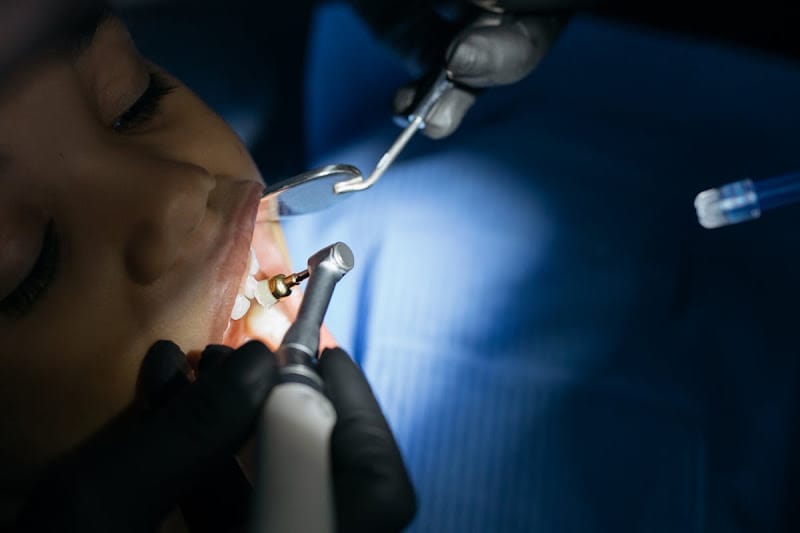
A dental office involves a lot of sensations at once: bright overhead lights, unfamiliar sounds, vibrations, water spraying in the mouth, new tastes, and someone working very close to the child’s face.
For a child who is especially sensitive to sound, touch, taste, or light, even a gentle cleaning may feel overwhelming. What looks like refusal or uncooperative behavior may actually be a child trying to cope with too much sensory input at once.
Repeated stressful experiences can make children begin worrying about appointments before they even arrive. That’s why addressing fear early and helping children build more positive experiences can be so helpful.
How to Recognize Signs of Dental Anxiety in Your Child
Behavioral Signs of Dental Anxiety in Children
Dental fear doesn’t always look like a child saying, “I’m afraid of the dentist.”
Sometimes it appears as a change in behavior before an appointment.
Your child might have trouble sleeping, become more emotional than usual, or suddenly start complaining about not feeling well. Stomachaches and headaches on the morning of an appointment may sometimes be related to anxiety, particularly if they happen repeatedly before stressful situations.
Younger children may become more clingy or have a harder time separating from a parent. They may also have more tantrums or become upset when the dental appointment is mentioned.
Older children may handle fear differently.
They might try to bargain with you, ask you to cancel the appointment, or repeatedly ask exactly what the dentist is going to do. Some children want reassurance over and over even after you’ve already explained what to expect.
Of course, not every stomachache, tantrum, or difficult morning is caused by dental anxiety. Look for patterns and pay attention to whether the behavior seems connected to an upcoming visit.
How Sensory Sensitivities Affect Fear Responses
For children with sensory sensitivities, a dental office can be genuinely uncomfortable.
Bright lights, mechanical sounds, vibrations from dental tools, unfamiliar tastes, and the feeling of instruments inside the mouth can all be difficult to process at the same time.
A child may cover their ears when equipment turns on, have difficulty keeping their mouth open, dislike the taste or texture of fluoride, or become overwhelmed as soon as they enter the treatment room.
Understanding what specifically bothers your child can help you advocate for them.
Ask the dental office ahead of time what accommodations may be available. Depending on the practice and your child’s needs, this might include lowering the lights when possible, using headphones, allowing extra time, introducing tools gradually, or letting the child become familiar with the room before beginning the exam.
Small adjustments can sometimes make a major difference.
What Parents Can Do to Prepare and Calm Children for Dental Visits
Preparation and Communication Strategies
When talking about an upcoming appointment, keep explanations simple and appropriate for your child’s age.
For a young child, something like, “The dentist is going to look at your teeth, count them, and make sure they’re healthy,” may be enough.
You don’t need to explain every possible tool or procedure ahead of time.
Try to avoid phrases such as “It won’t hurt” or “Don’t be scared.” Even though they’re meant to reassure a child, they can introduce the idea that pain or fear is something they should expect.
Instead, focus on what your child will see and do.
You can also ask the dental office whether they offer a brief introductory or familiarization visit. Some practices allow nervous children to see the treatment room, meet the staff, sit in the dental chair, or look at a few of the tools before having any treatment done.
Don’t force your child to interact with everything during that visit. The purpose is simply to make the environment more familiar.
Books and videos about visiting the dentist can help, too. Choose ones that show the experience in a calm and realistic way without making dental procedures seem frightening.
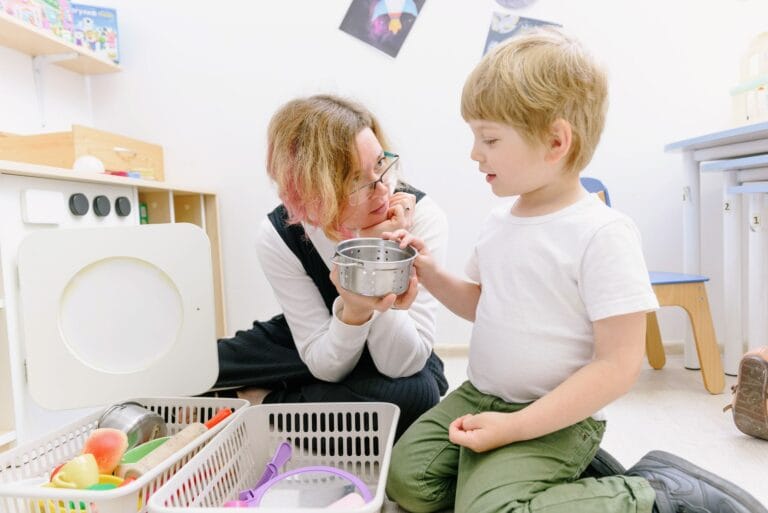
Some children also enjoy playing dentist at home. You can take turns counting stuffed animals’ teeth or let your child pretend to examine your teeth with a toothbrush.
Coping Techniques During Appointments
Distraction can be helpful for children who become nervous in the dental chair.
Many pediatric dental offices have televisions or other entertainment available during treatment. Depending on the office, your child may also be able to listen to music or an audiobook with headphones.
If your child has a favorite comfort item, ask beforehand whether they can bring it into the treatment room.
Simple breathing exercises may also help.
You can teach your child “bubble breathing” by having them take a slow breath in and then breathe out gently as though they’re blowing bubbles. Practice it at home when your child is already calm so the technique feels familiar before they need it.
Giving children a way to communicate with the dentist can also help them feel more in control.
Before treatment starts, ask whether your child can use a simple hand signal to tell the dentist they need a break. Knowing they can pause when they feel overwhelmed can make an unfamiliar procedure feel less intimidating.
It also helps when dental care simply becomes part of the family’s normal healthcare routine. Keeping up with routine dental visits for kids gives children more opportunities to become familiar with the office, the dental team, and what happens during a typical checkup. Over time, that familiarity can make visits feel much less intimidating.
Positive reinforcement can help after an appointment as well.
Instead of telling your child they were “so brave,” try pointing out something specific they did well.
You might say, “You did a great job letting the dentist count your teeth,” or, “I liked how you told the dentist when you needed a break.”
This recognizes your child’s effort without suggesting that being afraid was something they needed to hide.
How Pediatric Dentistry Helps Children Manage Dental Anxiety
Pediatric dentists and their teams regularly work with children who are nervous, hesitant, or completely unwilling to open their mouths at first.
Rather than expecting every child to immediately cooperate with an exam, they can use different approaches depending on the child’s age, personality, previous experiences, and comfort level.
Tell-Show-Do
One of the most common approaches is called “tell-show-do.”
The dental provider first tells the child what they’re going to do using simple language. Then they show the child the tool or demonstrate what will happen. Finally, they perform the exam or procedure.
For example, the dentist might show your child the small dental mirror, let them touch it, and explain that they’ll use it to look at their teeth before putting it inside their mouth.
This gives children a chance to understand what is happening instead of being surprised by unfamiliar tools and sensations.
Gradual Introductions for Very Anxious Children
Some children need more time.
For a child who is extremely afraid of the dentist, trying to accomplish everything during one appointment may make the experience harder.
Instead, the dental team may gradually introduce different parts of the visit.
One appointment might focus on becoming comfortable in the office and sitting in the dental chair. At another visit, the dentist may count the child’s teeth. A cleaning can happen once the child feels ready.
The exact approach will depend on the child and the dental provider, but giving children time to build trust can be especially helpful when previous dental experiences have been difficult.
A Child-Friendly Environment
The environment itself can also help children feel comfortable.
Pediatric dental offices often use child-sized furniture, colorful decor, toys, books, televisions, or other features that make the space feel less intimidating.
Some practices also make changes for children with sensory sensitivities, such as reducing unnecessary noise or adjusting lighting when possible.
Just as important is the dental team’s ability to understand normal child development.
A three-year-old who can’t follow several instructions at once isn’t necessarily being difficult. A seven-year-old who asks a dozen questions may simply need more information before feeling comfortable.
A dental team that regularly works with children is used to adapting its communication style to different ages and personalities.
When a Child Needs Additional Help
For some children, preparation, distraction, and behavioral techniques aren’t enough to get them comfortably through necessary dental treatment.
In those situations, a pediatric dentist may discuss additional options with parents. Depending on the child and the procedure, this may include nitrous oxide or other forms of sedation.
These decisions should always be made with the child’s dental provider based on their individual needs, health history, level of anxiety, and the treatment being performed.
Why Addressing Dental Fear Early Matters
When children are afraid of going to the dentist, avoiding appointments can seem like the easiest solution.
Unfortunately, postponing care can sometimes turn a small dental problem into one that requires more treatment later.
Routine dental appointments allow dentists to look for early signs of decay, monitor how teeth are developing, provide preventive treatments when appropriate, and help children learn how to care for their teeth at home.
They also give anxious children something they need just as much: experience.
A child who visits the dentist regularly has more opportunities to learn that most appointments are predictable and manageable.
That doesn’t mean every visit will be easy.
Some children become comfortable quickly, while others need more time. A child who struggled through one appointment may surprise you by doing much better at the next one.
Try to focus on progress rather than perfection.
If your child opened their mouth for only a few seconds longer than last time, sat in the chair without crying, asked the dentist a question, or used their hand signal instead of becoming overwhelmed, those are all steps forward.
Dental health can affect eating, sleeping, speaking, concentrating at school, and overall comfort, so helping children receive the care they need is important even when anxiety makes appointments challenging.
Helping Your Child Feel More Comfortable at the Dentist
Dental anxiety is real, and children aren’t being difficult simply because they feel nervous about an unfamiliar experience.
Start by figuring out what your child is actually afraid of.
Is it the sound of the tools? Are they worried something will hurt? Do they dislike having someone close to their face? Are bright lights or unfamiliar tastes especially difficult for them?
Once you understand the source of their discomfort, it’s easier to work with the dental team on strategies that may help.
Prepare your child ahead of time without giving them more information than they need. Keep your own language calm, practice simple coping skills at home, and let the dental office know about any fears or sensory sensitivities before the appointment.
Most importantly, give your child time.
The goal doesn’t have to be a perfectly calm dental visit. It can simply be helping your child feel a little safer and more confident each time.
Those small positive experiences can gradually change the way a child thinks about going to the dentist and help make regular dental care a normal part of taking care of their health.