How Your Children Can Help Care for Grandparents at Home
Some of the content in this post was provided by a contributor. We only share resources we think are helpful.
Caring for elderly parents at home is one of the most meaningful — and humbling — things a family can do. It keeps loved ones close. It protects dignity. It creates memories that last for generations.
But caring for elderly parents at home can also feel overwhelming. Many adults juggle careers, parenting, and household responsibilities while trying to provide quality senior care.
One powerful and often overlooked solution is right inside your home. Your children can play an important role in caring for their grandparents.
When done the right way, this shared experience strengthens family bonds, teaches compassion, and gives seniors a deeper sense of purpose and connection.
The Emotional Benefits of Children Helping Care for Grandparents
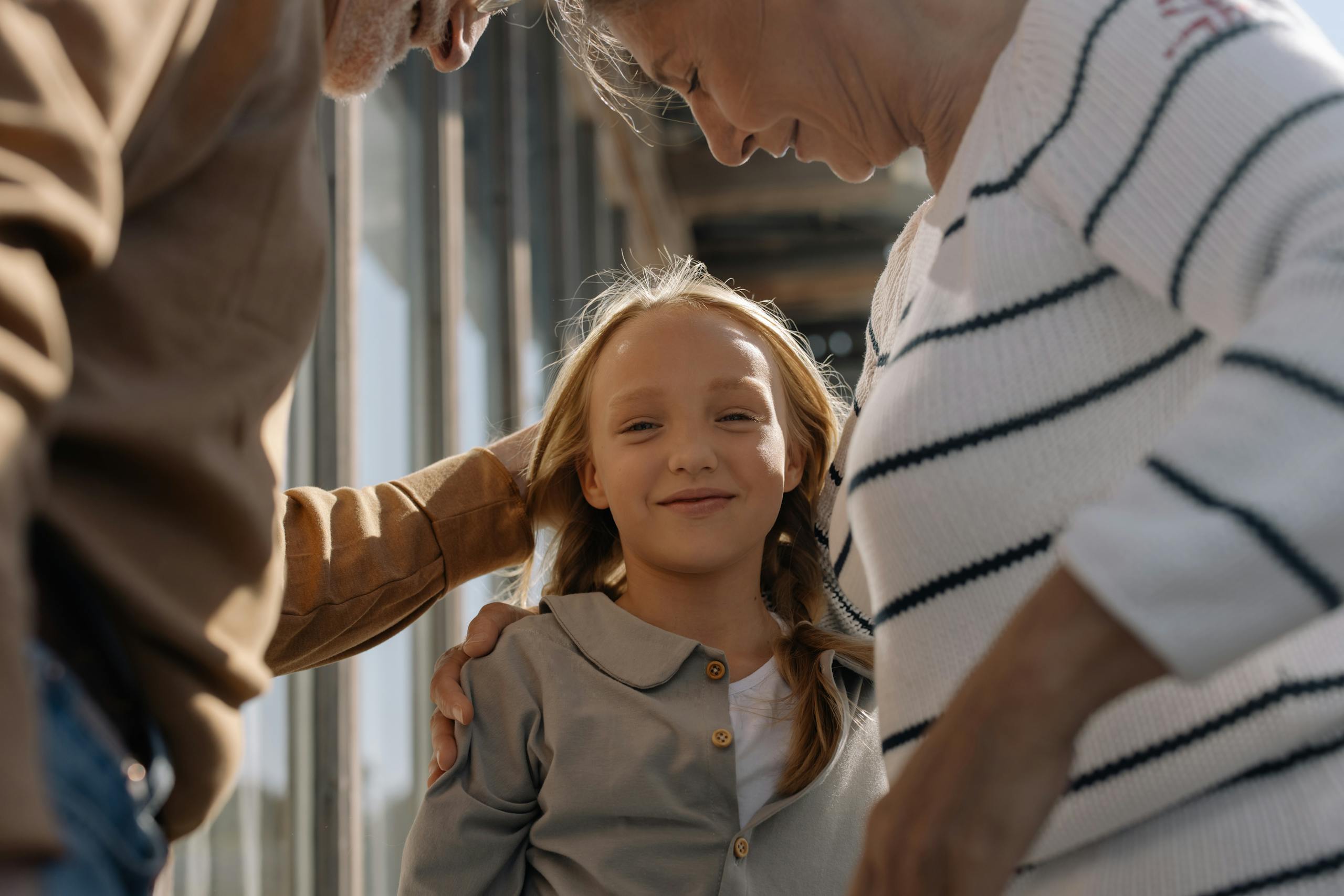
Children and grandparents naturally share a special connection. Grandparents often have more patience and time to share stories. Children bring energy, curiosity, and laughter. When generations spend meaningful time together, both benefit.
For seniors, regular interaction with children can reduce feelings of loneliness and depression. It keeps their minds active. It gives them something to look forward to every day.
For children, participating in grandparent care builds empathy. They learn patience. They gain a deeper understanding of aging and family responsibility.
Involving children in intergenerational family care also helps them see that supporting older family members is a normal and meaningful part of life. It shapes their values in a positive way.
Start With Simple Daily Tasks
You do not need to begin with big responsibilities. Small daily tasks can make a meaningful difference in elderly home care.
Young children can help with simple activities like bringing a glass of water, handing over a blanket, or organizing a stack of magazines. These small actions give them a sense of pride and contribution.
Older children can help with reading mail, setting up video calls, adjusting pillows, or preparing simple snacks. Teens may assist with technology, such as showing grandparents how to use a tablet or smartphone.
For homeschooling families, these everyday moments also become powerful life-skills lessons — teaching responsibility in ways worksheets cannot.
Creating Shared Routines in Multigenerational Households
Routine brings comfort, especially for seniors aging at home. Children can become part of daily or weekly rituals that strengthen connection.
A grandchild might read a short story every evening. They might sit together for afternoon tea. They can watch a favorite show at the same time each week. These shared routines create stability and emotional security.
If your parents enjoy going outside, children can help water plants together or take short walks around the yard. Fresh air and light movement benefit both generations.
Encouraging Conversation and Preserving Family History
Grandparents carry decades of life experience. Children often love hearing stories about “when mom or dad was little.” These conversations are more than entertainment. They preserve family history.
Encourage your child to ask simple, open-ended questions:
- What was school like when you were young?
- What games did you play?
- What was your first job?
Children can write down stories or record them. This keeps seniors mentally engaged while giving children a meaningful project.
For seniors experiencing mild memory challenges, gentle guided questions can help stimulate recall. Keep the tone light and positive. Focus on connection rather than perfect accuracy.
Supporting Emotional Wellbeing for Aging Parents at Home
Aging often brings emotional changes. Seniors may feel frustrated by physical limitations or sadness over losing independence. Children, in their innocence, often provide comfort without even trying.
A hug. A drawing. A handmade card. These gestures carry enormous meaning.
Teach your children patience. Explain that grandma or grandpa may move more slowly or repeat stories. When children understand aging, they respond with kindness rather than confusion.
At the same time, caregiving should never feel heavy for a child. Keep their involvement age-appropriate and positive.
Helping With Light Household Support
As children grow older, they can take on slightly larger roles that still feel natural and safe within senior home care.
A teenager might help prepare dinner once a week. They might vacuum the living room or organize groceries. These tasks indirectly support elderly parents by reducing the overall household workload.
You can also involve children in planning small elderly day trips to nearby parks, family gatherings, or scenic drives. Even a simple ice cream outing can lift a senior’s mood.
Participation builds excitement and strengthens bonds.
Teaching Safety and Healthy Boundaries
Clear boundaries are essential when children help with elder care at home.
Children should never manage medications, lift a grandparent alone, or handle medical equipment.
Explain what is appropriate and what requires adult supervision. If a grandparent uses mobility aids, demonstrate how to walk safely beside them instead of pushing or pulling.
If memory loss is present, prepare your child ahead of time. Repeated questions or confusion are not intentional. Preparation reduces misunderstanding and fear.
Balancing School, Play, and Caregiving Responsibilities
Children still need to be children. School, friendships, sports, and hobbies must remain priorities.
Instead of assigning rigid caregiving tasks, encourage flexible involvement. Some days they may engage more. Other days they may focus on academics or activities.
Open communication is key. Ask how they feel. Listen to their concerns. Adjust as needed.
When Professional Elder Care Services Are Needed
There may come a time when family support alone is not enough. As medical needs increase, professional elder care services may become necessary.
Bringing in additional support does not mean failure. It means building a stronger care team.
Professional caregivers can manage medications, personal care, and mobility needs. This allows children to focus on companionship rather than physical responsibilities.
Explain this transition gently. Frame it as adding helpers, not replacing family love.
Building Lifelong Values Through Intergenerational Care
When children participate in caring for elderly grandparents, they learn lessons rarely found in textbooks.
They learn patience when tasks take longer.
They learn compassion when they see physical limitations.
They learn gratitude when they hear stories of resilience.
They also witness shared family responsibility in action — a value that shapes their character for years to come.
Practical Ways to Start Caring for Grandparents Together
You do not need a complicated plan.
Start small.
Invite your child to sit and talk for ten minutes tonight.
Ask them to help prepare a favorite snack tomorrow.
Plan a short walk this weekend.
Look for natural moments rather than forcing structure. Meaningful interactions often happen during ordinary routines.
If your aging parents live with you, create shared spaces that encourage connection. If they live nearby, schedule consistent but relaxed visits.
A Family Effort That Brings Everyone Closer
Caring for grandparents at home is about more than meeting physical needs. It is about preserving dignity, honoring history, and nurturing connection across generations.
When children are invited to participate in age-appropriate ways, caregiving becomes a shared family journey rather than a burden carried alone.
The experience will not be perfect. There will be challenges. But there will also be laughter, storytelling, and deep connection.
And in those everyday moments, everyone grows.