How Your Food Choices Impact the World Around You
Some of the content in this post was provided by a contributor. We only share resources we think are helpful.
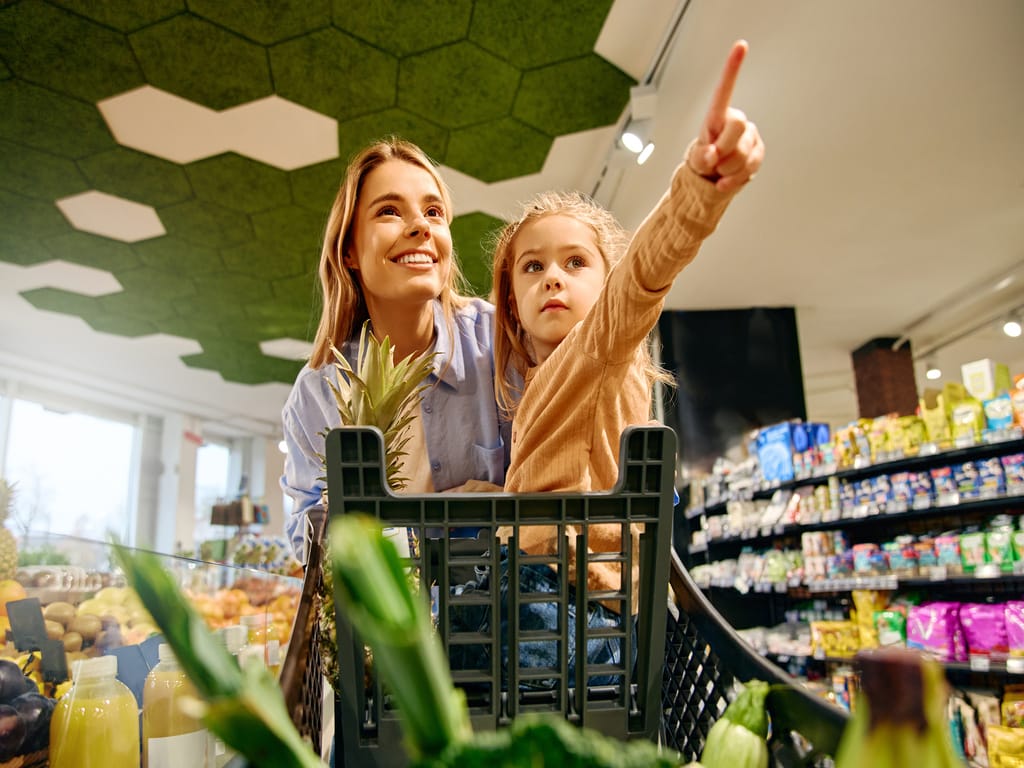
It’s 5 PM on a Tuesday. You’re navigating the grocery aisles with a toddler in the cart and another kid asking for sugary cereal. In moments like these, survival mode often kicks in, and the global impact of that box of crackers is the last thing on your mind.
But every meal we put on the table tells a story. From the water used to grow crops to the fuel burned transporting them, our food choices ripple out far beyond our kitchen tables. For families raising the next generation, understanding this connection offers a powerful opportunity to teach kids about stewardship, health, and responsibility right at home. So let’s go over the basics on how your food choices impact the world around you.
The Environmental Footprint of What’s on Your Plate
The average family meal has a surprisingly large environmental footprint. Industrial agriculture is a significant contributor to greenhouse gas emissions, deforestation, and water usage. For instance, producing beef requires significantly more land and water than growing lentils or beans.
While it’s important to understand things like what regenerative agriculture is and why it matters, you don’t have to overhaul your entire diet overnight. Small swaps still make a difference. As you become more comfortable with these changes, you can increase the number of sustainability-focused choices you make.
Supporting Ethical and Local Food Systems
Where we buy our food matters just as much as what we buy. Supporting local farmers’ markets is a great way to keep money in the local economy and reduce the carbon emissions associated with long-distance shipping. You can also look into fair-trade products, which will help ensure that farmers in other parts of the world are paid a living wage.
Explain to your kids why you choose certain brands or why you visit the farm stand. It teaches them that their dollars are votes for the kind of world they want to live in—one that values hard work and ethical treatment of others.
Healthier Choices for a Healthier Planet
There is a beautiful synergy between what is good for our bodies and what is good for the earth. Whole, unprocessed foods—like fruits, vegetables, and grains—generally require less energy to produce and package than highly processed snacks.
Reducing single-use plastics is another tangible step. Opting for bulk bins, reusable produce bags, or making snacks from scratch reduces the mountain of plastic waste that ends up in landfills and oceans. It’s a lesson in health and ecology wrapped into one.
Teaching Kids to Be Conscious Consumers
The most important part of learning how your food choices impact the world is making sure your kids learn this lesson as well. That’s why you should involve your children in the shopping process. Have them look for “local” labels or identify where a banana was grown on a map.
It’s important to know that there are many benefits to teaching your kids where their food comes from, so when you’re meal prepping, take the time to teach them about food waste. Explain that throwing away food also wastes the water and energy used to grow it. By making these concepts concrete and part of daily life, you empower your children to become thoughtful, conscious consumers who understand their place in the wider world.