Teach Kids First Aid: Hands-On Lessons for Homeschoolers
As an Amazon Associate, I earn from qualifying purchases. This post may contain affiliate links. Read my disclosure policy.
Teaching children first aid skills helps them become confident, capable, and ready to respond calmly in emergencies. Homeschooling is the perfect way to weave these life-saving lessons into your daily routine, turning potential crises into fun, hands-on learning experiences that could one day save lives.
Even children as young as four can begin learning basic first aid, with complexity adjusted for age. Starting early builds confidence, muscle memory, and a sense of responsibility that grows with practice.
Start With Basic Wound Care
Small cuts and scrapes happen often during outdoor adventures. Teach kids to clean minor wounds with soap and water and explain why it prevents infection. Show proper bandaging techniques using child-friendly adhesive strips.
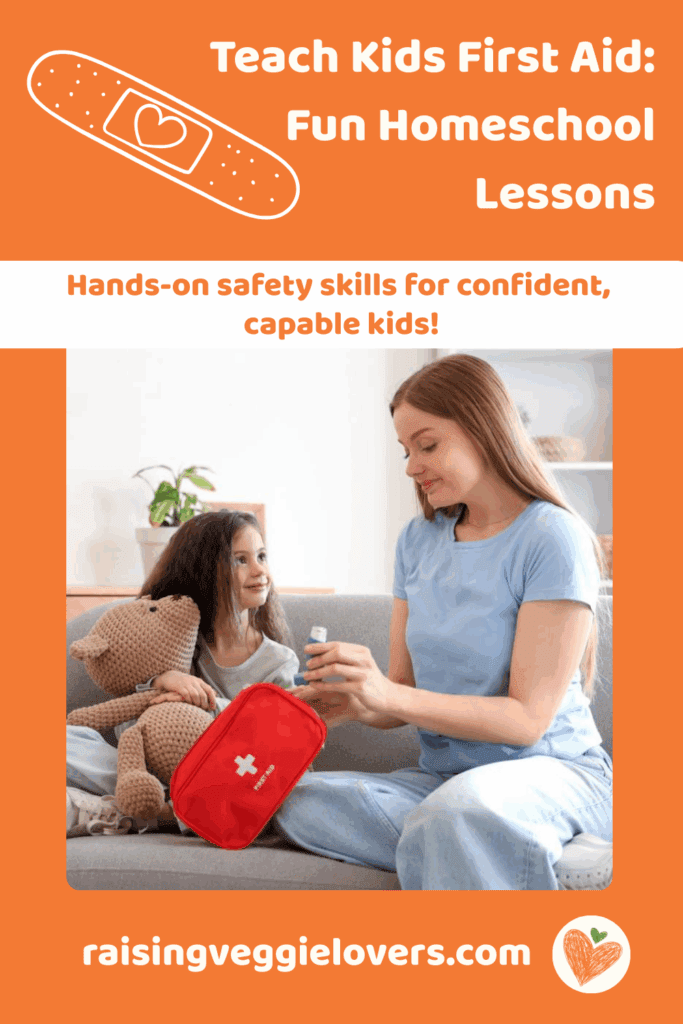
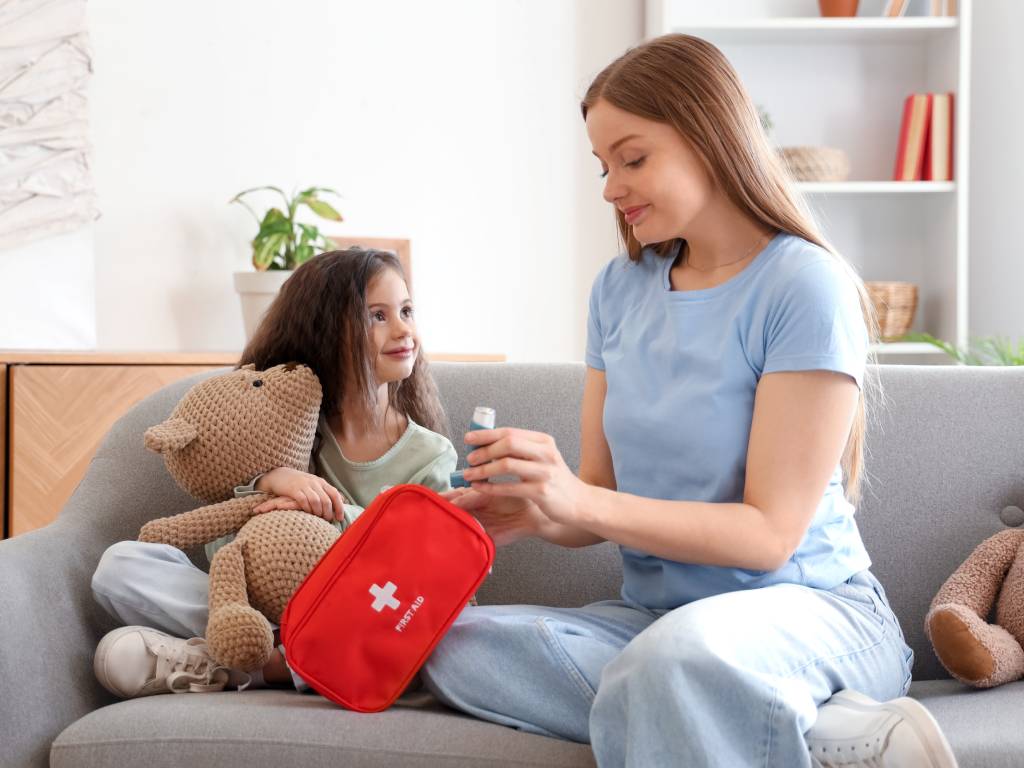
Activity idea: Let children practice on stuffed animals or dolls first. Discuss which injuries they can handle safely and which require an adult. Use simple visual cues, like:
- “Bigger than a quarter?”
- “Bleeding for more than five minutes?”
Master the Art of Stopping Bleeding
Direct pressure is the most effective way to stop bleeding. Teach children to apply firm, steady pressure using a clean cloth or gauze. Practice with washable red markers on arms or paper towels to simulate minor injuries.
Also teach elevation of injured limbs above heart level when possible. Make sure your complete first aid kit is stocked with gauze, medical tape, and other essentials for practice sessions.
Recognize Signs of Serious Emergencies
Kids need to know when to call for help. Teach them to recognize:
- Severe allergic reactions: trouble breathing, swelling, hives
- Head injuries: persistent vomiting, confusion, loss of consciousness
Role-play calling 911 together, helping them clearly state the address and describe the emergency. Make this a fun homeschool exercise!
Handle Burns and Heat Injuries
Teach children to cool burns immediately with room-temperature water for at least 10 minutes. Avoid ice or butter, which can worsen injuries. For burns larger than the child’s palm, always get adult help.
Discuss heat-related injuries like heat exhaustion or heat stroke. Kids should know to:
- Move the affected person to a cool area
- Apply cool, wet cloths to pulse points
- Watch for dizziness, nausea, or rapid heartbeat
Create Family Emergency Action Plans
Every family needs a plan. Post important phone numbers in accessible locations and practice scenarios regularly. Role-playing different situations helps children remember what to do under pressure.
Why This Matters
Teaching first aid empowers kids with knowledge that extends far beyond the homeschool walls. They gain confidence, responsibility, and a sense of calm readiness—skills they can carry through life.
Activity suggestion: Turn lessons into a “First Aid Challenge Day” where kids earn stickers or certificates for mastering different skills.