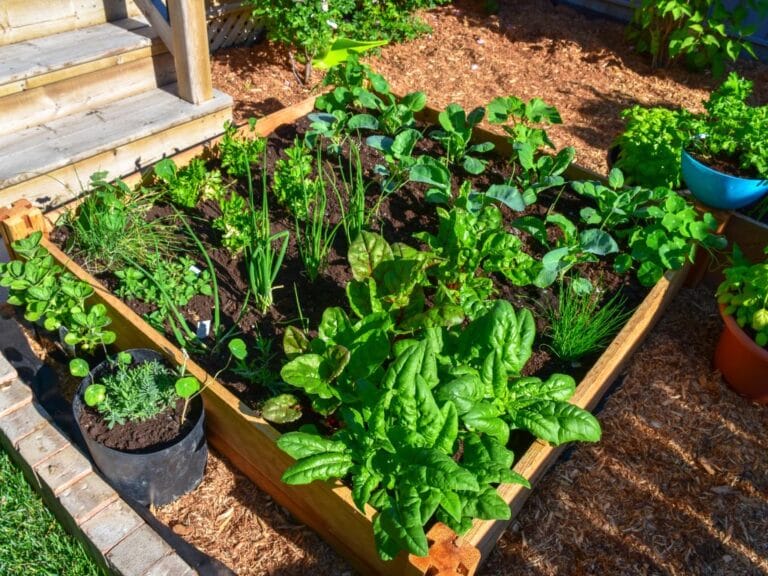
What Farm-to-Table Really Means for Food Quality
Some of the content in this post was provided by a contributor. We only share resources we think are helpful.
Fresh, nourishing food can make a big difference in how kids feel and grow. When children eat meals made with high-quality ingredients, they often have more steady energy, better focus, and stronger overall health. That’s why so many families choose farm-to-table ingredients. But what does farm-to-table really mean for food quality? Let’s dive in.
It Increases Freshness
Farm-to-table food travels a shorter distance from where it grows to where families eat it. That shorter trip matters. Fruits and vegetables maintain more flavor and nutrients when farmers harvest them closer to peak ripeness. Kids notice freshness, too. Crunchy apples, sweet berries, and vibrant greens make healthy eating feel enjoyable instead of forced.
You’ll Know the Source
Parents want food they can trust to give their children. Farm-to-table emphasizes transparency. You know where food comes from, how farmers grow it, and what practices they use. That connection helps families choose eggs from pasture-raised hens, produce from local farms, or honey from responsible beekeepers. Honey, in particular, benefits from these practices because a lot of store-bought honey is often mixed with other products. Traceability in raw honey production proves how careful sourcing protects food quality from start to finish.
It Supports Cleaner Ingredients for Kids
Children thrive on simple, nutrient-rich meals. Farm-to-table often reduces reliance on heavy processing or unnecessary additives. Local growers focus on seasonal foods, which naturally fit into balanced meals. Parents can pack kid-friendly lunches with fresh bread, local cheese, roasted vegetables, or homemade soups. Even picky eaters respond better to food that tastes real and fresh.
It Works for Every Kind of Diet
Farm-to-table fits into almost any lifestyle. Families do not need to follow a special diet to benefit from fresher, more thoughtfully sourced food. Whether you serve meat, follow a vegetarian lifestyle, or focus on plant-based meals, farm-to-table choices can raise the quality of what ends up on your child’s plate.
For omnivore families, farm-to-table may include eggs from pasture-raised hens, dairy from local creameries, or meat from farms that prioritize animal welfare. Vegetarian or vegan households can enjoy seasonal produce and locally grown beans, grains, nuts, and fresh herbs that add flavor and nutrients without heavy processing.
Bringing Farm-to-Table Into Everyday Life
You do not need a farm in your backyard to benefit from natural ingredients. Start small by shopping at farmers markets, joining a CSA box, or choosing brands that highlight sourcing.
When parents focus on freshness, transparency, and simple ingredients, kids gain better nutrition and stronger food habits. Farm-to-table ensures better food quality so kids can grow and thrive, one meal at a time.