
What Parents Should Know About Outdoor Youth Camps: Supervision, Structure, and Safety

Some of the content in this post was provided by a contributor. We only share resources we think are helpful.
Outdoor youth camps have a way of sticking with kids. Long days that blur together. Dirt under fingernails. The quiet pride that comes from figuring something out without a parent stepping in. Many kids come home taller somehow, even if they haven’t grown an inch.
For parents, that experience carries a quieter expectation. Not perfection, but competence. Care. A sense that the place responsible for their child knows what it’s doing once the novelty wears off, and the real work of supervision begins.
Camps vary widely, and the differences aren’t always obvious at first glance. Some are small, familiar operations where everyone knows everyone. Others manage large groups, rotating staff, and tightly packed schedules. What shapes a child’s experience most often lives outside the brochure photos: how supervision works when plans change, how staff communicate, and how safety is handled in ordinary moments, not just emergencies.
Understanding How Outdoor Youth Camps Are Structured
There’s no single model for youth camps, and structure sets the tone for everything that follows. Day camps operate on predictable schedules, with children heading home each afternoon. Overnight camps function more like small communities, where routines, responsibilities, and relationships build over time.
Some programs are tied to schools, churches, or youth organizations. Others focus on outdoor skills, adventure activities, or time outdoors. Structure shows up in the details: how groups are formed, how activities are scheduled, and how much flexibility is built into the day.
Highly structured camps tend to rely on set activity blocks and consistent counselor assignments. Looser programs leave room for wandering, downtime, and spontaneity. Flexibility can be a gift, but it also demands attentiveness. When schedules loosen, supervision has to tighten. Parents don’t need to judge which style is better, but they should understand which one they’re choosing.
Group size plays a role as well. Smaller camps often feel more predictable because fewer people are involved in day-to-day decisions. Larger programs rely on a web of roles, including lead counselors, assistants, and activity specialists who step in at different points throughout the day. Understanding who’s responsible for what, and when, gives parents a clearer picture of how smoothly things run once kids are on the ground.
Supervision at Camp: What It Looks Like in Practice
Supervision is where camps either hold together or quietly unravel. Many programs describe similar ratios and policies. What separates them is how those plans hold up when the day gets messy.
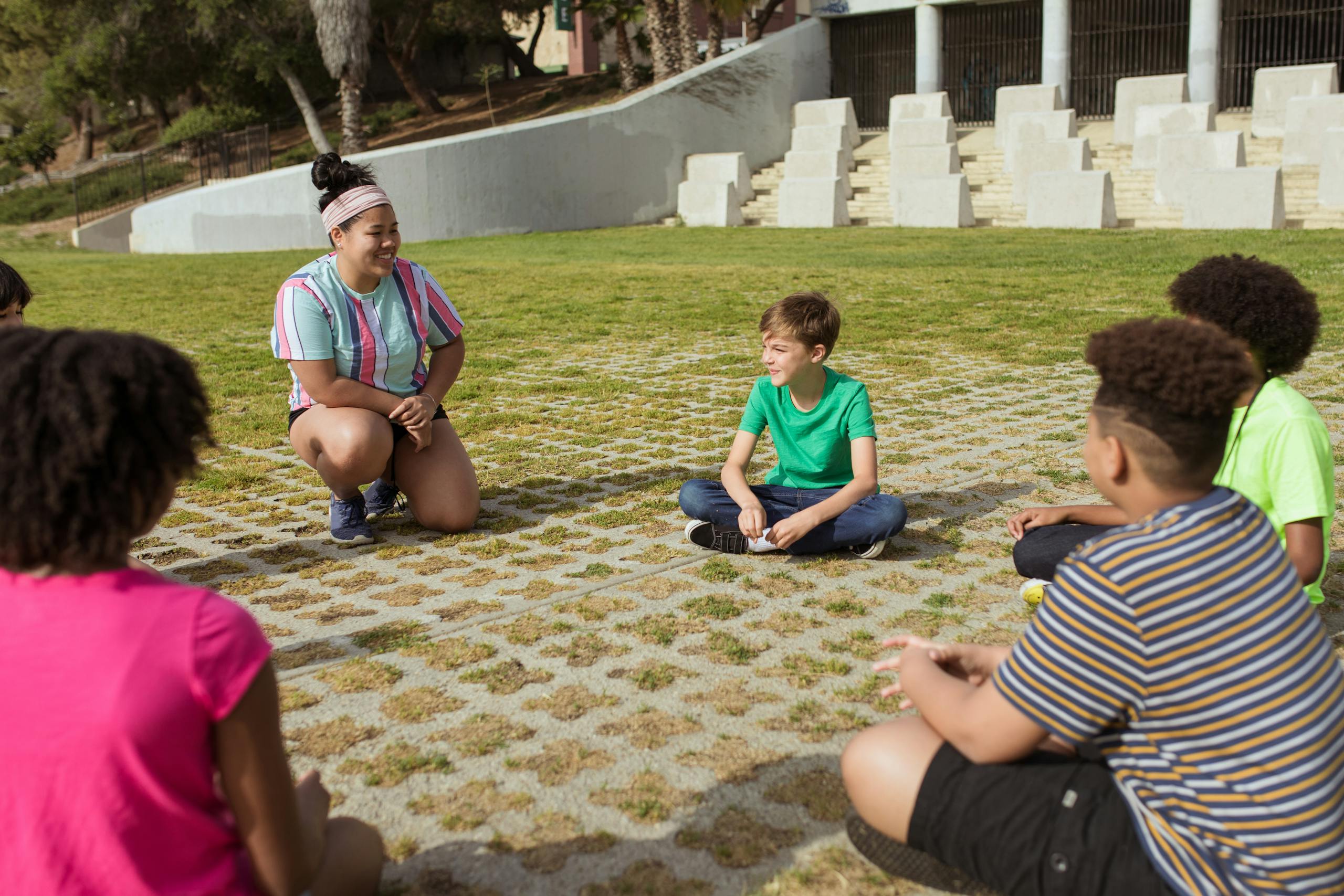
Ratios matter, but consistency matters more. Camps that keep counselors with the same group throughout the day tend to catch problems earlier. They notice when a kid goes quiet, starts acting out, or simply needs a break. Rotating staff can work, but only when expectations are clear and reinforced.
Training fills in the gaps. Good counselors understand group dynamics as much as activity logistics. They know when to step in, when to give space, and how to de-escalate situations before they spiral. When training is rushed or uneven, small cracks form. That’s why discussions of oversight concerns in youth camp environments often return to how supervision actually plays out, not how it’s described in policy documents.
Parents can learn a lot by asking about supervision during the in-between moments. Transitions. Free time. Meals. The end of the day, when everyone’s tired, and patience runs thin. Strong systems don’t draw attention to themselves. They simply keep things steady.
Safety Beyond the Basics: Policies, Preparation, and Communication
Safety at camp isn’t defined by equipment or signage. It lives in habits, preparation, and communication.
Clear policies set expectations long before anything goes wrong. How medical needs are handled. What happens when a child feels overwhelmed? How incidents are documented and shared internally. Camps that take this seriously don’t dodge these conversations. They explain them.
Preparation shows up when plans change. Weather shifts. Someone gets hurt. Staff who know procedures well respond calmly, not because they’re improvising, but because they’ve practiced. Even small details, like how counselors stay in contact across large areas, reveal how much thought has gone into daily operations.
Communication with families ties it together. Camps that explain decisions, respond promptly, and keep parents informed tend to build trust early. When safety is a shared responsibility rather than a closed system, children benefit from an environment that feels stable and grounded.
Understanding Transparency and Accountability
Most outdoor youth camps operate with thoughtful supervision and clear systems in place. But parents are right to ask how accountability works if policies fail or serious concerns arise.
Oversight isn’t just about ratios and schedules. It also includes knowing what steps exist beyond internal reviews if something more serious occurs. For families who want to better understand how misconduct cases are handled legally and what outside advocacy may involve, reviewing reliable information about camp sexual abuse legal resources can provide helpful clarity.
Approaching camp decisions with awareness doesn’t mean assuming the worst. It simply means understanding the full picture — supervision, communication, and accountability — before trusting someone else with your child’s care.
What Parents Can Look for Before Choosing a Camp
Most camps look good online. Smiling kids. Canoes. A campfire photo that could belong to almost anywhere. The real differences show up in quieter moments.
Start by asking questions that demand specifics. How many campers does one counselor supervise during activities? Who’s responsible during transitions? Who makes decisions when something goes sideways? Clear answers usually reflect clear systems.
Policies matter too. Supervision standards, staff training, emergency response, and communication expectations shouldn’t feel vague. Accredited camps are expected to meet defined benchmarks for staffing and safety practices, which is why how ACA-accredited camps set the standard often comes up when comparing programs that run smoothly with those that rely on optimism.
Pay attention to how the camp handles your questions before enrollment. If communication feels thoughtful and direct now, it usually carries through once camp begins.
How Camp Experiences Shape Kids’ Outdoor Skills and Confidence
Camp leaves its mark in ways that don’t always announce themselves. Kids learn to solve problems because they have to. They learn patience because they’re part of a group. Confidence grows through repetition, not instruction.
Shared routines matter. Cooking together. Cleaning up. Showing up when expected. These small responsibilities build awareness of others and a sense of belonging. They stick because they’re lived experiences, not lessons delivered from the front of a room.
The outdoor setting adds space to try, fail, and try again. Camps that balance freedom with guidance give kids room to stretch without feeling untethered. That balance often becomes the part kids remember most.
Using Camp Reviews and Resources to Make Informed Choices
Official descriptions only tell part of the story. Reviews and firsthand accounts add texture. They reveal how busy a place feels, how organized activities are, and whether staff presence feels steady or scattered.
Look for patterns rather than individual opinions. Repeated praise for attentive staff usually means something. Repeated mentions of confusion or poor communication deserve attention. Recent feedback matters, too, as camps change with evolving leadership and staffing.
Directories and photo galleries help parents compare options side by side. They offer a clearer sense of scale, setting, and atmosphere. Combining that with direct conversations gives families a fuller picture.
Choosing Camps with Confidence
Strong outdoor youth camps strike a careful balance. Enough structure to keep things steady. Enough freedom to let kids grow into themselves. When supervision is clear, and communication stays open, kids are free to focus on friendships, challenges, and discovery.
The camps that leave the strongest impression tend to send kids home with skills that show up later: comfort in unfamiliar places, patience with group dynamics, and the ability to adapt when plans change, all part of what defines meaningful outdoor summer camp experiences for kids.
For parents, understanding how a camp operates behind the scenes turns hope into confidence. The adventure matters, but so does what holds it together.