
How to Pack Nutritious Lunches That Your Kids Will Ask For Again
Some of the content in this post was provided by a contributor. We only share resources we think are helpful.
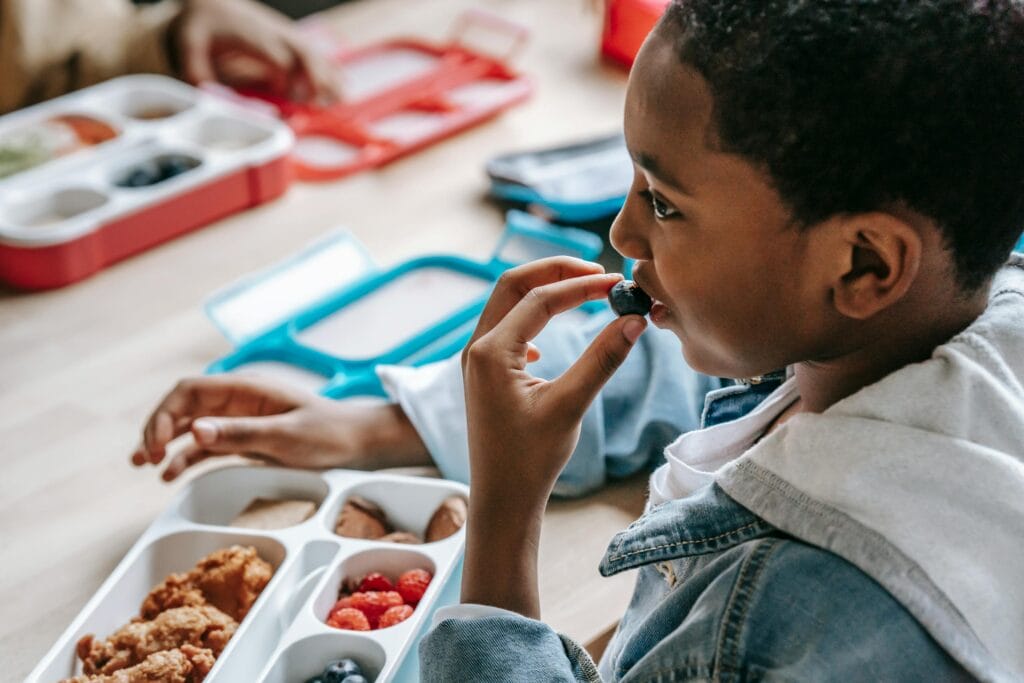
Packing a nutritious lunch your kids actually want to eat can feel challenging—especially when you’re busy and kids are surrounded by friends, distractions, and a wide variety of other foods. For many children, lunchtime is their main social event of the day, and the food in their lunchbox can feel secondary to the conversation and fun happening around them.
If your kids are coming home with a half-eaten (or untouched) lunchbox, you’re not alone. Developing palates and a natural desire for independence can turn a packed lunch into a daily battle of wills.
Luckily, learning how to pack a healthy lunch for kids becomes much more manageable with a few simple strategies. A balanced lunch supports your child’s energy, focus, and overall development throughout the day—and helps build healthy eating habits that last. When you combine nutrition with a bit of creativity and kid involvement, lunchtime can turn into something your kids actually look forward to.
Make Lunch a Rainbow
You can make any lunch more exciting with a few simple tricks. Visual elements like color, shape, and presentation influence how you evaluate food before tasting, especially for kids who often decide what looks “good” before taking a bite.
Color is one of the most powerful tools. Kids often associate colors with flavors—like red with sweetness or green with freshness. These associations come from experience and can shape what they’re willing to try.
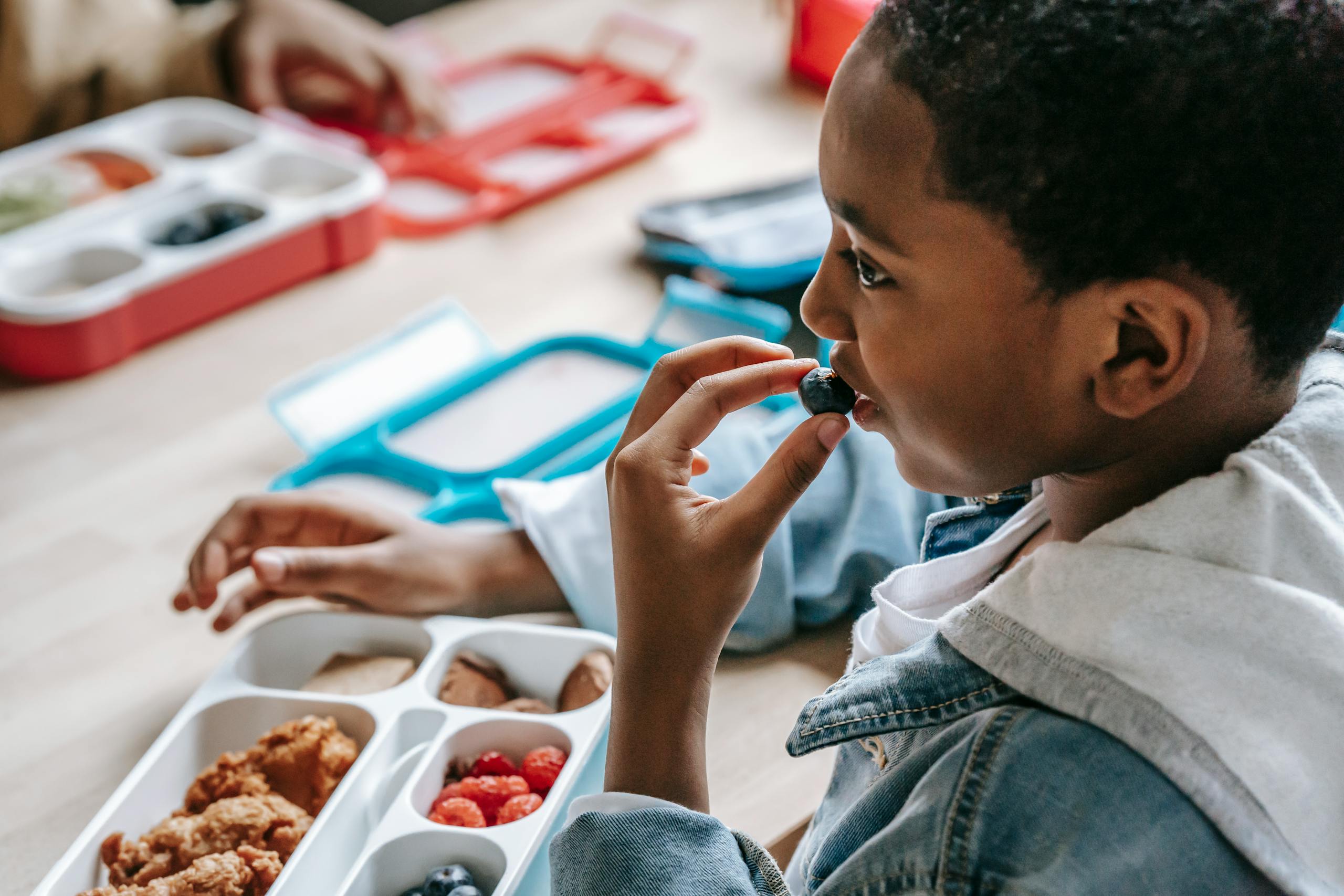
Try including three to five different colors from fruits and vegetables to create visual appeal. For example, pair red strawberries, orange carrot sticks, green snap peas, and purple grapes. Arranging food in colorful cups or on small skewers can turn a simple lunch into something fun and inviting.
Fun idea: Challenge your kids to “eat the rainbow” and see how many colors they can include each day.
Let Kids Help Build Their Lunch
Kids are much more likely to eat what they help choose or prepare.
Try offering 2–3 options in each category:
- Fruit
- Vegetables
- Protein
- Grain
Let them mix and match to build their own lunchbox. This gives them a sense of independence while still keeping things balanced and nutritious.
You can even prep ingredients ahead of time—like chopped veggies, cooked grains, or portioned snacks—so assembling lunch becomes quick and stress-free.
Create a Simple Meal-Prep Routine
Kids are more likely to eat healthy lunches when meals feel familiar, varied, and easy to enjoy. Building meal-prep skills to avoid the drive-thru can make a big difference for busy families.
Rotating a few go-to options allows you to combine leftovers with fresh ingredients and save time each day. You can also recreate your child’s favorite foods with simple, homemade versions that offer better nutritional value.
Balanced lunches that include carbohydrates, healthy fats, and protein help support steady energy and focus during the school day. Preparing ingredients in advance—like roasted vegetables, pasta salad, or wraps—can make daily packing faster and more convenient.
Adding small touches, such as dips or bite-sized portions, can make nutritious foods more appealing and enjoyable.
Power Up With Protein
Protein is essential for your child’s growth, development, and overall health. It helps build and repair muscles and supports the systems that keep the body running smoothly.
Easy vegetarian protein ideas for lunchboxes:
- Hummus with veggies or pita
- Cheese cubes or slices
- Greek yogurt
- Hard-boiled eggs
- Roasted chickpeas
- Nut or seed butters
- Trail mix with nuts and seeds
Pecans are also a great option—they’re rich in healthy fats, fiber, and antioxidants, and provide a steady energy boost for active kids.
Choose Complex Carbs for All-Day Energy
Your child’s brain needs a steady supply of energy to stay focused, learn, and play. Complex carbohydrates—found in foods like whole grains, legumes, fruits, and vegetables—release energy slowly.
Try a simple whole grain wrap with hummus and roasted vegetables for an easy, balanced lunch. You can also pack options like:
- Whole grain pasta salad
- Brown rice with veggies
- Quinoa bowls
- Whole grain crackers
Pair these with fruits and vegetables like apple slices, carrot sticks, berries, or a small spinach salad for added fiber and nutrients.
Include Healthy Fats for Brainpower
Healthy fats play an important role in brain development and overall health.
Easy ways to include them:
- Avocado slices or guacamole
- Sunflower seed butter sandwiches
- Cheese
- Nuts and seeds
- Chia seeds mixed into yogurt
These foods help keep kids full longer and support focus throughout the day.
Hydrate the Healthy Way
Water should always be the first choice for hydration. Sending a fun, reusable water bottle can encourage kids to drink more throughout the day.
Plain milk is another great option, providing protein, calcium, and vitamin D. While fruit juice contains vitamins, it can also be high in sugar—so it’s best kept as an occasional treat.
Packing a Healthy Lunch for Kids Without the Stress
Packing a healthy lunch for kids can be simple, realistic, and even fun. With a little planning, balanced choices, and some kid involvement, you can create meals your children will enjoy and actually eat.
Over time, these small habits help build a positive relationship with food and encourage kids to try new fruits and vegetables. You’re not just packing lunch—you’re helping shape lifelong healthy habits.
With a little prep and a lot of creativity, you can pack nutritious lunches your kids will genuinely ask for again.