


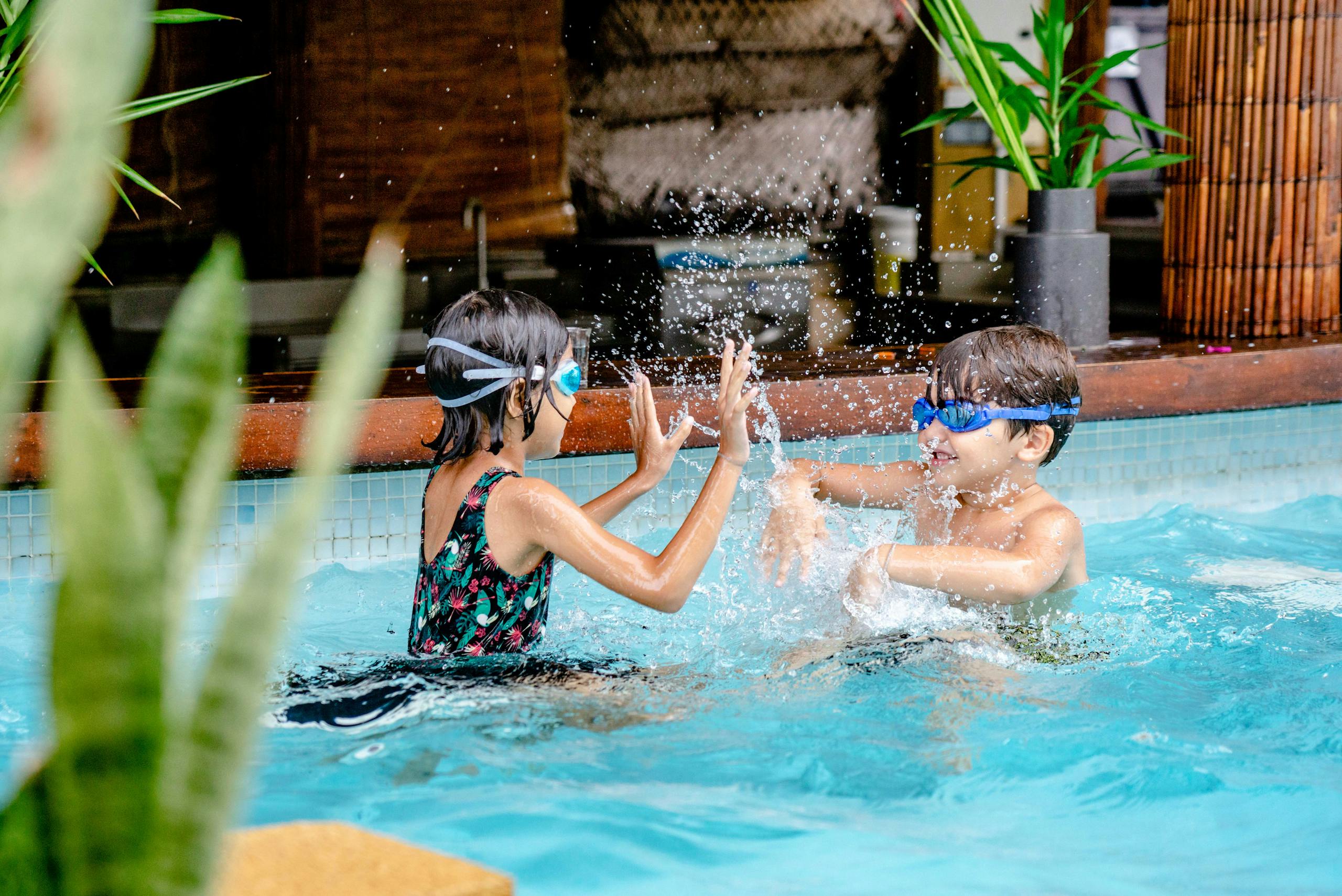
4 Water Rules Every Kid Needs to Learn Before Summer
Some of the content in this post was provided by a contributor. We only share resources we think are helpful.
Kids love water. All kinds of water.
They’re naturally drawn to it, and you can just see their eyes light up when they get to play in it. For you as a parent, that can cause some anxiety because water can be dangerous, and drowning doesn’t always look like drowning. It can happen fast and quietly, and you know that.
It’s one thing to know how to swim and another to know how to think around water. If your child can swim, that’s a huge plus, but it doesn’t guarantee safety. And you can’t watch them every second, so teaching smart water habits matters too.
Keep reading for some very clear, effective rules your kids should learn before summer rolls around.
4 Simple Rules
Since it’s still early spring, some of you may already be thinking about installing a pool for summer, and that’s exciting. Your kids are going to love that.
But part of safety starts with proper installation, so don’t focus on the fun stuff alone.
Always make sure you work with reputable professionals because there’s a lot that goes into installing a pool, and your climate is one of the most important considerations.
For example, let’s say you’re in Delaware and looking into pool companies in Wilmington, DE. How do you know which ones really know what they’re doing? A qualified professional should tell you that, aside from pretty tiles and fun shapes, your pool needs a heating system and proper winterization.
Winters there can get pretty chilly, and you don’t want burst pipes. They should also tell you that drainage is extremely important because clay-heavy ground can hold water and make your pool less stable.
So before making any full-fledged commitment, it’s important to do your due diligence and make sure the company you choose understands all the ins and outs of the job. That’s extremely important.
Now, let’s get into what you need to teach your kids before they can enjoy their new pool.
Always Ask First
Telling your kids to ask for permission first has nothing to do with control and everything to do with safety. You want to make sure you can keep an eye on them before they even get to the edge of the water, let alone get in, because you can spot risks they can’t.
A child might not notice a slippery dock or a sudden drop-off, so asking for permission needs to become almost automatic.
You can even practice this. When you get somewhere with water, ask, “What do you do before you go near the water?” If they don’t have to think before answering, your job is done.
Calm Water Can Be Deceiving
Water can look calm and still be dangerous. Don’t trust appearances.
A child may look at the ocean and be amazed by how beautiful it is. But even a calm, peaceful ocean can hide rip currents that could pull someone out without warning, leaving very little time to react. Teach your child never to jump into the ocean without stopping to think first and making sure the water is safe.
Also, no running starts.
Don’t make assumptions about water you don’t know. It’s one of the most dangerous things you can do.
Know Your Limits
Kids do all sorts of silly things to impress their friends, and you can laugh off most of it.
But when impressing friends has anything to do with water, it can become dangerous. Your child might try to swim farther than they should or jump from a place that’s way too high, and once they realize they’re in over their head, panic can set in fast.
Pay Attention
Water is fun, but when kids are having a great time, they sometimes forget to look around.
They may chase a ball without checking where they’re going or run to the diving board without realizing someone is below it.
Teach them to stay focused around water. That means being aware of where they are and what’s happening around them, so they don’t jump before making sure it’s safe or run on wet concrete.
Conclusion
The word “rules” can sound like you’re trying to ruin the fun, but that’s not the point.
It’s about teaching your kids how to be safe and responsible in situations that can change in an instant.
You can’t protect them from everything, but you can — and should — help them understand the basics of how to behave around water.