


How A Thoughtfully Designed Kitchen Inspires More Home Cooking And Family Connection
Some of the content in this post was provided by a contributor. We only share resources we think are helpful.
The kitchen has long been considered the heart of the home. While trends in home design may come and go, the kitchen remains a central gathering place where meals are prepared, conversations unfold, and memories are created. Beyond its practical purpose, a thoughtfully designed kitchen can influence how often families cook together, encourage healthier eating habits, and create opportunities for creativity and connection.
In today’s busy world, where schedules often compete with quality family time, designing a welcoming kitchen can make a meaningful difference. When a space feels comfortable, functional, and inviting, people naturally want to spend more time there. As a result, home cooking becomes more enjoyable, family interactions increase, and everyday routines feel less rushed.
Why Kitchen Design Influences Daily Habits
Many homeowners focus on kitchen design from an aesthetic perspective, considering colors, finishes, and appliances. While visual appeal certainly matters, thoughtful design also affects behavior.
A cluttered or poorly organized kitchen can make meal preparation feel like a chore. Limited workspace, inadequate lighting, or inconvenient layouts often discourage people from cooking at home. In contrast, a well-designed kitchen removes obstacles and makes cooking feel easier and more rewarding.
When ingredients are accessible, workspaces are efficient, and the environment feels welcoming, families are more likely to prepare meals together. Small design improvements can lead to significant changes in daily habits, helping people spend less time managing their kitchens and more time enjoying them.
Creating A Space That Encourages Home Cooking
Home-cooked meals offer numerous benefits, from healthier ingredient choices to greater control over portion sizes. However, maintaining a regular cooking routine becomes easier when the kitchen supports the process.
An effective kitchen layout helps streamline meal preparation. Whether it involves organizing frequently used tools within easy reach or ensuring enough counter space for food preparation, thoughtful planning reduces frustration and increases efficiency.
Good lighting also plays an important role. Natural light can make a kitchen feel more inviting during the day, while layered lighting solutions ensure visibility for cooking tasks in the evening. Bright, comfortable spaces tend to feel more energizing and encourage greater participation from family members.
Storage solutions further contribute to a functional environment. Organized cabinets, pantry systems, and designated spaces for cooking essentials help reduce clutter and simplify meal preparation. When everything has its place, cooking becomes less stressful and more enjoyable.
The Connection Between Kitchen Design And Family Time
One of the most valuable aspects of a thoughtfully designed kitchen is its ability to bring people together. Open-concept layouts have become increasingly popular because they allow family members to interact while performing different activities. Parents can prepare meals while helping children with homework, and conversations can continue naturally throughout the space.
Kitchen islands often serve as informal gathering spots where family members can sit, snack, talk, or participate in meal preparation. These shared experiences strengthen relationships and create opportunities for meaningful interaction that might otherwise be lost in busy schedules.
Cooking together also teaches valuable life skills. Children can learn basic food preparation, nutrition, and responsibility while spending quality time with parents. Even simple activities like washing vegetables or measuring ingredients can become opportunities for learning and connection.
When the kitchen feels welcoming, family members are more likely to gather there naturally rather than retreat to separate rooms and screens.
Designing For Comfort And Warmth
Creating a welcoming kitchen involves more than functionality alone. The atmosphere of the space significantly influences how people feel when they enter it. Warm colors, natural materials, and thoughtful decorative touches can make a kitchen feel more inviting. Elements such as wood accents, plants, and personalized décor add character while creating a sense of comfort.
Comfortable seating encourages people to linger longer. Whether it’s bar stools at an island or a cozy breakfast nook, seating transforms the kitchen from a workspace into a social environment. Textures also contribute to a welcoming atmosphere. Combining smooth surfaces with natural materials creates visual interest while helping the space feel approachable rather than sterile.
Thoughtful design choices that balance beauty and practicality can turn an ordinary kitchen into a favorite gathering place for the entire family.
Supporting Creativity Through Design
Kitchens are often associated with recipes and meal preparation, but they can also serve as creative spaces. Many families use their kitchens for baking projects, holiday traditions, arts and crafts, gardening, and educational activities. A well-designed kitchen provides the flexibility needed to support these activities.
Large countertops can double as crafting stations or project spaces. Good lighting helps children work on creative tasks, while organized storage keeps supplies accessible without creating clutter.
Families who grow vegetables or herbs often find that the kitchen becomes an extension of their gardening efforts. Harvesting fresh produce and transforming it into meals can inspire creativity while helping children develop a deeper appreciation for food and nature.
The more versatile a kitchen becomes, the more opportunities it creates for shared experiences and creative exploration.
The Importance Of A Bright And Airy Environment
A bright kitchen naturally feels more inviting and uplifting. Light colors, reflective surfaces, and thoughtful design elements help create a sense of openness that encourages people to spend time in the space.
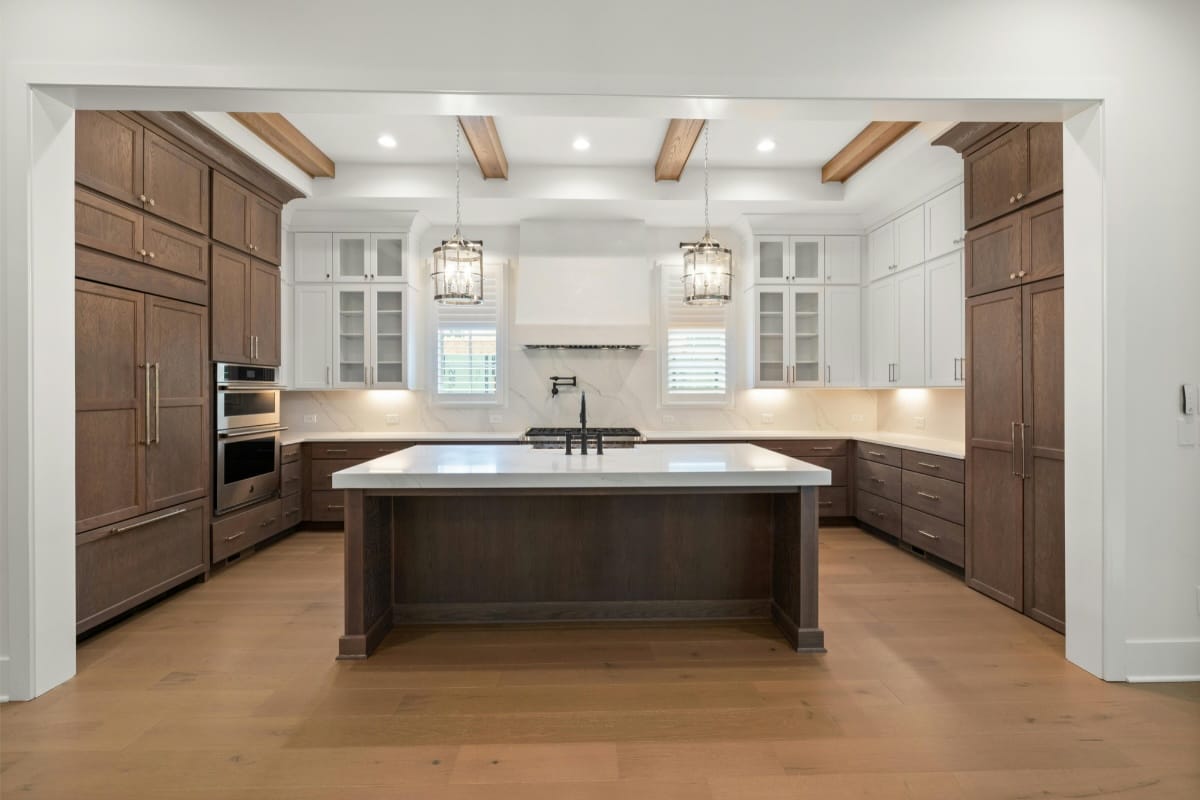
White finishes remain popular because they create a clean, timeless appearance while enhancing natural light. Homeowners often incorporate features such as white cabinetry, countertops, or thoughtfully selected fixtures to achieve a bright and cohesive look. A white kitchen hood from CopperSmith can complement this design approach while maintaining a clean, timeless aesthetic.
These elements can contribute to a welcoming atmosphere without overwhelming the overall design.
The goal is not simply to create a beautiful kitchen but to build an environment where people genuinely enjoy gathering, cooking, and spending time together.
Encouraging Healthier Eating Habits
The design of a kitchen can also influence nutritional choices. When healthy ingredients are visible and easy to access, families are more likely to incorporate them into daily meals. Well-organized refrigerators, fruit displays, and pantry systems can subtly encourage healthier decisions.
A pleasant cooking environment also increases the likelihood of preparing meals from scratch. When cooking feels enjoyable rather than burdensome, families may choose homemade options more often instead of relying on takeout or processed foods.
Meal preparation can become a positive routine rather than an obligation. Over time, these small shifts can contribute to healthier eating patterns and improved overall well-being.
Building Lasting Memories In The Kitchen
Many of our strongest family memories are connected to food and shared experiences. Holiday baking sessions, family dinners, and weekend cooking projects often become traditions that children remember long into adulthood.
A thoughtfully designed kitchen provides the setting for these moments. It creates a space where conversations happen naturally, skills are passed from one generation to the next, and everyday routines become meaningful experiences.
While appliances, layouts, and finishes contribute to functionality, the true value of a kitchen lies in how it supports the people who use it. A welcoming environment encourages families to slow down, spend time together, and enjoy the simple pleasures of home-cooked meals and shared activities.
Conclusion
A thoughtfully designed kitchen is about much more than aesthetics. It serves as a foundation for healthier habits, stronger family relationships, and greater creativity. When a kitchen feels inviting, organized, and comfortable, it naturally encourages people to cook more often, gather together, and participate in meaningful activities.
By focusing on functionality, warmth, and thoughtful design, homeowners can create a kitchen that supports everyday living while fostering the connections that make a house feel like a home. In the process, the kitchen becomes more than a room; it becomes a place where memories are made and family bonds grow stronger.