

Getting Toddlers Interested in Healthy Vegetables
Some of the content in this post was provided by a contributor. We only share resources we think are helpful.
Getting toddlers excited about plant-based foods often feels like a daily puzzle for parents. Mealtime resistance leaves families searching for lighthearted ways to make greens appealing. Introducing fresh produce through creative kitchen activities builds natural curiosity and shifts home dining dynamics. Simple habits transform raw and cooked plants into approachable choices for growing children.
Bringing Toddlers Into the Kitchen with Carrier Wraps
Inviting little helpers into meal preparation creates early interest in raw ingredients. Wearing your child in a comfortable toddler sling carrier keeps your hands completely free to chop squash as your toddler stays safe. Cozy closeness allows curious toddlers to smell fresh herbs and see colorful bell peppers before food lands on their plates.
Hands-free carrying turns simple meal preparation into a gentle sensory experience for young children. Toddlers love watching parents slice crisp zucchini or rinse leafy greens from a comfortable chest position. Seeing parents handle fresh produce builds confidence and trust before tasting ever begins.
Understanding Selective Eating Behaviors
Selective eating often causes parental stress, but knowing child development science changes perspective. Research shows that food fussiness stems largely from genetic traits from toddlerhood through adolescence. Recognizing this inherited tendency helps parents remain calm when kids push away new dishes.
Patience plays a giant role when presenting unfamiliar textures to cautious eaters. Reoffering healthy choices without pressure helps kids feel safe around colorful plant foods. Consistent routines create a calm dining environment where toddlers feel comfortable exploring new tastes.
Serving Whole Foods with Simple Meal Routines
Fancy recipes are unnecessary when introducing plant foods to little eaters. Updated dietary guidelines highlight that simple, consistent meals made from whole foods are key for young children. Serving straightforward dishes helps toddlers recognize authentic food flavors without overwhelm.
Repeated exposure remains a cornerstone of establishing healthy eating habits. Medical evidence shows children need up to 10 tries to accept a new food and another 10 tries before deciding they like it. Offering small bites alongside familiar favorites grants young minds time to build taste familiarity.
Simple presentation ideas help make dinner plates more inviting for selective eaters:
- Cut broccoli stems and bell peppers into bite-sized playful shapes.
- Offer mild yogurt dips alongside raw cucumber sticks for dunking.
- Let young kids pick out colorful produce items during grocery visits.
- Serve small portions on divided plates to keep colors distinct.
Making Veggie Exploration Playful
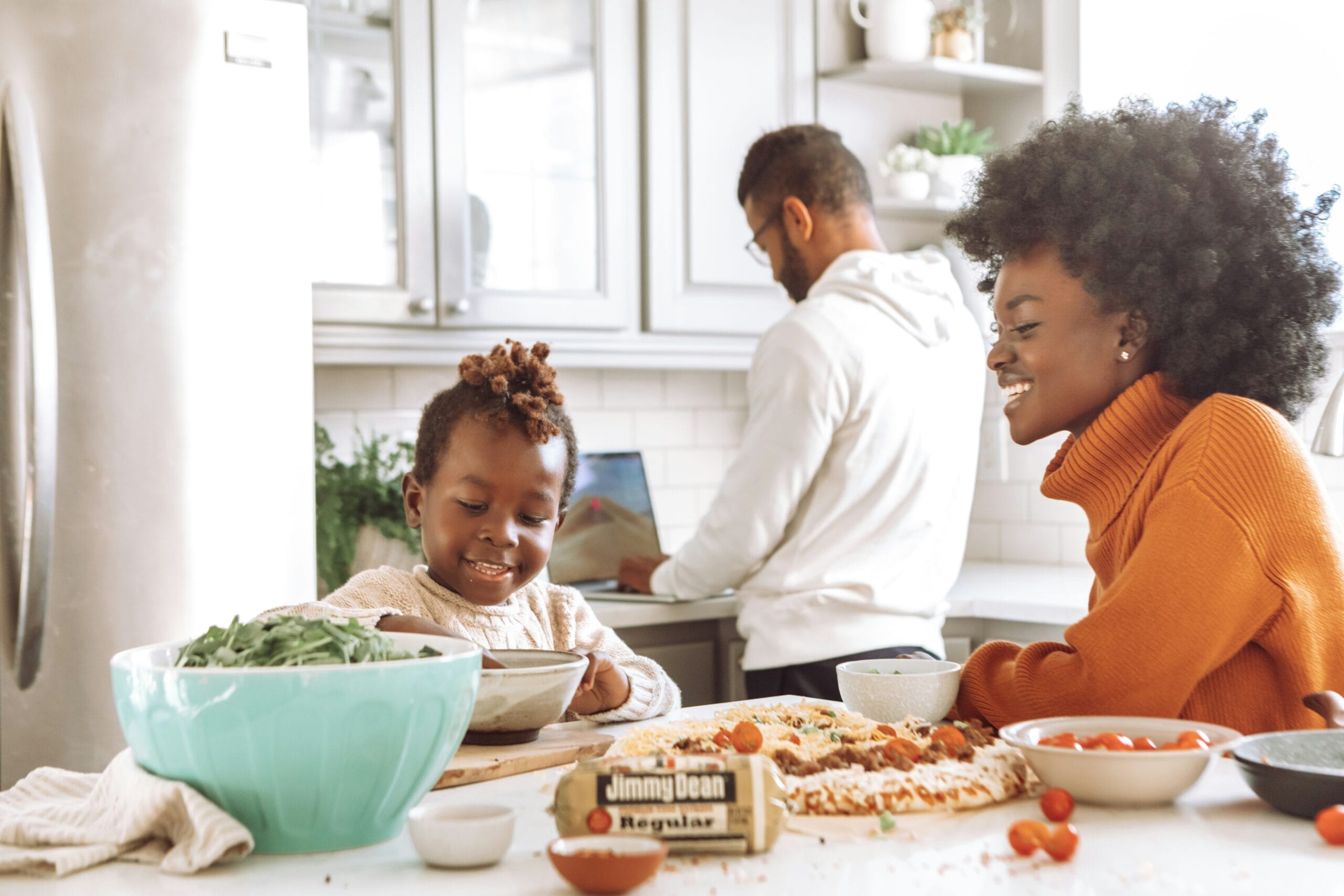
Turning dinner preparation into a hands-on activity sparks toddler curiosity. Granting little helpers easy kitchen tasks like washing lettuce leaves or sorting green beans gives them pride in mealtime outcomes. Pride of ownership motivates children to taste dishes they helped construct.
Playful storytelling gives fresh produce exciting personalities at the table. Describing steamed broccoli as tiny forest trees turns eating into a creative game. Lighthearted interactions take away table tension and transform mealtime routines into shared family wins.

Building lifelong healthy habits takes patience, warmth, and steady commitment. Celebrating small taste tests creates a welcoming environment around the family table. Offering fresh whole foods with a relaxed attitude helps your toddler’s food curiosity bloom naturally.