Family Beekeeping: A Beginner’s Guide for Kids and Parents
As an Amazon Associate, I earn from qualifying purchases. This post may contain affiliate links. Read my disclosure policy.
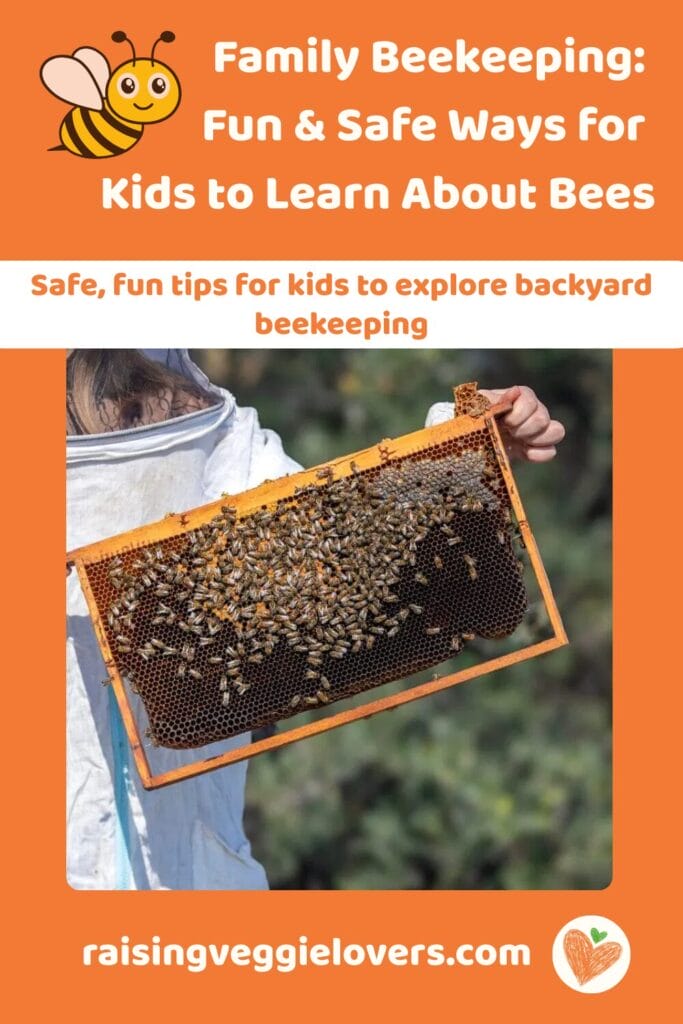
Beekeeping is more than just honey — it’s a hands-on way for families to explore nature, responsibility, and the incredible role bees play in our food supply. Kids can learn where food really comes from, while parents enjoy a meaningful hobby that benefits the garden and the planet.
Before you jump in, here are a few key things families should know when starting their beekeeping journey.
Understand Local Beekeeping Rules
Every town has different rules for backyard beekeeping. Some require permits, inspections, or limits on hive placement. If you live in a neighborhood with a homeowners’ association, check their guidelines too.
Plan for Startup and Ongoing Costs
Beekeeping has an upfront investment. Hive boxes, frames, protective clothing, and tools usually cost $300–$600 per hive. You’ll also need to buy bees, either in a package or as a starter colony.
Expect small ongoing costs for sugar feed, repairs, or occasional treatments. The good news? Harvesting honey later can offset some of those expenses.
Kid connection: Have your child track costs in a “Bee Budget Journal” to build math and money skills.
Learn Bee Behavior and Safety
Bees are fascinating creatures, but they can also sting if they feel threatened. Teach kids how bees behave so they know what to expect:
- Move slowly and gently near hives
- Always wear protective clothing
- Don’t open hives in stormy or late-evening weather
- Keep rescue medication nearby if anyone has allergies
For extra guidance, contact your local beekeeping association for assistance with regulations. They can also point you in the right direction when purchasing a bee smoker, along with other necessary equipment. They often provide mentorship programs perfect for beginners.
Learning extension: Kids can draw a “Bee Safety Poster” for the family to display near the hive.
Know Your First-Year Timeline
Spring is the best season to begin. Order your equipment and bees in winter so they arrive on time. Your first year focuses on helping the colony grow strong, not on collecting honey.
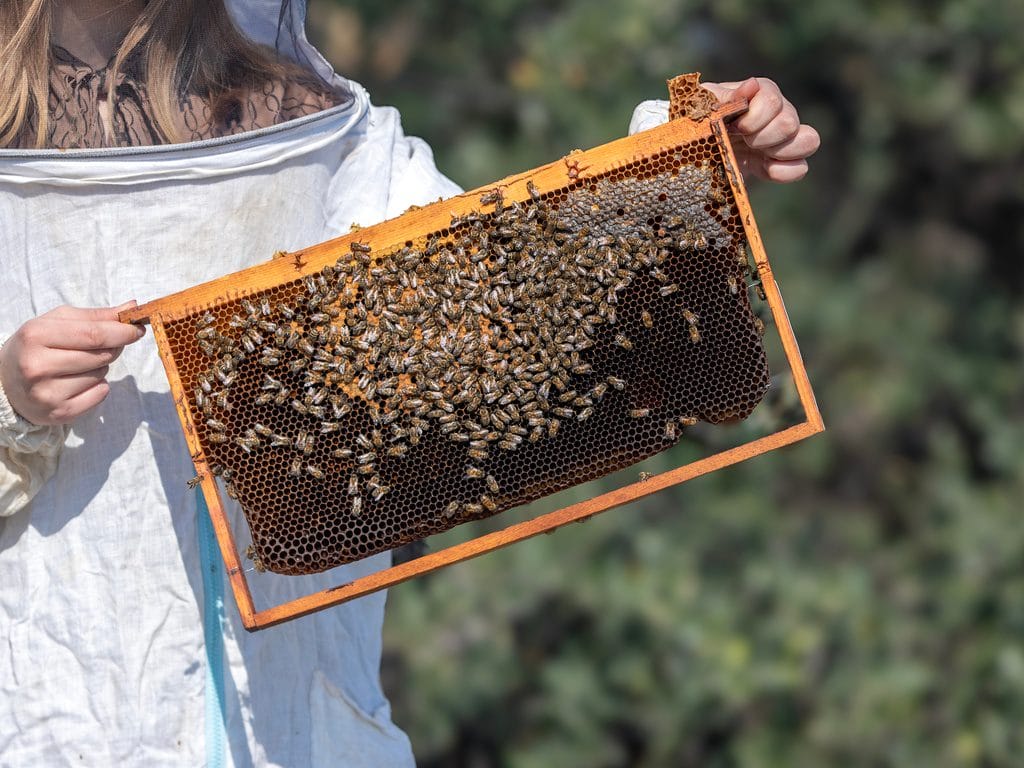
Families usually spend 30–60 minutes per hive each month during active seasons. Kids love inspecting hives and spotting worker bees, drones, and the queen!
Activity idea: Start a bee observation journal — draw or write what you notice during each inspection.
Connect with Your Local Beekeeping Community
Beekeeping clubs and associations are wonderful for families. They often run workshops, equipment shares, and even kids’ programs. A mentor can answer tricky questions when challenges pop up.
Try this first: Not ready for a hive yet? Build a simple bee hotel for mason bees using paper tubes or bamboo. It’s a fun family craft that helps local pollinators.
Sweet Takeaway
Beekeeping with kids is about more than honey — it’s about curiosity, responsibility, and learning together. With patience, preparation, and a supportive community, your family can enjoy years of pollinator adventures and sweet rewards.
Even if you’re not ready for hives, start small: plant bee-friendly flowers, make a craft, or visit a local beekeeper. Every little step helps kids appreciate the buzzing world of bees.