Why Visits to the Farmers Market Are Great for Kids
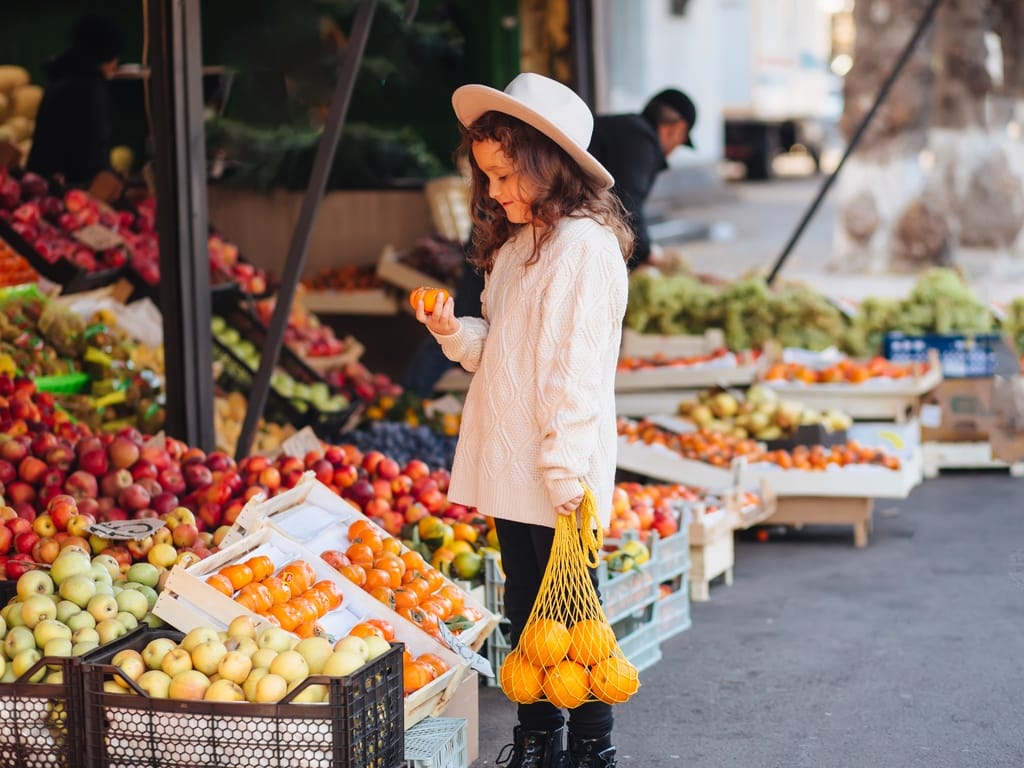
This is a contributed post.
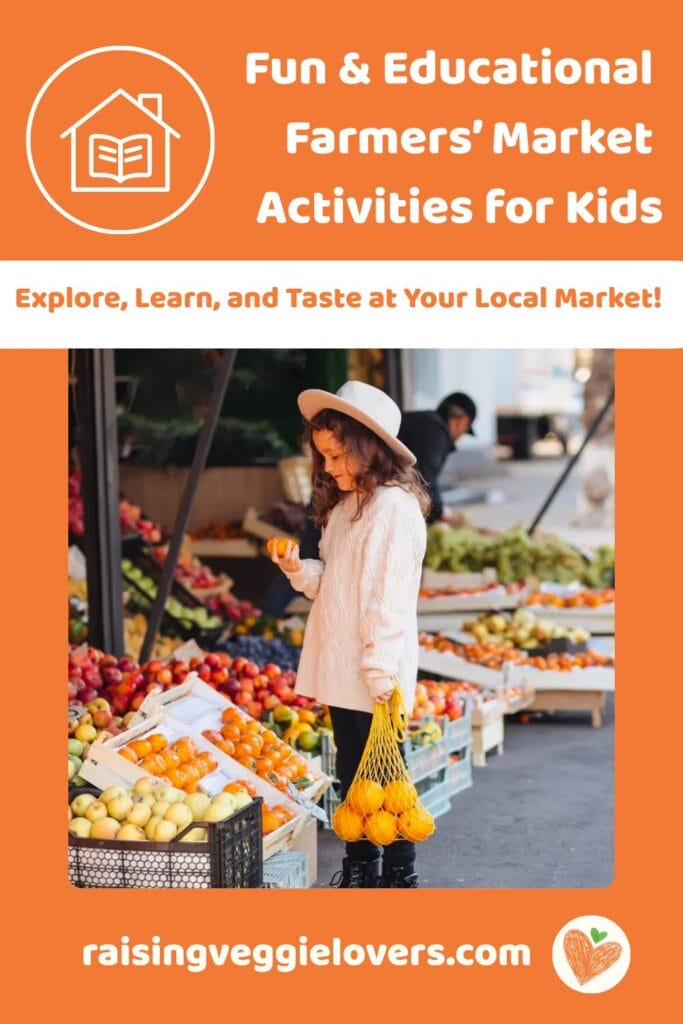
For young children, every new experience offers a chance to learn, explore, and grow. While worksheets and online lessons have their place, stepping outside the home can open entirely different doors. One of the simplest ways to do this is by heading to your local farmers’ market.
Here’s why visits to the farmers market are great for kids, and what to look for when you go.
Real-World Learning on Display
At the market, learning isn’t packaged in a textbook. Kids see math in action as they count coins, calculate prices, and weigh produce. They spot letters on handwritten signs, hear farmers describe how crops are grown, and ask questions about unfamiliar foods. These are lessons that stick because they’re tied to real people and real objects, not screen time.
For homeschooling families, the market becomes an outdoor classroom. A 30-minute visit can cover multiple subjects:
- Practice estimation and measurement
- Learn produce names
- Discuss where crops grow based on climate zones or soil types
Encouraging New Foods
Farmers’ markets are full of fresh, colorful options that rarely appear on grocery store shelves. That variety can work in your favor. Kids are far more likely to try a new fruit or vegetable when they’ve seen it up close and picked it out themselves.
For example, Vancouver, Washington-area late summer markets may feature golden beets, marionberries, kohlrabi, and shelling peas. Giving your child $5 to spend on a fruit or vegetable they’ve never tried turns the outing into a small adventure. Exposing kids to seasonal produce like this encourages healthier eating habits at home.
Storage Starts the Conversation
Children naturally ask questions about anything and everything, and food storage is no exception. At home, conversations often begin when families unpack produce together. Kids may also begin to notice which fruits and vegetables need ventilation or special handling.
Understanding why leafy greens wilt in sealed containers or why apples bruise in tight spaces can spark practical discussions in food science. These small observations can grow into lessons about food preservation, composting, and minimizing waste.
Movement and Mindfulness
Unlike the fluorescent aisles of a grocery store, farmers’ markets are alive with color, sound, and movement. The walk between stands invites kids to slow down, look closely, and stay present. There’s space to ask questions, sample bites, and observe people working with their hands.
Even 20–30 minutes of unstructured movement at the market provides a break from seated learning. It helps reset focus, improve mood, and develop attention to detail—skills that carry back into your home classroom.
Watch Their Curiosity Grow
Some children come home asking why farmers grow purple carrots or how honey gets from a bee to a jar. Others may draw pictures of what they saw, create their own “mini markets” at home, or write their own price tags.
Don’t be surprised if a trip to the market turns into a research project at home. This is just another reason why visits to the farmers’ market are great for kids.