
8 Simple Ways to Teach Good Hygiene Habits to Kids
Some of the content in this post was provided by a contributor. We only share resources we think are helpful.
Getting kids to brush their teeth, wash their hands, and keep up with basic hygiene can sometimes feel like a daily battle. When they’re busy playing, learning, or doing something they love, stopping to wash up isn’t always a priority!
But teaching good hygiene habits to kids doesn’t have to involve constant reminders or arguments. With a little patience, consistency, and encouragement, children can gradually learn to take responsibility for their own personal care.
Whether you’re teaching a preschooler how to wash their hands or helping an older child become more independent, these eight simple tips can make everyday hygiene routines easier for the whole family.
1. Start With Simple, Age-Appropriate Hygiene Habits
Children aren’t born knowing how to take care of their personal hygiene. Like any other life skill, it takes time, practice, and guidance.
Start with small tasks that match your child’s age and abilities. Younger children can practice washing their hands, wiping their faces, and putting dirty clothes in the laundry. Older kids can gradually take on more responsibility for bathing, brushing their teeth, and managing their daily routines.
Remember that independence develops at different rates. Even children who know how to brush their teeth may still need an adult to help them brush thoroughly. The goal is to build confidence while providing the support they need.
Encouraging children to participate in everyday responsibilities is also an important part of Montessori-inspired learning. For more ideas, check out my article on Montessori at home and encouraging independence.
2. Make Hygiene Part of Your Daily Routine
One of the easiest ways to help kids develop healthy hygiene habits is to make them part of an existing routine.
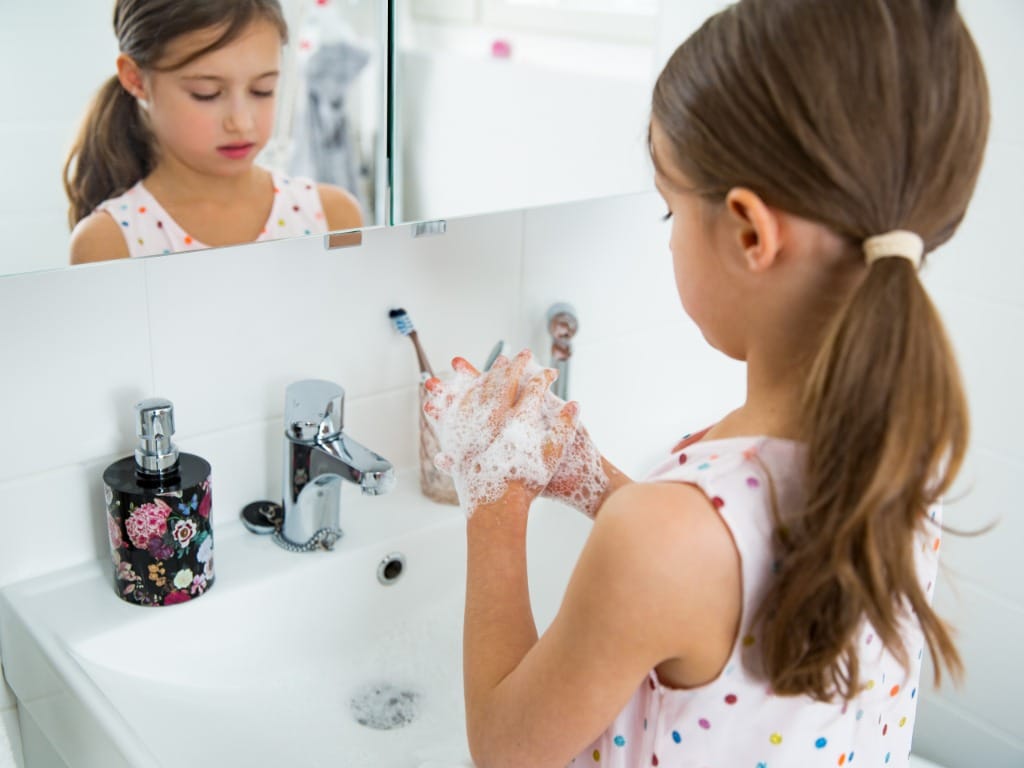
Instead of constantly reminding your child to wash their hands, establish predictable times when it needs to happen. For example, washing hands before meals, after using the bathroom, and after playing outside can become a natural part of the day.
The same goes for brushing teeth. When children know that brushing happens every morning and before bedtime, they’re more likely to understand what’s expected of them.
You don’t need a rigid schedule to make routines work. I’ve found that having a general rhythm to our day helps us stay consistent while still allowing plenty of flexibility. You can read more about our approach in my post on creating a flexible homeschool schedule.
For younger children, a simple picture checklist near the bathroom sink can also provide a helpful visual reminder.
3. Explain Why Good Hygiene Is Important
Kids are naturally curious, and understanding why they’re being asked to do something can make a big difference.
Rather than simply saying, “Go wash your hands,” explain that germs can spread when we touch things and then touch our mouths, noses, or food. Washing with soap and water helps remove those germs.
When talking about brushing teeth, explain how brushing helps remove plaque and protect teeth from cavities.
Keep explanations simple and age-appropriate. You can even turn handwashing into a mini science lesson by talking about germs that are too small to see.
Helping children understand the reasons behind healthy habits encourages them to make good choices, even when an adult isn’t standing nearby reminding them.
4. Teach Kids Which Personal Items Shouldn’t Be Shared
Teaching children to share is important, but some belongings are better kept for personal use.
Items such as toothbrushes, hairbrushes, combs, and certain hair accessories shouldn’t be shared. Explaining these boundaries helps children understand how to protect themselves while still being kind to their friends.
For example, sharing personal items, including hats and hairbrushes, can sometimes contribute to the spread of head lice, although direct head-to-head contact is the more common way lice spread.
It’s also important to explain that getting head lice has nothing to do with being dirty or having poor hygiene. Anyone can get lice.
Encourage kids to recognize their belongings and practice politely saying no when someone asks to borrow something that shouldn’t be shared.
5. Make Hygiene Supplies Easy for Kids to Reach
Sometimes children need help with hygiene simply because their environment isn’t set up for them to do things independently.
A child who can’t reach the sink, find their toothbrush, or grab a clean towel will naturally need more assistance.
Small changes can make everyday routines easier:
- Provide a sturdy, non-slip step stool so younger children can reach the sink.
- Keep toothbrushes and other safe, everyday supplies in accessible places.
- Use separate hooks or designated spots for each child’s towel.
- Let children choose a toothbrush color or design they enjoy.
- Keep a laundry basket where kids can easily put their dirty clothes.
Remember to keep cleaning chemicals, medications, and other potentially dangerous products securely out of children’s reach.
Making these simple adjustments gives kids opportunities to take responsibility for their belongings and practice self-care skills.
6. Encourage Good Habits With Positive Reinforcement
It’s easy to focus on what kids forget to do, especially when you’ve reminded them to brush their teeth or wash their hands several times already.
But recognizing their efforts can be much more encouraging than constantly pointing out what they’ve missed.
Try offering specific praise when your child remembers to wash their hands before eating or gets ready for bed without being asked. A simple “I noticed you remembered to brush your teeth tonight!” can help reinforce the habit.
For younger children, a visual hygiene chart can also be helpful. They can check off completed tasks or use stickers to track their routines.
Just remember that the goal isn’t perfection. Children will forget things, and that’s normal. Calm reminders and consistent expectations can help them continue learning without turning hygiene into a power struggle.
7. Model the Hygiene Habits You Want to Teach
Children learn a lot by watching the adults around them. If they regularly see you washing your hands, brushing your teeth, and taking care of your belongings, those behaviors become familiar parts of daily life.
Whenever possible, practice hygiene routines together. Wash your hands before preparing a meal, or brush your teeth alongside your child while they’re learning.
These everyday moments are opportunities to demonstrate good habits without making them feel like another lesson.
As your child becomes more confident, gradually give them more responsibility while continuing to offer help when needed.
8. Adjust Hygiene Routines as Your Child Grows
What works for a four-year-old might not work for an eight-year-old. As kids grow, their abilities, schedules, and personal care needs change.
Younger children may need step-by-step instructions and hands-on assistance. Older children might benefit more from reminders, checklists, and opportunities to manage their own responsibilities.
Check in occasionally to see which tasks your child feels confident doing independently and where they still need support.
Giving children more ownership over their routines can help build confidence, but independence doesn’t mean removing all guidance. Continue supervising personal care tasks when necessary and make adjustments that work for your family.
A Simple Daily Hygiene Checklist for Kids
If you’re wondering where to start, focus on a few basic hygiene habits that children can practice regularly:
- Brush teeth twice a day with age-appropriate adult help or supervision.
- Wash hands with soap and water before eating and after using the bathroom.
- Wash hands after playing outside, blowing their nose, or handling pets.
- Wear clean underwear and change into clean clothes as needed.
- Bathe or shower regularly based on age, activity level, and personal needs.
- Use personal toothbrushes, combs, and hairbrushes instead of sharing.
- Put dirty clothes and used towels in their designated laundry area.
You don’t have to introduce every responsibility at once. Start with a few habits, practice them consistently, and add more as your child becomes ready.
Helping Kids Build Healthy Hygiene Habits for Life
Teaching good hygiene habits to kids is about more than getting through the morning or bedtime routine without reminders. It’s about helping children develop confidence, independence, and an understanding of how to take care of themselves.
With realistic expectations, positive encouragement, and simple daily routines, personal hygiene can gradually become something children manage with greater independence.
And remember, you don’t have to do everything perfectly. A little patience and consistency can go a long way toward building healthy habits that last.