What Homeschool Really Looks Like
As an Amazon Associate, I earn from qualifying purchases. This post may contain affiliate links. Read my disclosure policy.
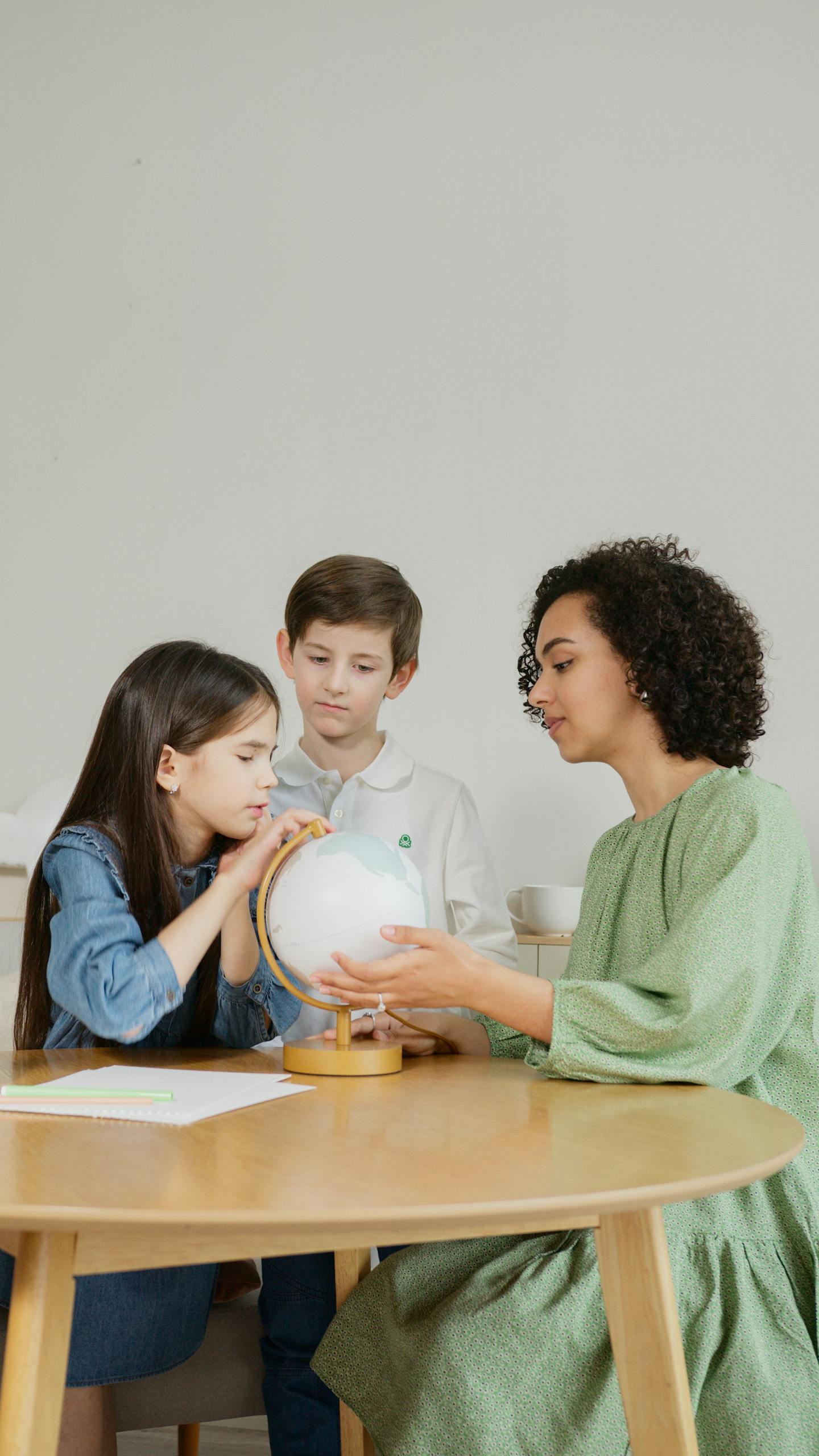
If you think homeschooling means avoiding structure and living off-grid, think again. In our home, homeschooling includes a blend of online learning, traditional book work, two active homeschool groups, and plenty of play. We also stay loosely aligned with grade-level benchmarks—not because we feel pressured, but because we want our kids to be ready for any future path, including public school if they ever choose it.
Our days are flexible but full—filled with hands-on projects, group presentations, neighborhood adventures, and a whole lot of learning along the way. Here’s a peek into what homeschool really looks like for our family—plus a few myths we’re more than happy to bust.
Why We Love Homeschooling
We always thought about homeschooling, but COVID really sealed the deal for our family. My husband and I are both from Hawai’i, so it’s important to us that our kids stay connected to their roots — we make it a point to take them back every year to immerse them in Hawaiian culture and help them feel that Hawai’i is a true home for them. That’s why we started homeschooling in the first place, but we have found so many other things we love about it!
Flexibility:
We can tailor each day to fit our kids’ needs, energy, and interests—whether that means slow mornings or spontaneous field trips.
Freedom to Travel:
Learning doesn’t have to stay in one place. Homeschooling lets us take school on the road and explore the world together.
Meaningful Social Connections:
From homeschool groups to community activities, our kids connect with peers of all ages and build real friendships beyond the classroom.
Learning at Their Own Pace:
We get to move faster in areas they love and take more time where they need it—without pressure or comparison.
Family Bonding:
Homeschooling creates space for shared experiences, deeper conversations, and growing together every day.
What Homeschool Looks Like for Us
Flexibility, with a Side of Structure
Yes, there’s freedom—but we also have a rhythm. Our days include online learning, workbook time, group activities, and (very importantly) free play. Some days are more academic, others are more creative or hands-on. And that’s okay. It balances out.
Learning in All Forms
Sometimes it’s math lessons on the tablet. Other times, it’s building fairy houses out of sticks or pretending to run a grocery store. We count both. Kids learn so much through play, imagination, and conversation—and we make space for all of it.
Community is Key
We’ve built a strong, active community through our homeschool groups, summer camps, sports, and neighborhood friendships. My kids meet weekly for group projects and presentations, play at parks, and burn off energy at Urban Air with friends. They spend hours outside with neighborhood kids—riding bikes, building forts, and making up games. Socialization isn’t something we worry about—it’s a big, joyful part of our everyday life.
Keeping Academic Options Open
While some families unschool or follow alternative learning paths, I choose to loosely align our work with public school grade levels. That way, if my kids ever want or need to transition to a traditional classroom, they’ll be ready. It’s not about pressure—it’s about possibilities.
Homeschool Misconceptions (Let’s Clear a Few Things Up!)
Myth #1: Homeschoolers Aren’t Socialized
This one makes me laugh. Between co-ops, park days, classes, and family outings, our kids have regular interactions with people of all ages. Socialization? We’ve got it covered—and then some.
Myth #2: You Need a Teaching Degree
I’m not a certified teacher—but I am deeply invested in my kids’ learning. With today’s tools, online programs, support networks, and community resources, parents can absolutely provide a rich and meaningful education at home.
Myth #3: Homeschooling Is Only for Religious Families
Every homeschool family has its own reasons. For us, it’s about flexibility, personalization, and lifestyle. Some families prioritize religious teachings, others don’t. It’s not about fitting a mold—it’s about creating what works.
Myth #4: Homeschool Kids Miss Out
Sure, they may miss out on cafeteria lunches and school assemblies. But they gain quiet mornings, hands-on learning, quality time, and the chance to explore interests in depth. Homeschooling offers a different set of experiences—and we think that’s a good thing.
Final Thoughts
If you’re homeschool-curious or just trying to picture how it all works, I hope this gave you a better idea of what home education can really look like. It doesn’t have to mean rigid schedules or complete chaos. For us, it’s a mix of structure and spontaneity, academics and exploration, independence and community.
Whether you homeschool year-round or you’re just starting to explore the idea, remember—there’s no one “right” way to do it. If it works for your family and your kids are thriving, you’re doing it right.