

Can Babies Eat Spicy Food? How to Introduce Spices Safely
This post was updated on October 19, 2026.
As an Amazon Associate, I earn from qualifying purchases. This post may contain affiliate links. Read my disclosure policy.

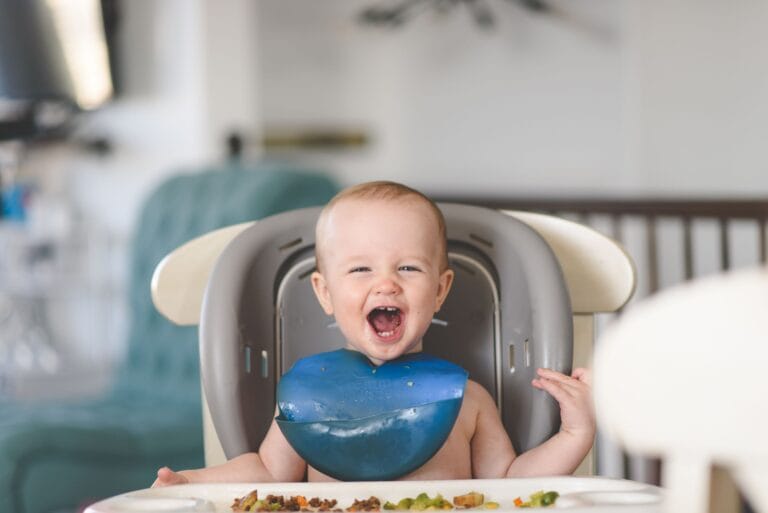
Can babies eat spicy food? Yes—babies who are ready for solids can enjoy foods seasoned with herbs and spices, and some may even enjoy a tiny amount of chili pepper. The key is to start with flavor, introduce heat gently, and follow your baby’s cues.
As parents who love food, it’s natural to want our kids to enjoy the flavors we do. But there’s no need to rush into hot peppers or expect your baby to love everything right away. Building a positive relationship with food matters more than how much spice they can handle. If you’re interested in encouraging curiosity at mealtimes, read my post about raising an adventurous eater.
When Can Babies Have Spices and Spicy Food?
Most babies can begin solid foods at around 6 months, once they show signs of developmental readiness. Mild herbs and spices—such as cinnamon, cumin, coriander, ginger, oregano, and basil—can be used in age-appropriate foods from the beginning. You don’t need to serve only bland purees.
There is no universal rule that babies must wait until their first birthday to taste chili pepper. However, hot peppers and cayenne contain capsaicin, which can cause a burning sensation. Consider letting your baby become familiar with a variety of foods and gentle seasonings before offering noticeable heat.
If you do offer a spicy dish, taste it first and start with a very small amount mixed into familiar food. Avoid concentrated hot sauce, cayenne powder sprinkled directly onto fruit, or foods so hot that eating becomes uncomfortable. For more detailed age-by-age preparation advice, see Solid Starts’ guide to cayenne pepper.
1. Start With Flavor Before Heat
“Spiced” and “spicy hot” aren’t the same thing! Herbs and mild seasonings are a simple way to introduce interesting tastes without the intensity of chili peppers.
You can start with recipes you already enjoy making. My mango baby food purees use basil, mint, or ginger, and my Okinawan sweet potato baby food puree includes a hint of ginger and creamy coconut milk. For a savory option, try cauliflower + pea baby food puree with dill.
Introduce unfamiliar ingredients individually when appropriate so it’s easier to identify a reaction, and always prepare them in a texture suitable for your baby.
2. Add Just a Tiny Amount of Heat
When your baby is comfortable with a range of flavors, you might offer a small taste of a family dish made with a mild chili. Mix a tiny amount of chili seasoning or finely prepared pepper into their portion rather than serving cayenne on its own. Skip very hot peppers and make sure there are no tough or oversized pieces.
Hot peppers can irritate the skin and eyes. Wipe hands and faces gently after eating and help prevent your baby from rubbing their eyes with spicy food on their fingers. If your baby seems uncomfortable, stop and offer a familiar, mild food. Plain yogurt, if dairy has already been introduced, or mashed avocado may help soften the sensation of heat.
3. Build Up Gradually—and Follow Your Baby’s Lead
Spice tolerance varies from child to child, and there’s no ideal level of heat a baby needs to reach. Start with mild flavors, offer small amounts, and watch their response. Turning away, crying, coughing from the heat, or showing clear discomfort are signs to stop rather than encourage another bite.
Not every chili is equally hot. If you’re cooking with peppers, the Scoville scale offers some background on how pepper heat is measured. For baby food, the most useful approach is simply to taste the finished dish yourself and keep it very mild.
4. Talk About Spicy Food in a Positive, Honest Way
I try not to use “spicy” as a substitute for “you can’t have that.” Instead, I describe what the food actually tastes like: warm, smoky, tangy, or a little hot. Children can learn that spicy food isn’t bad, but they should also know when to expect heat.
It’s okay to say, “This has a little chili in it, so it might feel hot on your tongue.” Being calm and truthful helps children feel comfortable choosing whether to try a taste. You don’t have to hide the heat or push them to like it.
5. Keep Offering Variety Without Pressure
If your baby isn’t interested in a particular flavor, that’s okay. You can offer it again on another day as part of a relaxed meal, but there’s no need to force a bite or insist they finish it. The same goes for spicy foods: some kids enjoy them, and others don’t.
Try serving familiar ingredients in different combinations and age-appropriate textures. My green bean + dill puree and pear + ginger baby food puree are two more ways to explore new flavors without adding chili heat.
Tips for Serving Spiced Foods Safely
- Start solids when ready: Most babies begin around 6 months; developmental signs matter more than the calendar alone.
- Keep textures age-appropriate: Cook and chop ingredients thoroughly and avoid tough chili skins or large pieces.
- Begin with gentle seasonings: A little cinnamon, dill, coriander, or ginger adds flavor without intense heat.
- Use only tiny amounts of hot chili: Taste food before serving and stop if your baby shows discomfort.
- Skip extra salt and sugary sauces: Store-bought chili blends and hot sauces may contain added salt, sugar, or other ingredients; never serve honey to babies under 12 months.
- Supervise meals: Watch for eye rubbing, skin irritation, or coughing from heat, and contact your child’s clinician about concerning symptoms.
Frequently Asked Questions About Spicy Food for Babies
Can a 6-month-old baby have spices?
Yes. Babies who are developmentally ready for solids, typically around 6 months, can enjoy small amounts of culinary herbs and spices in suitable foods. Start with milder seasonings and offer new ingredients thoughtfully.
Do babies have to wait until age 1 for chili pepper?
Not necessarily. A tiny amount of chili in food may be offered earlier, but there’s no need to rush. Very spicy dishes can be uncomfortable, so begin with mild foods and let your baby guide you.
What if my baby does not like spicy food?
That’s completely fine. Continue offering a wide range of flavors without pressure, and don’t assume liking hot peppers is the goal of adventurous eating.
Can spicy food cause a rash?
Chili peppers can sometimes cause temporary irritation around the mouth or diaper area. A true allergic reaction is also possible, though less common. If you notice hives, swelling, repeated vomiting, trouble breathing, or other worrying symptoms, seek appropriate medical care; trouble breathing is an emergency.
More Homemade Baby Food Recipes to Try
- Mango Baby Food Purees, 3 Ways
- Okinawan Sweet Potato Baby Food Puree
- Cauliflower + Pea Baby Food Puree
- How to Store Homemade Baby Food
A Quick Baby-Feeding Reminder
Disclaimer: This article is for general educational purposes and is not a substitute for personalized medical advice. Babies typically begin solids around 6 months when developmentally ready. Always offer safely prepared, age-appropriate foods and talk with your pediatrician if you have concerns about allergies, feeding, or introducing spicy foods.