

Why Variety Is the Secret to Better Playground Play
Some of the content in this post was provided by a contributor. We only share resources we think are helpful.
A great playground gives kids more than a place to burn off extra energy. It creates opportunities to climb, imagine, balance, explore, cooperate, and try movements that feel new or challenging. When playgrounds offer several types of activities, children can follow their curiosity instead of repeating the same movement throughout every visit. This variety can support healthy bodies and positive social experiences while keeping outdoor play exciting. Below, we discuss why variety is the secret to better playground play and why it keeps kids engaged.
Different Activities Keep Kids Interested
Kids often move quickly from one activity to another, especially when they have plenty of interesting choices. A playground with only a slide and a few swings may entertain them temporarily, but limited options can make longer visits feel repetitive. Adding climbing structures, balancing features, imaginative spaces, and movement-based equipment gives children more reasons to keep exploring. Each new activity creates another opportunity for kids to discover what their bodies can do.
Variety also helps playgrounds work for children with different personalities and play preferences. One child might race toward a climbing wall while another starts a pretend restaurant beneath a play structure. Some kids enjoy fast movement, while others prefer quieter activities that let them observe before joining the action. A well-rounded playground gives more children a comfortable starting point and room to branch into something new.
Movement Builds Stronger Bodies
Active playground equipment encourages children to use their bodies in ways that everyday indoor activities may not provide. Swinging, spinning, rocking, and bouncing can challenge balance while encouraging kids to coordinate different parts of their bodies. The benefits of motion playground equipment also include giving children fun reasons to stay active without making movement feel like structured exercise. Kids simply know that they want another turn, which naturally keeps them moving.
Different playground activities can also work different muscle groups during the same outdoor visit. Climbing may challenge the arms and core, while running strengthens the legs and gives kids a chance to practice quick changes in direction. Balancing activities ask children to slow down, concentrate, and control each movement with greater care. Combining these experiences creates a more varied form of physical play than repeating one activity for the entire visit.
Climbing Creates Exciting Challenges
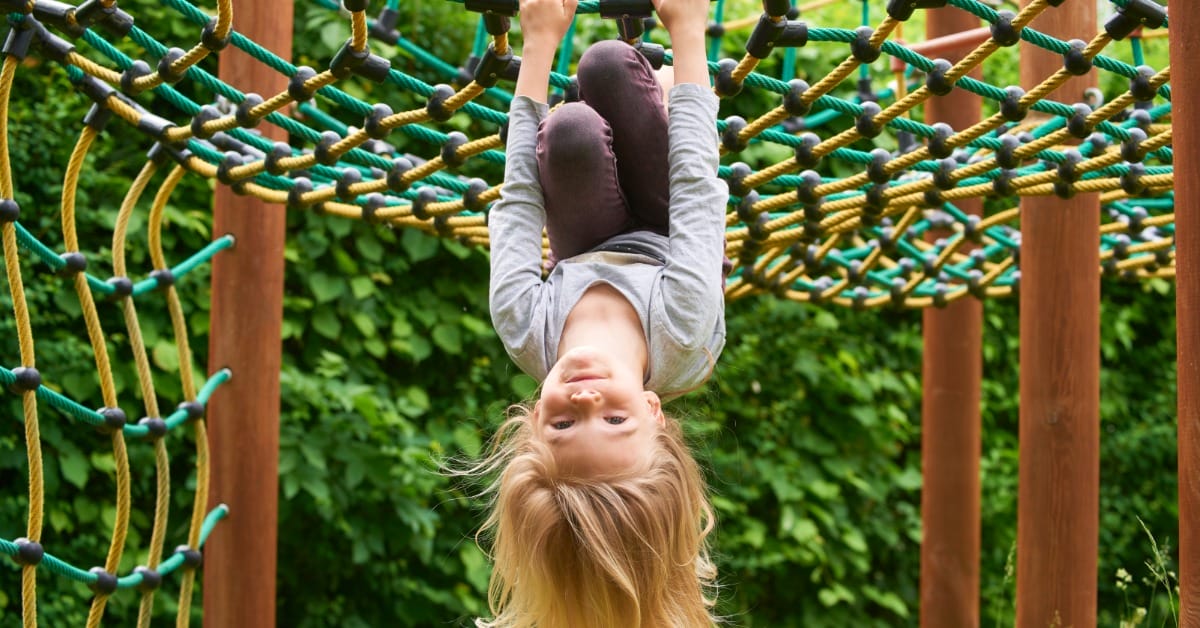
Climbing equipment gives children an easy way to test their strength while developing confidence through practice. A child may hesitate at the bottom of a climbing structure during one visit and reach the top independently after several attempts. That progress can feel especially rewarding because kids can see exactly how their skills have improved. Parents can encourage the effort without turning the experience into a lesson or competition.
Families may also notice the benefits climbing areas bring to playground experiences when children start experimenting with different routes and strategies. Kids must decide where to place their hands, how far to stretch, and which path feels manageable for their abilities. These choices combine physical movement with problem-solving, which makes climbing engaging for the body and mind. Different difficulty levels also give children opportunities to challenge themselves gradually as their skills grow.
Variety Encourages More Types of Play
Not every playground activity needs to focus on running, climbing, or other big movements. Creative features can encourage children to tell stories, invent games, experiment with sounds, or pretend that a play structure represents something completely different. These open-ended opportunities matter because children often transform simple spaces through imagination. A platform can become a spaceship one afternoon and a grocery store during the next visit.
Parents can look for playgrounds that include several types of play opportunities, such as:
- Climbing structures that offer different heights and routes
- Swings, spinners, or rockers that create exciting movement
- Balance features that encourage controlled steps and concentration
- Open spaces where kids can run or create group games
- Imaginative elements that support storytelling and pretend play
A playground doesn’t need dozens of elaborate features to provide meaningful variety. Thoughtful combinations give children several ways to move, think, and interact within a relatively small area. Even simple logs, stepping platforms, tunnels, and open spaces can inspire surprisingly different games. The key involves giving kids enough choices to shape the experience around their own interests.
Varied Play Supports Problem-Solving
Playgrounds regularly present small problems that children must figure out for themselves. Kids may need to decide how to cross a bridge, reach a platform, or move around another child without abandoning their game. These everyday decisions encourage flexible thinking because playground situations constantly change. Children get immediate opportunities to adjust their approach and try again when the first idea doesn’t work.
Parents can support this process by allowing children time to explore before immediately offering a solution. A simple question about what they could try next can encourage kids to think through a challenge independently. Of course, adults should remain attentive to safety and provide help when children genuinely need it. Following a few tips for keeping outdoor playtime safe for kids can give children room to explore while helping parents stay aware of potential hazards. The goal involves creating enough space for children to experiment while knowing that a trusted adult remains nearby.
Outdoor Variety Can Complement Healthy Routines
Families who prioritize healthy habits can treat playground time as a natural part of an active day. Outdoor play gives kids space to move freely after homeschool lessons, quiet activities, errands, or time spent indoors. Pairing regular movement with nourishing meals and adequate rest helps families build routines that support overall well-being. The playground makes physical activity feel like an enjoyable part of childhood rather than another task on the schedule.
Homeschooling families can also use varied playgrounds to add movement between learning activities. A playground visit creates a refreshing break after reading, writing, science projects, or other focused work at home. Children return to their next activity after having an opportunity to move and explore outside. Families also gain an easy reason to visit different parks and discover new parts of their community.
Make Every Playground Visit an Adventure
Variety turns playground play into more than a quick trip down the slide or a few minutes on the swings. Different activities encourage children to use their strength, imagination, problem-solving abilities, and social skills throughout a single visit. Parents can support this growth by choosing playgrounds with several play options and giving kids freedom to explore them at their own pace. When children have more ways to play, every trip outside can offer a fresh opportunity to move and learn.