

Simple Things That Will Make Your Garden More Beautiful
Some of the content in this post was provided by a contributor. We only share resources we think are helpful.
A productive vegetable garden doesn’t have to be purely practical. With a little attention to layout and maintenance, it can also be an inviting part of your backyard.
The good news is that you don’t need to completely redesign your garden or spend a lot of money to make a difference. Defined planting areas, tidy pathways, healthy plants, and a few colorful additions can make even a small vegetable garden feel more organized.
Whether you grow tomatoes, peppers, lettuce, squash, or a little bit of everything, these simple upgrades can help your garden look better while making it easier to care for.
Create Defined Garden Beds
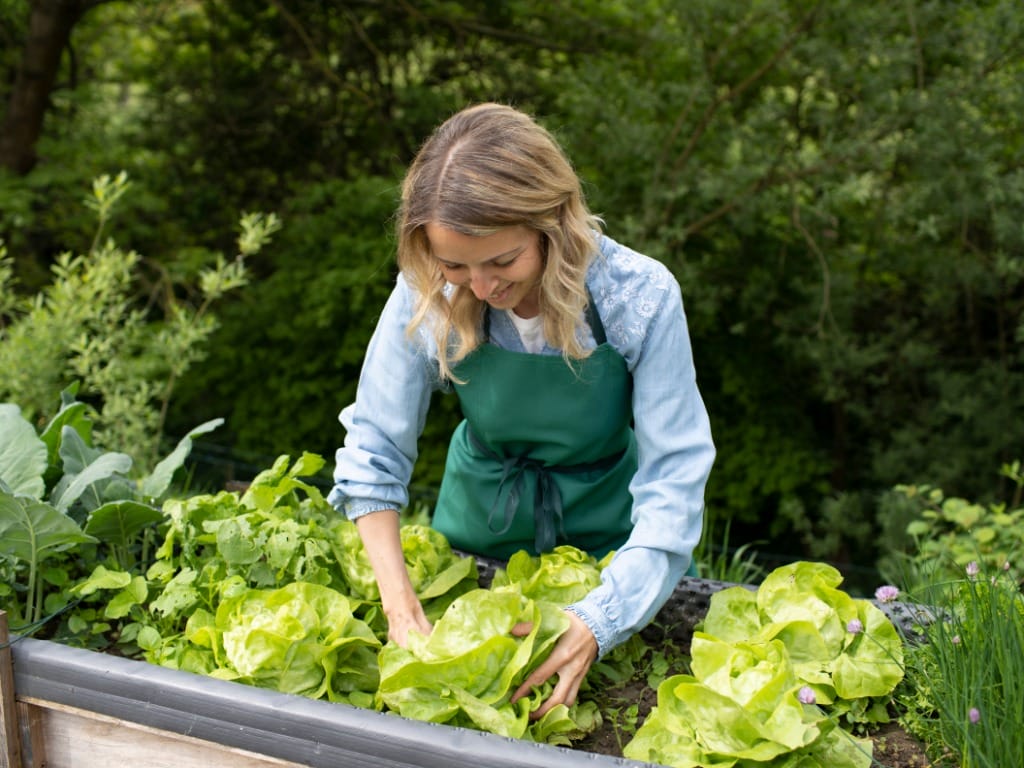
Well-defined beds immediately make a vegetable garden appear more organized. Straight edges, raised borders, or neatly shaped planting areas help separate growing spaces from walkways.
A consistent layout also makes everyday garden tasks like watering, weeding, and harvesting easier.
Raised beds are especially useful because they add structure while improving drainage and making soil easier to manage. If you prefer in-ground gardening, edging materials such as stone, untreated wood, bricks, or metal can create the same polished appearance.
If you’re starting with an unused section of your yard, learning how to prepare untouched land for your first vegetable garden can help you create a healthy growing space before worrying about the finishing touches.
Keep Walkways Clean
Walkways deserve just as much attention as planting areas. Clear paths reduce mud, help keep weeds under control, and make it easier to reach every part of the garden without stepping near your plants.
Popular walkway materials include:
- Wood chips
- Gravel
- Straw
- Mulch
- Stepping stones
Choose something that works well with your climate and the amount of maintenance you want to do.
Paths should also be wide enough that you can comfortably move between beds, especially if kids help in the garden or you regularly carry watering cans, baskets, or gardening tools.
Add Functional Garden Supports
Plant supports do more than keep vegetables upright. Trellises, cages, and stakes add height and structure to the garden while helping certain plants stay healthier.
Tomatoes, cucumbers, peas, and pole beans can all benefit from proper support. Keeping plants off the ground can also improve airflow and make vegetables easier to spot and harvest.
For a more cohesive look, try using similar materials throughout the garden rather than a different type of support for every plant.
Refresh Mulch Throughout the Season
A fresh layer of mulch is one of the easiest ways to tidy up vegetable beds.
Mulch also serves an important purpose. It can help the soil retain moisture, regulate soil temperature, and slow down weed growth.
Organic options such as straw, shredded leaves, untreated wood chips, or bark work well in many backyard gardens. As mulch begins to break down or look sparse throughout the growing season, add another layer where needed.
It’s a small task that can make the entire garden look refreshed.
Include Flowers That Benefit Vegetables
Vegetable gardens don’t have to contain only vegetables.
Flowers bring color into the space while attracting bees, butterflies, and other pollinators. Many gardeners grow flowers such as marigolds, nasturtiums, calendula, and zinnias alongside their vegetables.
Flowers can be planted along the edges of garden beds, between rows, or in containers placed around the growing area.
They’re especially fun if you garden with kids. Let children choose a few flowers of their own to plant alongside the vegetables and watch for the different pollinators that visit them.
Maintain Healthy Plants
One of the simplest ways to keep a vegetable garden looking good is to keep the plants themselves healthy.
Remove damaged or yellowing leaves when appropriate, prune plants that have become overcrowded, pull weeds before they take over, and harvest vegetables as they ripen.
Regular harvesting is easy to overlook, especially during the busiest part of the growing season. But leaving overripe vegetables on plants can quickly make a garden feel neglected.
A few minutes of maintenance each time you visit the garden is often easier than tackling everything at once.
Refresh Containers and Decorative Features
Container gardens deserve some attention too.
Wash dirty pots when needed, remove dead plants, refresh old potting mix, and rearrange containers occasionally to change the look of your garden.
You also don’t necessarily need to throw away a favorite planter because it develops a crack. You may be able to save it by fixing broken garden pots instead of replacing them immediately. Small repairs can extend the life of decorative containers while keeping the garden looking well cared for.
You can also group containers of different heights together to add visual interest around patios, garden entrances, or the ends of raised beds.
Install Simple Garden Borders
Borders help visually separate vegetable beds from lawns and surrounding landscaping.
Natural stone, reclaimed wood, bricks, and metal edging are all options. You don’t need anything elaborate—the biggest difference often comes from simply choosing one material and using it consistently.
Borders can also help keep grass from creeping into garden beds, which means less maintenance later.
Give Garden Tools a Home
Scattered tools, empty pots, bags of soil, and watering supplies can make an otherwise tidy garden feel cluttered.
Keep frequently used supplies together in a small outdoor storage box, shed, basket, or designated corner. You can also install hooks for lightweight tools or keep a small garden caddy ready to grab whenever you head outside.
Having a designated place for everything makes cleanup faster and leaves the garden itself as the focus.
Make Beauty Part of Your Gardening Routine
You don’t need expensive landscaping or perfectly symmetrical raised beds to create an attractive vegetable garden.
Organized planting areas, healthy plants, clear pathways, colorful flowers, and a few simple maintenance habits can completely change the feel of the space.
More importantly, your garden should work for your family. Create paths that make harvesting easier, grow flowers that make you happy, and organize your beds in a way that encourages everyone to spend more time outside.
When a vegetable garden is both functional and inviting, tending it becomes part of the enjoyment—not just another chore.