

Creating a Backyard That Inspires Imaginative Play
Some of the content in this post was provided by a contributor. We only share resources we think are helpful.
For young children, the backyard can become much more than a place to run around. It can be a pretend restaurant, a nature lab, a pirate island, or even an outdoor classroom.
With a few thoughtful choices, families can encourage creativity, movement, and hands-on learning without relying on screens. When creating a backyard that inspires imaginative play, the goal isn’t to build a perfect space or fill it with expensive toys. Instead, focus on giving children opportunities to invent their own games, explore their surroundings, and turn ordinary objects into something new.
Let Nature Lead the Fun
Natural elements often spark some of the best ideas. Sticks become magic wands, rocks turn into treasure, and leaves can be used as pretend money, decorations, or ingredients in an outdoor kitchen. Encourage children to collect safe natural materials and use them in open-ended play.
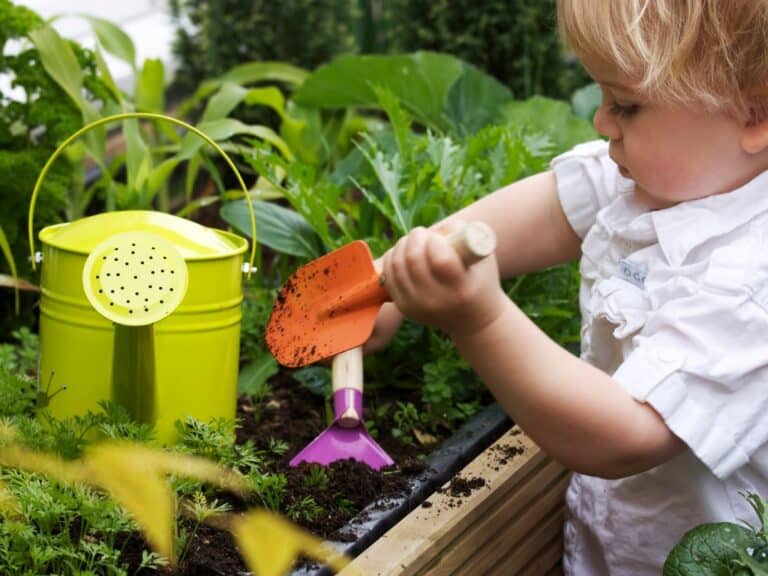
A small garden is another great addition to the yard. Kids can observe insects, watch plants grow, and practice responsibility by helping with watering and harvesting. Even a few containers filled with herbs, vegetables, or flowers can provide plenty to explore.
These everyday experiences can also fit naturally into home science lessons. Children might track the growth of a plant, identify backyard insects, learn what plants need to survive, or observe how the garden changes throughout the seasons. Learning feels much less like school when children are able to experience it firsthand.
Create Flexible Play Zones
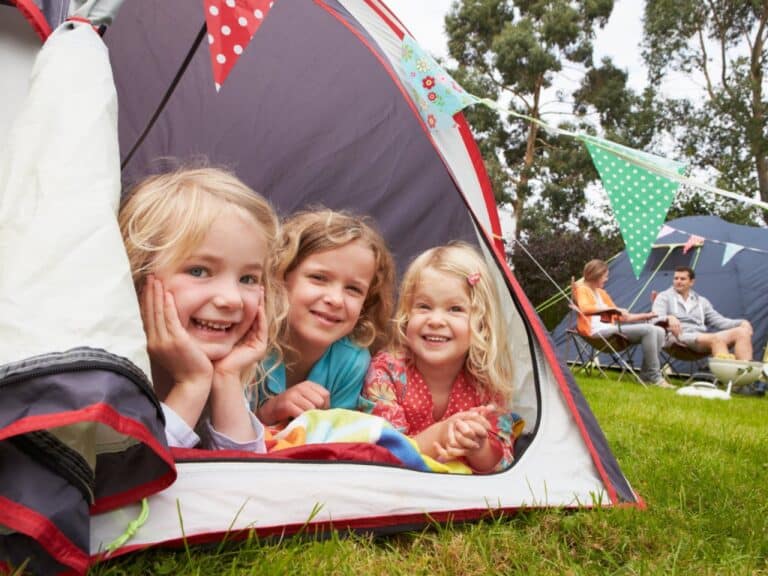
Instead of assigning one purpose to every outdoor area, leave room for imagination. A grassy corner can become a campsite one day and a dinosaur habitat the next. A blanket spread under a tree can transform into a reading nook, picnic area, or puppet theater.
You don’t need permanent structures to create fun play zones either. Cardboard boxes, sidewalk chalk, buckets, outdoor cushions, and other movable items allow kids to redesign the space whenever inspiration strikes.
If your family enjoys active outdoor play, kid-friendly ride-on toys can also encourage storytelling. Children often invent delivery routes, rescue missions, races, or neighborhood adventures while developing coordination and confidence. Families interested in electric ride-on cars for kids benefit from choosing age-appropriate options with the right safety features and overall design.
Ride-on toys can offer benefits beyond simple entertainment, too. They can encourage outdoor activity, coordination, independence, and imaginative play. You can read more about the benefits of electric ride-on cars for kids and how they can become part of active outdoor play.
Add Opportunities for Sensory Play
Backyards are naturally full of different textures, sounds, smells, and sights, making them an ideal place for sensory exploration.
A simple water table, sandbox, mud kitchen, or bin filled with natural materials can keep younger children occupied while encouraging experimentation. Kids can scoop, pour, mix, dig, build, and create without needing detailed instructions.
Even everyday outdoor activities like watering plants, digging in the soil, collecting leaves, or making pretend meals from sticks and flowers can provide valuable sensory experiences.
Encourage Independent Exploration
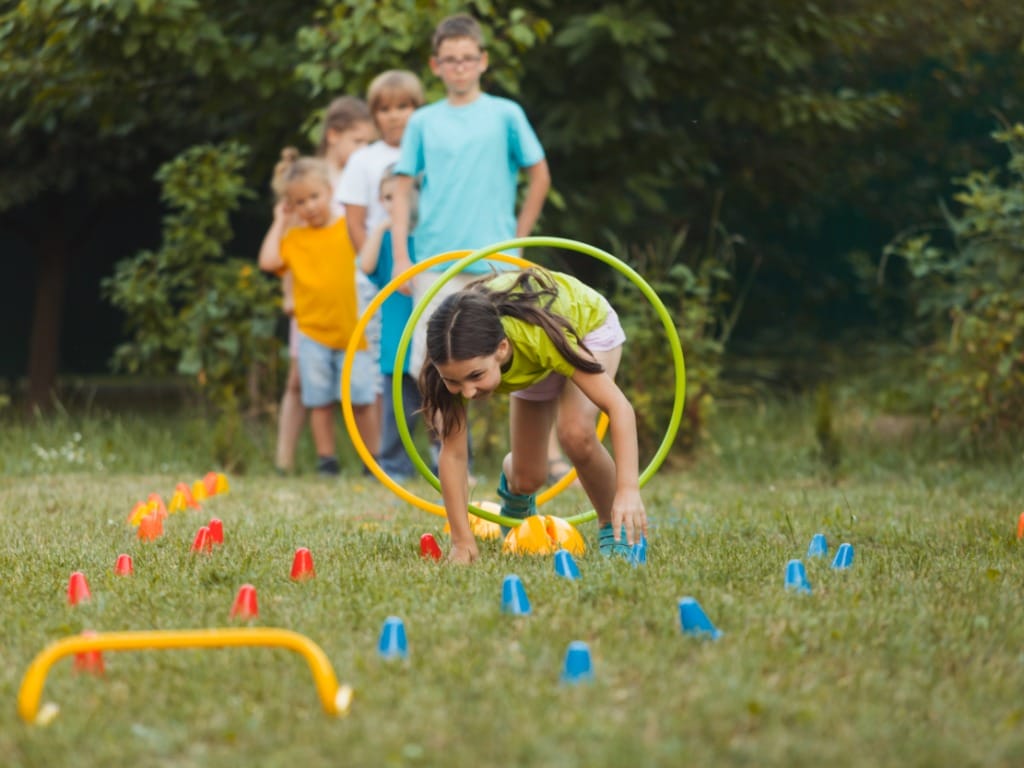
Simple prompts can inspire hours of creative thinking without taking over the activity. Try asking questions such as, “What would you build for a woodland animal?” or “Can you create an obstacle course using what’s outside?”
You might also challenge kids to build a tiny fairy house, design a nature scavenger hunt, create a restaurant using mud and leaves, or pretend they are explorers discovering a new land.
These types of activities encourage problem-solving while still allowing children to direct their own play. Parents can provide the initial idea and then step back to see where their children’s imaginations take them.
Keep Outdoor Play Simple
It can be tempting to think children need elaborate playsets or a perfectly designed backyard to stay entertained, but open-ended spaces often lead to more creative play.
A few versatile materials combined with access to nature can provide endless possibilities. Rotate outdoor toys occasionally, introduce new challenges, or simply allow children enough unstructured time to decide what they want to do.
By creating a backyard that inspires imaginative play, families give children space to build confidence, practice creativity, stay active, and enjoy meaningful outdoor experiences. The best backyard isn’t necessarily the fanciest one—it’s the one that invites kids to imagine, explore, and discover something new every time they step outside.