


How Often Should Kids Get Professional Dental Cleanings?
As parents, we do our best to teach our kids healthy habits, from eating nutritious foods to washing their hands and brushing their teeth. But even when children are brushing twice a day, regular dental visits are still an important part of keeping their teeth and gums healthy.
One question many parents have is: How often should kids get professional dental cleanings?
For most children, the general recommendation is every six months. However, some kids may need more frequent visits depending on their oral health, cavity risk, and individual needs.
Understanding what happens during a dental cleaning, why these appointments matter, and how to make them less stressful can help parents feel more confident about their children’s dental care.
How Often Should Children Have Their Teeth Cleaned?
The American Academy of Pediatric Dentistry (AAPD) recommends regular dental examinations and preventive care based on each child’s individual needs.
For many children, this means scheduling a professional dental cleaning and checkup approximately every six months.
These routine visits allow the dentist to:
- Remove plaque and tartar that regular brushing may miss.
- Look for early signs of cavities or gum inflammation.
- Monitor the development of baby teeth and permanent teeth.
- Check how the teeth and jaws are growing.
- Offer age-appropriate brushing, flossing, and dietary advice.
The six-month schedule is a general guideline rather than a strict rule for every child.
Children with a higher risk of cavities, gum problems, or other dental concerns may benefit from more frequent visits. Your child’s dentist can recommend the most appropriate schedule.
Why Are Professional Dental Cleanings Important for Kids?
Even children who brush regularly can develop plaque in areas that are difficult to reach.
Plaque is a sticky film of bacteria that forms on teeth. If it isn’t removed, it can contribute to cavities and gum irritation. Over time, plaque may harden into tartar, which cannot be removed through regular brushing alone.
A professional cleaning helps remove these deposits and gives the dental team an opportunity to evaluate your child’s oral health.
Regular appointments also help children become familiar with the dentist’s office. When dental visits are a normal part of growing up, kids have more opportunities to develop confidence and feel comfortable receiving care.
Preventing Cavities and Gum Problems
Baby teeth may eventually fall out, but they still play an important role in a child’s development.
Healthy baby teeth help children chew comfortably, speak clearly, and maintain space for permanent teeth.
Keeping the gums healthy is important, too.
Children can develop gum inflammation, including gingivitis, which may cause redness, swelling, or bleeding during brushing.
Professional cleanings, combined with consistent brushing and flossing at home, help reduce plaque buildup and support healthier gums.
Do Some Children Need More Frequent Dental Cleanings?
While twice-yearly appointments are common, there are situations in which a dentist may recommend a different schedule.
Children Who Frequently Get Cavities
If your child has had several cavities or is at higher risk for tooth decay, the dentist may recommend appointments more frequently than every six months.
These visits allow dental professionals to monitor developing problems, provide preventive treatment when appropriate, and help families improve oral hygiene habits.
Children With Braces or Other Orthodontic Appliances
Braces can make brushing and flossing more challenging.
Food particles and plaque may collect around brackets and wires, creating areas that need extra attention.
Children undergoing orthodontic treatment may benefit from additional preventive care depending on how well they can keep their teeth clean and their overall dental health.
Children With Gum Inflammation or Heavy Plaque Buildup
If a child has persistent gum irritation, bleeding, or significant plaque buildup, a dentist may suggest more frequent professional cleanings.
The goal is to address problems early and help children establish better oral hygiene habits before more serious issues develop.
Children With Additional Dental or Medical Needs
Certain medical conditions, medications, developmental differences, or difficulties with daily brushing may affect a child’s oral health.
In these situations, the dentist can develop a preventive care plan that accommodates the child’s individual needs.
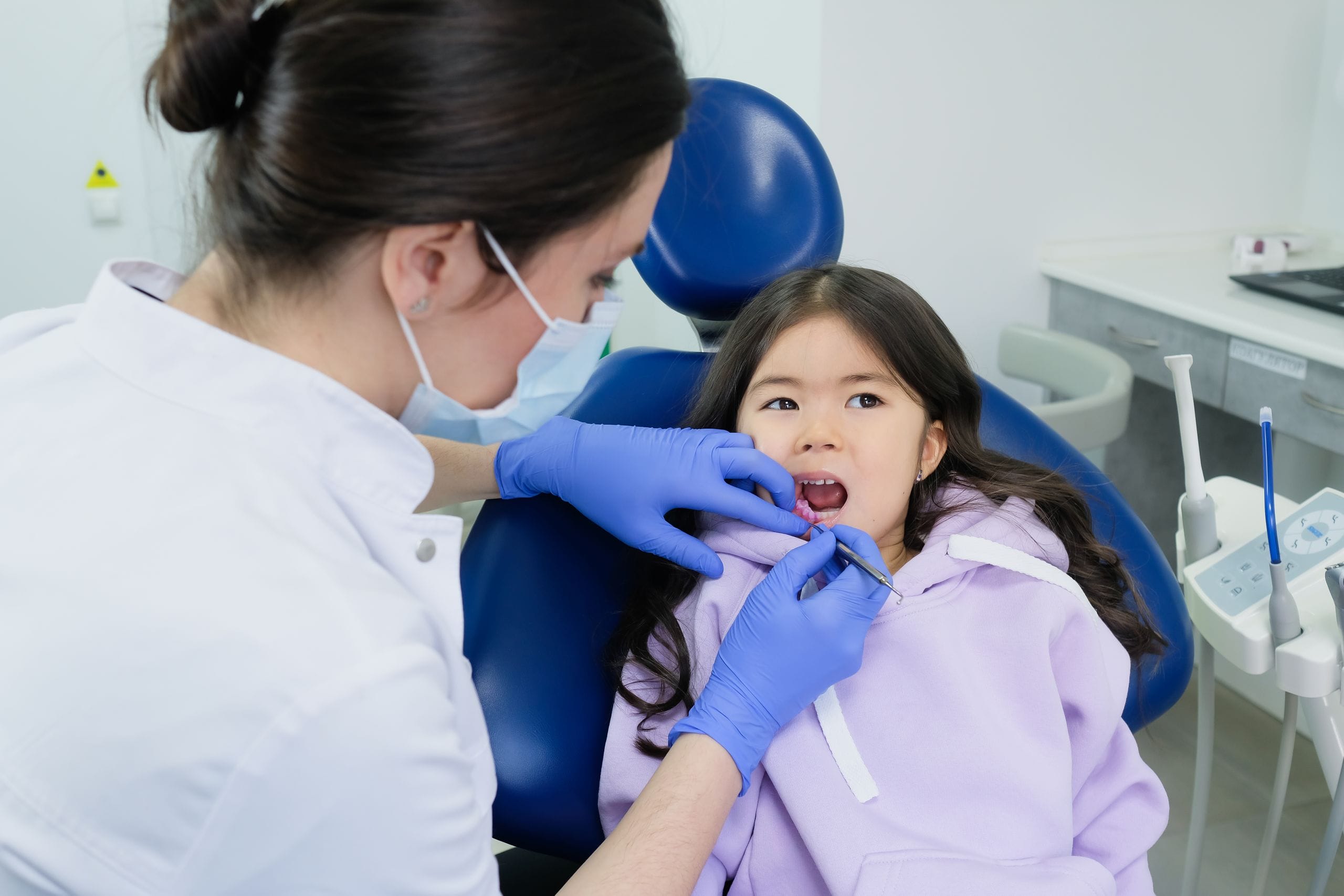
What Happens During a Children’s Dental Cleaning?
Knowing what to expect can make appointments easier for both parents and children.
A typical preventive dental visit may include several steps, although the exact process depends on the child’s age and oral health.
1. Dental Examination
The dentist checks the teeth, gums, and mouth for signs of cavities, inflammation, or developmental concerns.
They may also evaluate how the teeth are coming in and whether there are any issues with the child’s bite.
2. Plaque and Tartar Removal
A dental hygienist or dentist gently removes plaque and hardened tartar from the teeth.
Professional dental cleaning for kids helps address buildup that brushing and flossing at home may not completely remove.
Dental professionals use techniques appropriate for a child’s age, comfort level, and individual needs.
3. Tooth Polishing
When appropriate, the dental team may polish the teeth to remove surface stains and remaining plaque.
This is often done using a small rotating brush or rubber cup with dental polishing paste.
4. Fluoride Treatment, If Recommended
Fluoride helps strengthen tooth enamel and protect against cavities.
Depending on a child’s age and cavity risk, the dentist may recommend a professional fluoride treatment.
Fluoride varnish is one common option. It is painted directly onto the teeth and generally takes only a short time to apply.
Not every child needs exactly the same preventive treatments or schedule.
5. X-Rays, When Necessary
Dental X-rays may help identify cavities between teeth or monitor developing teeth that cannot be fully evaluated during a visual examination.
However, X-rays are not automatically necessary at every appointment.
The dentist determines when they are appropriate based on the child’s age, dental history, examination findings, and individual risk factors.
6. Home Care Recommendations
Before the visit ends, the dental team may offer guidance on brushing techniques, flossing, nutrition, and other habits that affect oral health.
This is also a good opportunity for parents to ask questions about anything they’ve noticed at home.
When Should Children Start Going to the Dentist?
Dental care should begin much earlier than many parents realize.
The AAPD recommends establishing a dental home within six months of the first tooth appearing and no later than a child’s first birthday.
These early visits may look different from the dental cleanings older children receive.
For babies and toddlers, an appointment may focus primarily on examining the mouth, monitoring tooth development, evaluating cavity risk, and helping parents learn how to care for emerging teeth.
Starting early also gives children the opportunity to become comfortable with dental appointments before treatment is needed.
How to Keep Your Child’s Teeth Healthy Between Cleanings
Professional dental cleanings are important, but what happens at home every day matters just as much.
Here are some simple habits that can help protect your child’s teeth between appointments.
Brush Twice a Day
Children should brush their teeth twice daily using fluoride toothpaste.
For children younger than three, a smear approximately the size of a grain of rice is recommended. Children ages three through six should generally use a pea-sized amount.
Young children need help brushing effectively, and many school-aged children still benefit from parental supervision.
Don’t Forget Flossing
Once teeth begin touching, brushing alone may not adequately clean the areas between them.
Flossing helps remove plaque and food particles from these spaces.
Parents will often need to help younger children floss until they develop the coordination to do it effectively.
Pay Attention to Snacks and Drinks
Kids love snacks, and there’s nothing wrong with enjoying treats occasionally.
However, frequently sipping sugary drinks or snacking throughout the day can increase the amount of time teeth are exposed to sugars that contribute to decay.
Try offering water between meals and providing a variety of nutritious foods.
For younger children, homemade snacks like these healthy toddler yogurt bites are an easy option made with plain yogurt and fruit, without added sugar.
Even nutritious snacks contain natural sugars, so maintaining good brushing habits is still important.
Make Dental Care Part of Your Daily Routine
One of the easiest ways to help children develop healthy habits is to make them part of everyday life.
Brushing teeth after breakfast and before bedtime can become as familiar as getting dressed or preparing for school.
It doesn’t have to involve a rigid schedule, either. Just like creating a flexible daily homeschool routine, the goal is to establish consistent expectations that work for your family.
For younger children, a visual checklist or a favorite toothbrushing song can make the routine more engaging.
How to Help Kids Feel Comfortable at Dental Appointments
It’s normal for some children to feel nervous about going to the dentist, especially when they’re unfamiliar with the equipment or don’t know what to expect.
A little preparation can make the experience easier.
Talk about the appointment beforehand. Explain that the dentist will count their teeth, check their smile, and help keep their mouth healthy.
Read a book about visiting the dentist. Picture books can introduce children to the experience in a familiar, age-appropriate way.
Practice through pretend play. Let your child pretend to examine a stuffed animal’s teeth or take turns playing dentist.
Avoid frightening language. Instead of talking about whether something will hurt, use calm, neutral explanations and encourage your child to ask questions.
Schedule appointments thoughtfully. Younger children may do better earlier in the day or at a time when they are usually well-rested.
Offer encouragement afterward. Praise your child for cooperating, asking questions, or trying something unfamiliar, even if the appointment was challenging.
The goal isn’t to make every dental visit perfect. It’s to help your child gradually become more comfortable with routine care.
Signs Your Child May Need to See the Dentist Sooner
Routine cleanings are generally scheduled months apart, but parents shouldn’t wait until the next appointment if something seems wrong.
Contact your child’s dentist if you notice:
- Persistent tooth pain or sensitivity.
- Swollen, red, or frequently bleeding gums.
- White, brown, or dark spots developing on the teeth.
- A chipped, broken, or injured tooth.
- Ongoing bad breath that doesn’t improve with regular oral hygiene.
- Discomfort while chewing or changes in eating habits.
A dentist can determine whether these symptoms require treatment or additional preventive care.
Severe pain, facial swelling, or signs of infection should be evaluated promptly.
Final Thoughts: How Often Should Kids Get Dental Cleanings?
For most children, a professional dental cleaning approximately every six months is a good starting point.
However, every child’s oral health is different. Some children may need more frequent appointments, while others can follow a routine preventive care schedule recommended by their dentist.
The most important thing is establishing consistent dental habits early.
Regular checkups, twice-daily brushing, flossing, and healthy eating habits all work together to protect children’s teeth as they grow.
By making dental care a normal part of family life, parents can help children build habits that support healthy smiles well into adulthood.