

11 Comfortable Play Clothes for Active Kids
Some of the content in this post was provided by a contributor. We only share resources we think are helpful.
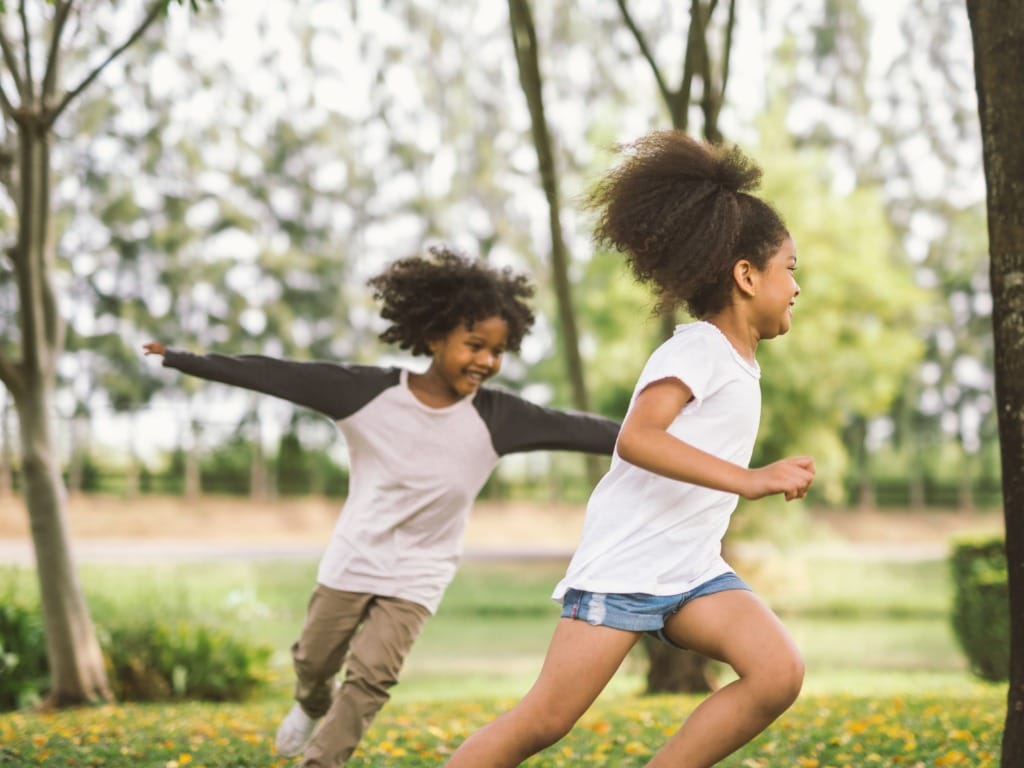
Kids are constantly on the move. One minute they’re climbing at the playground, and the next they’re kneeling in the grass, riding bikes, or spreading craft supplies across the floor. Clothing that pinches, slides down, or restricts movement can make those everyday adventures less comfortable.
The best play clothes for kids don’t have to be fancy. Soft fabrics, a comfortable fit, and easy-to-manage fasteners can make a big difference. Here are 11 clothing options to consider, along with simple ways to tell whether they’ll work for your child.
1. Pants With Adjustable Waistbands
Pants with adjustable waistbands are especially useful when kids need one size for the length but a different fit around the waist. An adjustable waist can help keep pants in place without making the legs too snug, leaving more room for bending, climbing, and sitting comfortably.
Look at how the waistband adjusts. Some pants have buttons and elastic tabs inside, while others use a drawstring. Choose a style your child can manage, or set the fit before they head out to play. Being able to handle clothing independently is one small but useful everyday skill, and it’s something I also explore in my post about encouraging independence at home.
2. Soft, Stretchy Leggings
Leggings are a practical option for kids who like a close-fitting pant that moves with them. Stretchy fabric makes it easier to squat, sit cross-legged, and climb without bulky material bunching behind the knees.
Check that the waistband stays in place and the fabric isn’t see-through when stretched. Comfort is personal, too: some children love snug leggings, while others prefer loose clothing. Giving kids a say in what feels comfortable is especially helpful for those who are sensitive to certain textures or seams.
3. Comfortable Joggers
Joggers offer more room through the hips and thighs than many leggings, with tapered or cuffed ankles that keep extra fabric out of the way. They’re a great choice for playground trips, bike rides, and casual days at home.
Look for soft fabric and ankle cuffs that stay put without squeezing. Have your child crouch and sit while trying them on; the waistband and cuffs should still feel comfortable when they’re moving.
4. Stretch Jeans
Jeans don’t have to be reserved for days without much activity. Denim with a little stretch can make it easier for kids to bend, kneel, and move than stiff, rigid jeans.
The fit matters as much as the fabric. Make sure your child can squat without the jeans pulling tightly across the thighs or seat, and check that the waistband doesn’t dig in when they sit down.
5. Easy-to-Move-in Knit Shorts
For warm-weather play, knit shorts are lightweight and flexible. They’re comfortable for running around the backyard, playing at the park, or sitting on the ground for a nature activity.
Choose a soft waistband and leg openings with enough room for crouching. Shorts that constantly ride up or catch behind the knees may not be the best fit. If you need a fun reason to head outside, try our nature scavenger art activity with free printables.
6. Stretchy T-Shirts
A comfortable T-shirt is one of the easiest playtime staples. Soft cotton knits and other flexible fabrics allow kids to reach, stretch, and twist whether they’re on the playground or working on a hands-on project.
Ask your child to lift both arms and reach forward while trying on a shirt. It shouldn’t pinch under the arms or feel tight across the shoulders. A comfortable T-shirt is especially useful for active days filled with playground adventures, outdoor exploration, and hands-on activities.
7. Raglan-Sleeve Tops
Raglan sleeves have seams that angle from the neckline toward the underarms rather than sitting directly on the shoulders. Depending on the fabric and cut, that design can give children extra freedom when they lift or extend their arms.
Still, a raglan sleeve doesn’t automatically mean a shirt fits well. Check for comfortable space across the chest and under the arms, especially when your child reaches overhead.
8. Stretch Skorts
Skorts combine the look of a skirt with shorts underneath. They can be a comfortable option for children who enjoy wearing skirts but also want to run, climb, and play without constantly adjusting their clothes.
Look for stretchy undershorts that stay in place without digging into the thighs. Your child should be able to bend, squat, and stand back up without pulling the shorts down every time.
9. Soft Knit Dresses
A soft knit dress with a relaxed skirt can be just as easy to play in as a T-shirt and shorts. The key is enough room around the legs for full steps, crouching, and sitting on the floor.
Pay attention to length as well as stretch. Very long hems can get trapped under a child’s knees during floor play, so a shorter, comfortable style may be more practical for an active day.
10. Flexible Overalls
Overalls can be a fun choice for kids who prefer not to have a waistband pressing around their stomach. Stretchy or relaxed-fit styles offer room for bending and kneeling, and the shoulder straps help hold everything in place.
Check that the straps don’t pull when your child crouches. It’s also worth considering whether they can undo the fasteners and manage bathroom trips independently.
11. Roomy Sweatshirts
A soft sweatshirt adds warmth on chilly days without requiring kids to give up freedom of movement. Look for a relaxed fit that layers comfortably over a T-shirt without pulling across the shoulders.
The sleeves should reach the wrists but not cover the hands, especially for climbing or using playground equipment. For more ways to enjoy fresh air in any season, explore my ideas for helping kids love the outdoors.
How to Tell Whether Play Clothes Really Fit
A size label only tells you so much. Before taking off the tags, let your child move around in the outfit the way they normally would. Ask them to:
- Raise both arms overhead without the shirt pulling or pinching.
- Squat, kneel, and sit on the floor without the waistband digging in.
- Walk, jog, or jump without the pants sliding down or hems getting in the way.
- Put on and take off the clothes with an age-appropriate level of independence.
If something needs constant tugging or adjusting during this quick movement test, try a different size, cut, or fabric. And if your child notices scratchy seams or tight elastic, take that feedback seriously. Just as with sensory play, children can have very different preferences for textures and physical sensations.
Comfortable Clothes Make More Room for Play
The right play clothes for kids are the ones that let them focus on exploring, creating, and having fun instead of adjusting uncomfortable outfits. Whether your child prefers leggings, joggers, jeans, or dresses, prioritize a fit that moves with them and fabrics they genuinely enjoy wearing.
And remember that comfort isn’t one-size-fits-all. Some kids prefer stretchy, snug clothing; others want plenty of room. Letting your child help choose what feels best can make getting dressed—and getting out to play—a little easier.