


Roasted Carrot + Dill Baby Food Puree
This post was updated on October 18, 2026.

As an Amazon Associate, I earn from qualifying purchases. This post may contain affiliate links. Read my disclosure policy.
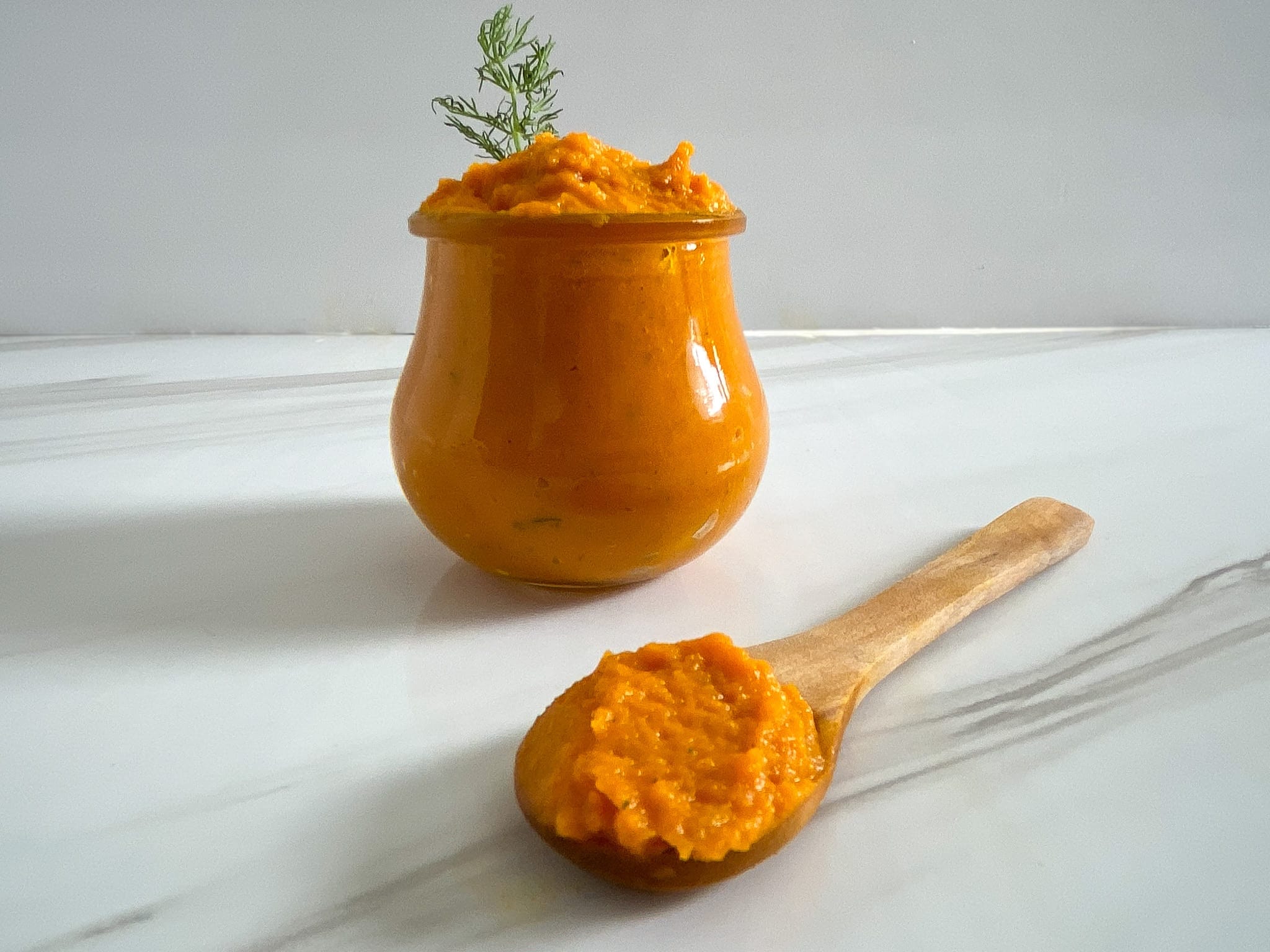
This creamy Roasted Carrot + Dill Baby Food Puree combines naturally sweet roasted carrots with fresh dill and unsweetened coconut milk. It’s an easy homemade baby food recipe with a delicious flavor, perfect for introducing babies who are ready for solids (typically around 6 months) to something a little different.
Why You’ll Love This Roasted Carrot Baby Food Puree
While carrots are delicious in just about any form, roasting them is my favorite way to prepare them. A little olive oil and time in the oven bring out their natural sweetness and give them a wonderful flavor.
Fresh dill complements the sweetness of the carrots, but my secret ingredient is coconut milk. Just a little makes the puree creamy and rich without overpowering the carrots. It’s a combination the rest of the family can enjoy, too!
What Kind of Coconut Milk Should You Use?
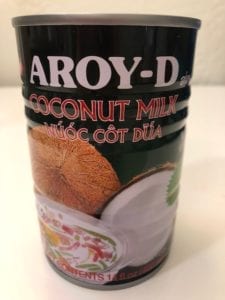
Coconut milk varies quite a bit from brand to brand. Some products are thick and creamy, while others are much thinner or contain added sweeteners. For this recipe, choose plain, unsweetened canned coconut milk rather than a sweetened coconut milk beverage. You only need two tablespoons.
I’ve enjoyed using Aroy-D coconut milk in this puree because of its creamy consistency. You can find it in many Asian grocery stores, or purchase it online here. Check the label, since ingredients and formulations can change.
How to Store Homemade Carrot Baby Food
Refrigerate homemade baby food promptly in a clean, airtight container and use it within 1–2 days. Discard anything left in a bowl your baby has eaten from, rather than returning it to the refrigerator.
You can also freeze this puree in small portions for 1–2 months for best quality. Thaw in the refrigerator and stir well before serving. For more tips, see my guide on making and storing homemade baby food in bulk.
These baby food freezer storage trays are convenient for portioning puree into small servings. I like that the lids fit snugly and the trays stack easily.
What Nutrients Are in This Carrot Puree?
Carrots provide beta-carotene, which the body converts into vitamin A to support normal vision, growth, and immune function. They also contribute fiber.
Dill adds a gentle herbal flavor and helps introduce your baby to a wider variety of tastes. It’s used in a small amount here, so the nutritional contribution is modest.
Coconut milk adds creaminess and fat to the puree. Use unsweetened coconut milk as an ingredient, not as a replacement for breast milk or infant formula. This puree is one part of a varied diet that includes iron-rich foods.
Easy Variations and Serving Ideas
If your baby is ready for a thicker texture, try mixing in a little well-cooked quinoa. It adds variety and some protein without changing the flavor too much.
Fresh parsley makes a lovely alternative to dill if you want to change up the flavor.
This puree isn’t just for babies! Serve it as a family side dish in place of mashed potatoes. You can season the adult portions to taste after setting aside your baby’s serving.
How to Make Roasted Carrot + Dill Baby Food Puree

Ingredients:
- 4 large carrots
- 2 teaspoons extra-virgin olive oil
- 2 tablespoons coconut milk
- 4 teaspoons fresh dill
- 1/4 cup water, breast milk, or baby formula, plus more as needed
Equipment:
Step 1: Preheat the oven.
Preheat your oven to 400°F and line a baking sheet with parchment paper.
Step 2: Prepare the carrots.
Wash and peel the carrots, then cut them into pieces approximately 1 inch by 1/2 inch so they roast evenly.

Step 3: Roast the carrots.
Toss the carrots with the olive oil until evenly coated. Spread them on the lined baking sheet and roast for 15 minutes.


Step 4: Add the dill.
Sprinkle 2 teaspoons of the fresh dill over the carrots. Roast for another 15 minutes, or until the carrots are very tender and easily mashed with a fork.

Step 5: Blend until smooth.
Let the carrots cool slightly, then add them to a blender or food processor with the remaining 2 teaspoons of fresh dill, the coconut milk, and the water. Blend until smooth, adding a little more liquid if needed. If using breast milk or prepared formula instead of water, add it after the hot carrots have cooled. Serve at a safe temperature in a texture appropriate for your baby.


Note: A blender will generally give you a smoother puree than a food processor, especially when working with ingredients that have skins or fibers.
If you’re looking for an extra-smooth consistency, a high-powered blender can be especially helpful.
Although I’m using a high-powered blender to showcase this recipe, I actually made a lot of homemade baby food for my kids using a food processor!
As my babies became more comfortable eating solids, I liked introducing different age-appropriate textures instead of serving only perfectly smooth purees. Offering a variety of textures helps babies develop their eating skills as they grow.
In fact, this KitchenAid food processor is the one I used. I loved it because it was compact enough for my small kitchen but still powerful enough to make homemade baby food.
Ultimately, you don’t need any special equipment to make baby food. Whether you use a blender or food processor, the most important thing is preparing the puree to a consistency that’s appropriate for your baby’s developmental stage.

More Homemade Baby Food Recipes to Try
- Okinawan Sweet Potato Baby Food Puree
- Red Pepper + Sweet Potato Baby Food Puree
- Cucumber + Melon Baby Food Puree
- Peach + Coconut Quinoa Baby Cereal
- Mango Baby Food Puree, Three Ways
Frequently Asked Questions
When can babies have roasted carrot puree?
Babies can usually try smooth carrot puree when they show signs of readiness for solid foods, typically around 6 months. Offer a texture that matches your baby’s feeding skills.
Can babies have dill and coconut milk?
Small amounts of fresh dill and plain, unsweetened coconut milk can be used as ingredients in an age-appropriate puree. Introduce unfamiliar ingredients individually when appropriate, and remember that coconut milk is not a substitute for breast milk or infant formula.
Can I freeze roasted carrot puree?
Yes! Divide the puree into small portions, freeze promptly, and use within 1–2 months for best quality. Thaw safely in the refrigerator.
Feeding disclaimer: This recipe is intended for babies who are developmentally ready for solid foods, typically around 6 months. It is general information, not personalized medical advice. Serve foods in safe, age-appropriate textures, and ask your pediatrician about feeding readiness, allergies, or special nutritional needs.
Roasted Carrot + Dill Baby Food Puree
Ingredients
Method
- Preheat your oven to 400°F (200°C). Line a baking sheet with parchment paper.
- Wash and peel the carrots, then cut them into approximately 1-inch by 1/2-inch pieces.
- Toss the carrots with the olive oil until evenly coated. Spread them in a single layer on the prepared baking sheet. Roast for 15 minutes.
- Remove the baking sheet from the oven and sprinkle 2 teaspoons of fresh dill over the carrots. Return to the oven and roast for another 15 minutes, or until the carrots are very soft and easily mashed with a fork.
- Allow the carrots to cool slightly. Transfer them to a blender or food processor with the remaining 2 teaspoons of dill, coconut milk, and water. Blend until smooth, adding a little more liquid as needed to reach your desired consistency.
- Allow the puree to cool to a safe serving temperature. Check the texture before serving to ensure it is appropriate for your baby's developmental stage.
Notes
-
Recipe Tips:
- Roasting brings out the carrots’ natural sweetness and gives this puree a richer flavor.
- Use plain, unsweetened canned coconut milk without added sugar.
- For a smoother puree, use a high-powered blender and add small amounts of liquid as needed.
- Substitute fresh parsley for the dill to try a different flavor.
- For babies ready for thicker textures, mix in a little well-cooked quinoa.
- Refrigerate promptly in an airtight container for 1–2 days or freeze in individual portions for 1–2 months.
- Discard any leftovers from your baby’s serving bowl.