

How Classic Storytelling And Educational Books Help Preserve Family Values
Some of the content in this post was provided by a contributor. We only share resources we think are helpful.
The South has always had a rich storytelling tradition. From front porch conversations to bedtime stories passed down through generations, storytelling remains one of the strongest ways families connect with one another. Long before screens became part of everyday life, stories taught children about kindness, resilience, faith, respect, and the importance of strong family bonds.
Today, educational books continue that tradition in meaningful ways. While modern families face changing schedules, digital distractions, and evolving educational systems, many parents still want to preserve the values that matter most to their households. Classic storytelling and educational literature help families do that by creating moments of connection while teaching important life lessons.
Books have become more than entertainment. They also serve as tools for character development, independent thinking, literacy growth, and shared family learning experiences that bring generations together.
The Tradition Of Storytelling
Storytelling has long played an important role in family culture. Families gathered around dinner tables, porches, and living rooms to share memories, local history, and lessons learned through experience. Stories were not simply told for amusement. They carried wisdom from one generation to the next.
Grandparents often shared stories about overcoming hardships, building communities, or helping neighbors during difficult times. Parents used stories to teach manners, honesty, patience, and responsibility. Children learned how to navigate life by listening to the experiences of those who came before them.
This tradition helped create strong family bonds because storytelling encouraged conversation. It gave children a sense of identity and belonging while helping them understand what values their families considered important.
Even as technology changes how families communicate, storytelling remains a timeless way to strengthen relationships and preserve traditions across generations.
Why Educational Books Still Matter
Modern educational books build on the same principles that traditional storytelling has always supported. They combine engaging narratives with lessons about critical thinking, responsibility, creativity, and personal growth.
Children often absorb information more effectively when ideas are presented through stories. Characters, adventures, and emotional experiences help young readers connect with lessons in meaningful ways. Educational books encourage curiosity while helping children understand real-world concepts in ways that feel approachable and age appropriate.
Parents also appreciate educational literature because it creates opportunities for shared learning. Reading together allows families to discuss important topics openly. Conversations about honesty, leadership, financial responsibility, perseverance, and kindness often begin with a story.
Educational books also support literacy development, which remains essential for academic success and lifelong learning. Strong reading habits help improve vocabulary, comprehension, communication skills, and confidence.
For many families, books offer a balanced alternative to constant digital entertainment. Reading encourages slower, more intentional moments that help families reconnect with one another.
Teaching Values Through Stories
One reason storytelling remains so powerful is its ability to teach values without feeling overly instructional. Stories allow children to see how decisions shape outcomes. They help young readers understand empathy, accountability, courage, and integrity through relatable experiences.
Many families place strong emphasis on respect, hospitality, faith, hard work, and community involvement. Educational books can reinforce these principles while also introducing children to broader perspectives and important life skills.
For example, stories about teamwork can teach children the importance of helping others. Books centered on perseverance show readers how determination can help people overcome challenges. Historical narratives often provide insight into sacrifice, leadership, and resilience.
When children emotionally connect with characters, lessons become easier to remember. Rather than simply memorizing rules, they begin to understand why certain values matter in everyday life.
This emotional connection is one of the reasons storytelling continues to be such an effective teaching tool across generations.
Creating Family Connections Through Reading
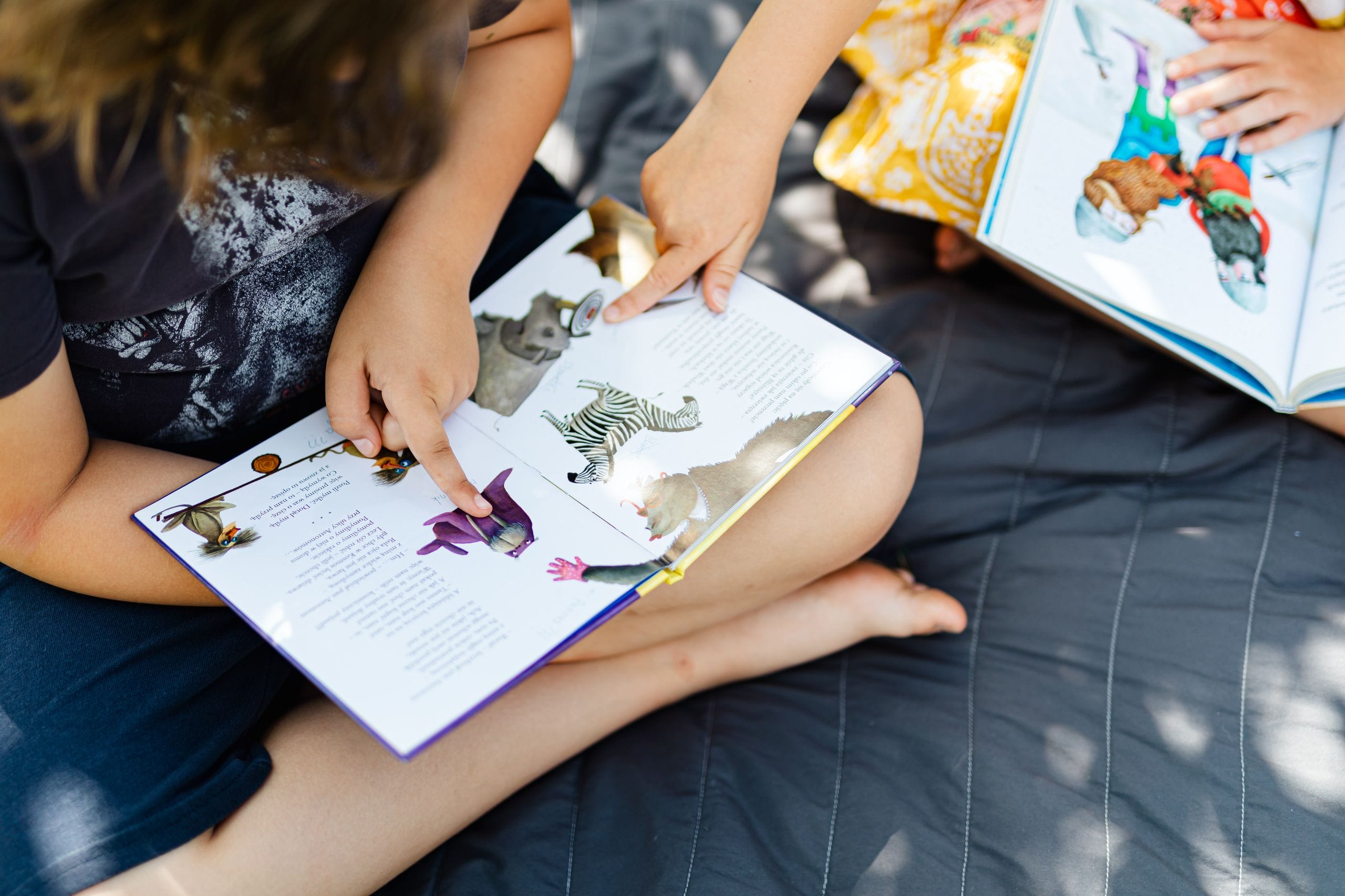
Reading together creates meaningful family experiences that many parents value deeply. In busy households, finding opportunities for quality time can sometimes feel difficult. Books provide a simple yet effective way for families to slow down and connect.
Bedtime reading remains one of the most cherished traditions in many homes. These quiet moments create emotional security while strengthening parent-child relationships. Children often remember these experiences long after they grow older.
Family reading time also encourages open communication. Parents can ask questions about the story, discuss characters’ decisions, and explore how lessons apply to real life. These conversations help children develop critical thinking skills while feeling heard and supported.
Educational reading can also involve multiple generations. Grandparents sharing favorite childhood books with grandchildren helps preserve family traditions while introducing younger readers to timeless lessons.
In many homes, storytelling continues to serve as a bridge between generations, connecting the past with the future.
Balancing Tradition With Modern Learning
Today’s educational resources have evolved significantly, but many still reflect the timeless principles found in classic storytelling. Families now have access to books that combine engaging narratives with lessons about economics, entrepreneurship, history, personal responsibility, and creative thinking.
Some parents seek educational tools that encourage independent thought while remaining family friendly and accessible. Resources like tuttletwins.com, for example, introduce children to important life concepts through entertaining stories and age-appropriate learning materials. These types of educational books allow families to blend traditional storytelling values with modern educational goals.
The growing popularity of homeschooling and supplemental learning resources has also increased interest in educational literature that aligns with family values. Many parents want children to learn practical life skills alongside traditional academic subjects.
Books that encourage curiosity and thoughtful discussion help children become more engaged learners both inside and outside the classroom.
The Role Of Literature In Preserving Culture
Stories help preserve more than values. They also preserve traditions, shared experiences, and cultural identity.
When children read stories connected to family traditions and community experiences, they develop a stronger understanding of their heritage. They begin to appreciate the customs, language, and experiences that shape their communities.
Educational books can also introduce children to historical perspectives that help them better understand the world around them. Literature creates opportunities to discuss history thoughtfully while encouraging empathy and awareness.
In a fast-changing world, storytelling helps families maintain a sense of continuity. It reminds children that while technology and society may evolve, core values still matter.
Books also help preserve the habit of thoughtful reflection. Reading encourages patience, imagination, and focus in ways that fast-paced digital content often cannot replicate.
Encouraging Independent Thinking
One of the greatest benefits of educational storytelling is its ability to encourage independent thinking. Stories naturally invite children to ask questions, consider different viewpoints, and analyze situations critically.
Rather than simply telling children what to think, well-written educational books encourage them to explore ideas for themselves. This process helps build confidence and decision-making skills that benefit children throughout life.
Parents increasingly recognize the importance of raising thoughtful, informed individuals who can navigate complex situations independently. Story-based learning supports that goal by presenting lessons in ways that feel engaging rather than restrictive.
Independent thinking does not mean abandoning family traditions or values. Instead, it allows children to understand those values more deeply while learning how to apply them in modern life.
This balance between tradition and growth reflects the lasting strength of family-centered learning.
Conclusion
Classic storytelling and educational books continue to play an important role in preserving family values. Through stories, families pass down wisdom, strengthen relationships, and teach lessons that remain relevant across generations.
In a world filled with distractions, books offer something increasingly valuable: connection. They create moments where families can learn together, share meaningful conversations, and reinforce the principles that matter most.
Whether through traditional tales shared on a front porch or modern educational literature enjoyed during family reading time, storytelling remains one of the most meaningful ways to preserve culture, encourage learning, and nurture strong family bonds for future generations.