



What Nobody Tells You About Living With a Roommate When You Have Kids
Some of the content in this post was provided by a contributor. We only share resources we think are helpful.
Sharing a home with a roommate is often associated with college students, young professionals, or empty nesters looking to offset rising rent. But more families are exploring shared living arrangements than many people realize. Whether driven by divorce, single parenthood, the rising cost of living, or simply the desire for extra support and companionship, raising children in a shared household has become increasingly common.
The experience, however, comes with challenges that rarely make it into everyday conversations about cohabitation. Beyond splitting bills and chores, parents face logistical, emotional, and social dynamics that childless roommates may never encounter. Understanding these realities before signing a lease can make a huge difference in creating a peaceful and supportive home environment for everyone involved.
1. The Financial Picture Is More Complex Than It Looks
On the surface, splitting rent and utilities sounds straightforward. But families naturally bring additional variables into the equation. Children use more water, generate more laundry, consume more electricity, and require more pantry space. Conversations about expenses need to go beyond a simple 50/50 split and address the realities of daily family life.
Some households agree on a tiered system where the parent contributes slightly more toward shared utilities, while others build in a flat “kid surcharge” for things like trash service or internet usage during school hours.
There are also hidden costs to consider, such as wear and tear on furniture, increased cleaning supplies, and even pest control if snacks become a regular fixture in common areas. Establishing these expectations in writing before moving in can help prevent resentment later on.
2. Boundaries Become Everything
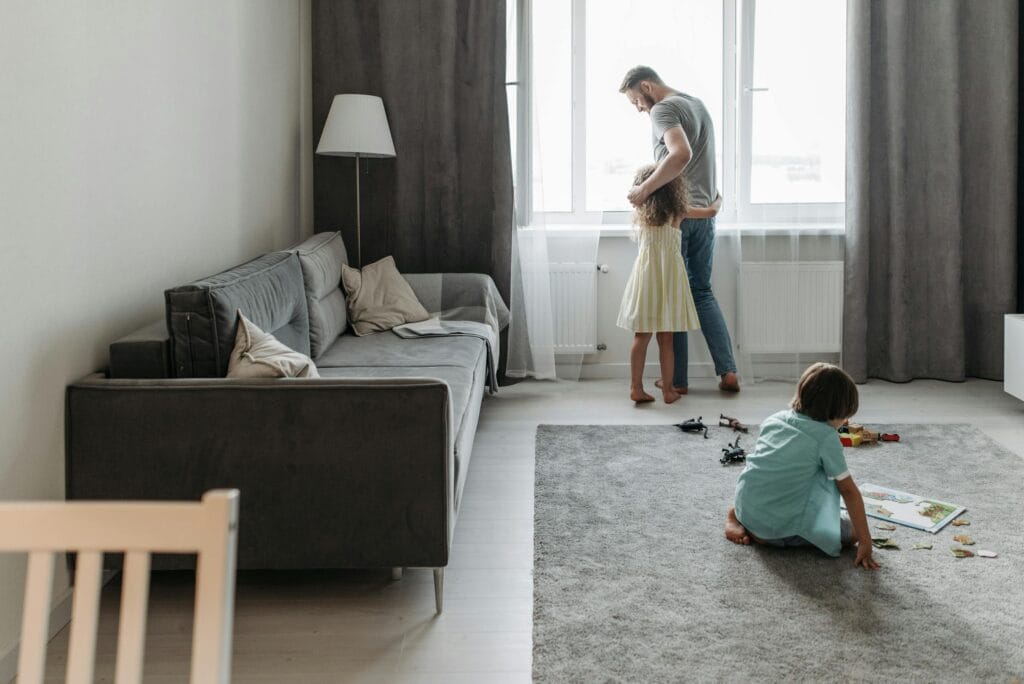
Adults without children often underestimate how much family life naturally spills into shared spaces. Toys migrate into the living room. School projects take over the kitchen table. A toddler’s early morning routine can interrupt a roommate’s sleep schedule.
Clear boundaries are essential, and they need to be discussed openly rather than assumed.
Successful parent-roommate households often designate “kid zones” and “adult zones,” even within shared areas. The living room might be open to play during certain hours, while a home office stays off-limits. Quiet hours should also be agreed upon, especially around bedtime routines, homeschool schedules, or busy mornings before school and activities.
Children thrive on consistency, and clear household expectations can help everyone feel more comfortable in a shared home.
The roommate should also feel comfortable expressing concerns without fear of being labeled anti-child. Mutual respect goes both ways, and a roommate’s need for personal space is just as valid as a child’s need to play freely.
3. Safety and Background Considerations
When children are part of the equation, vetting a potential roommate takes on added importance. Background checks, references from previous landlords, and honest conversations about lifestyle habits are not optional extras.
Parents should ask about substance use, overnight guests, work schedules, and prior experience living with families. A roommate who has nieces, nephews, or younger siblings may adjust more easily than someone who has never spent much time around children.
It is also important to talk about what role, if any, the roommate will play in the children’s lives. Some parents prefer that their roommate remain a friendly but separate presence, while others welcome a more involved dynamic. Neither approach is wrong, but both adults should be aligned from the beginning.
Finding the right match often takes patience. Some families use platforms like spareroom.com to connect with potential roommates whose lifestyle, schedule, and temperament align well with family life. Taking the time to find someone who respects the household dynamic can make shared living much smoother for everyone involved.
4. The Emotional Dynamics Are Often Overlooked
Children tend to form attachments quickly. A roommate who lives in the home for a year or two can become an important figure in a child’s daily life, which naturally raises questions about what happens if the living arrangement eventually changes.
Parents may want to think carefully about how to frame the relationship from the start. Is this person a friend, an aunt or uncle figure, or simply someone who shares the home? Setting age-appropriate expectations can help children process transitions more easily if they happen later.
There is also the parent’s emotional experience to consider. Living with another adult can ease the isolation that sometimes comes with single parenthood or provide welcome support during demanding seasons of life. At the same time, tension can develop if the roommate witnesses parenting decisions they disagree with or feels pressured to weigh in on discipline.
Establishing early that parenting decisions remain with the parent can help avoid many common conflicts.
5. Legal and Practical Logistics
Lease agreements, custody arrangements, and even school enrollment paperwork can become more complicated when another adult shares the home.
Parents in shared custody situations may want to check whether their custody agreement requires disclosing roommates to the other parent. Some agreements include clauses about who can reside in the household where children spend time.
Renters should also confirm that their lease permits the arrangement and that all adults living in the home are properly documented with the landlord. Renters insurance policies should also be reviewed, since coverage limits and liability terms can differ when multiple unrelated adults share a unit.
These administrative details are easy to overlook in the excitement of finding a compatible living situation, but they help protect everyone involved.
When the Arrangement Works, It Really Works
For all its challenges, sharing a home as a parent can also be deeply rewarding. Children benefit from seeing healthy adult relationships modeled outside the parent-child dynamic. Parents may gain practical support, whether that means having another adult home during a sick day or simply sharing conversation after the kids are asleep.
Costs become more manageable. Loneliness may ease. And in many cases, lasting friendships form between people who navigated family life together.
Like any living arrangement, shared family homes work best when communication, respect, and clear expectations are part of daily life. The right roommate is not simply someone who can help cover rent. Ideally, they are someone whose presence supports the overall rhythm and well-being of the household.
Living with a roommate while raising children is not necessarily a fallback or a last resort. For some families, it can be a thoughtful and sustainable way to create stability, support, and community within the home.