
Helping Kids Understand Where Food Really Starts
Some of the content in this post was provided by a contributor. We only share resources we think are helpful.
Kids often encounter food at the table, nowhere else. They see berries in a bowl, bread on a plate, and honey in a jar, but they do not always see the chain of soil, sunlight, water, insects, and human care that supports them. Helping kids understand where food really starts means slowing that chain down enough for them to notice it. Once kids start connecting food to real living systems, healthy eating stops feeling like a random rule.
Food Starts Long Before the Grocery Store
A young child may think food begins when groceries appear at home, missing all the steps that happen before. Food lessons work better when you pull food back to its true starting points, like seeds in soil or blossoms on plants. When kids see that apples, cucumbers, oats, and beans all begin as living things, they often ask better questions and pay more attention to what they eat.
Kids Learn Food Science Better When They Can See It
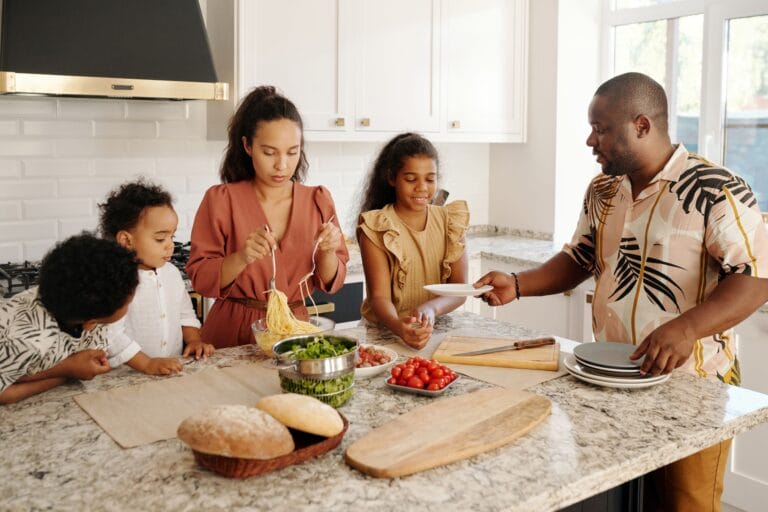
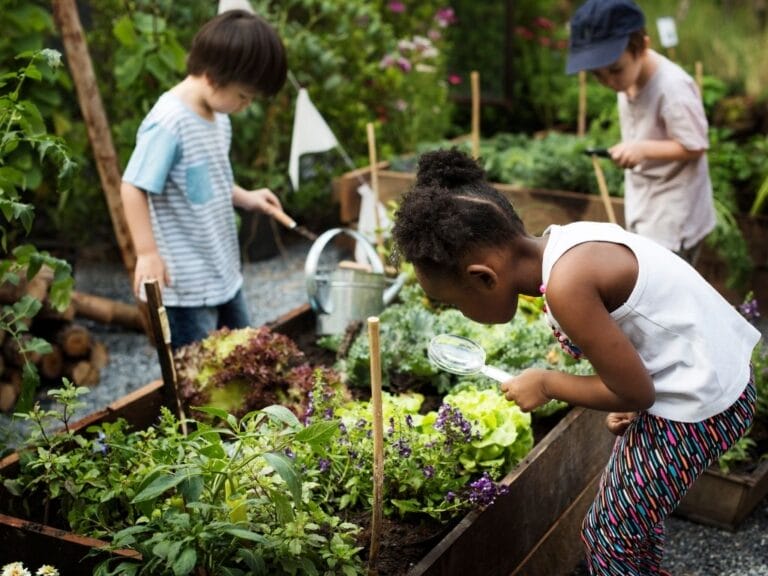
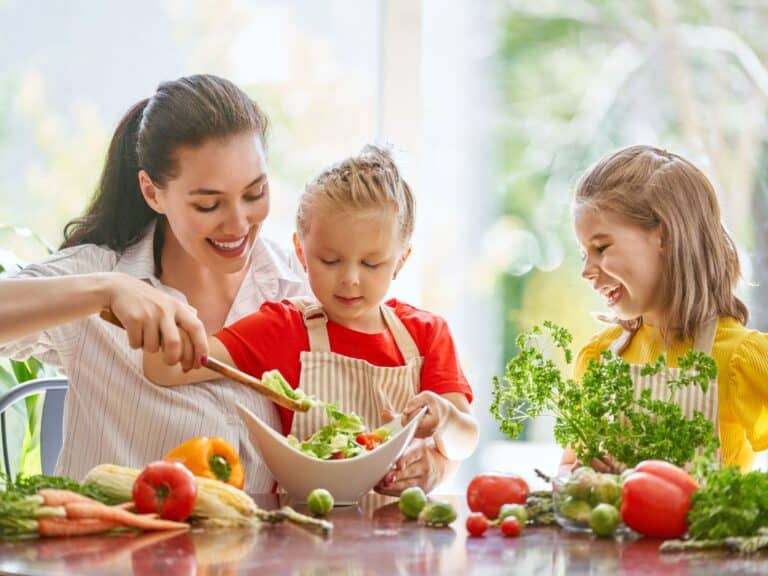
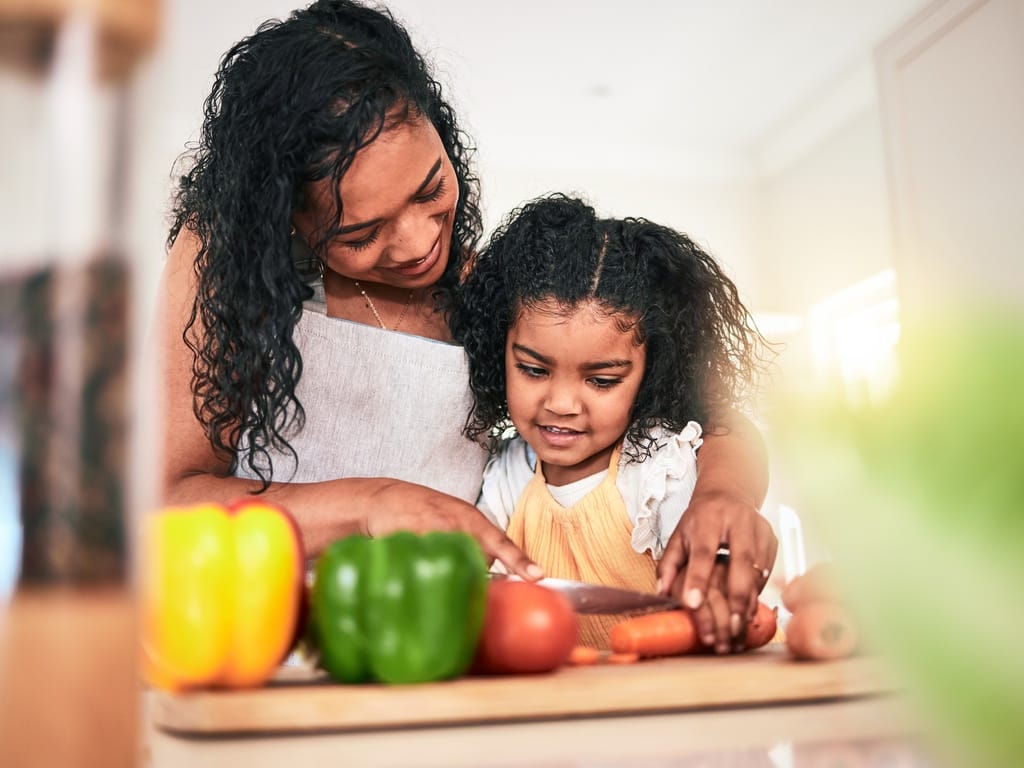
A child understands food better after watching tomato seedlings lean toward the light, touching basil leaves, or noticing that strawberries appear only in certain seasons. These moments build a foundation for healthy eating by reaching their senses first. Even a simple garden bed, a trip to the farmers market, or a cutting board of fresh ingredients can turn food science into something kids actually see and follow.
If you’re looking for a simple way to help kids see the process firsthand, we also have a fun bean sprouting activity where kids can watch seeds grow step by step. Our Grow Beans in a Bag activity gives children a close-up look at roots, stems, and early plant growth while encouraging questions about where food begins. Watching changes happen day by day can make food science feel much more real and exciting.
Pollinators Help Make the Lesson Real
Kids usually find bees interesting long before they understand why bees matter to the food on their plate. That makes pollinators a strong bridge between curiosity and food education, especially when you explain their role in ways that stay simple and concrete.
This is where understanding the parts of a beehive and their functions can support a broader food lesson, as it helps explain how bees live, store food, raise young, and support pollination, which helps many plants produce the food we eat.
Curiosity Changes the Way Kids Relate to Food
Children often resist foods that feel unfamiliar or forced. That response shifts when they know where a food came from, what helped it grow, and why it matters in a wider food system.
Kids who watch carrots pulled from the ground or learn how squash flowers rely on pollinators may not love each bite immediately, but typically bring more openness to the table. Curiosity won’t solve every struggle, but it creates interest that makes healthy food feel less random.
Make Food Conversations Engaging
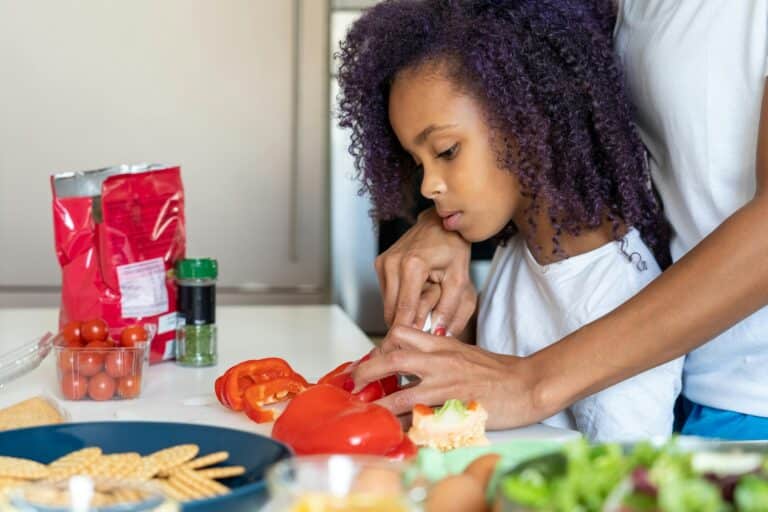
You don’t need a full farm unit every week to teach this well. A simple snack-time question, a quick look inside a sliced pepper, or a short conversation about where oats or eggs begin can do more than a speech. These moments help children see food as something grown, gathered, cared for, and prepared. Helping kids understand where food comes from becomes easier when you treat food education as an ongoing conversation, not a single big lesson your child is supposed to absorb all at once.