Why Plant Roots Need Air: A Simple Soil Science Lesson for Kids
Some of the content in this post was provided by a contributor. We only share resources we think are helpful.
Have your kids ever noticed that a plant looks droopy after a heavy rainstorm? It can feel confusing at first. If plants need water to grow, shouldn’t more water make them stronger?
Moments like this are perfect for turning everyday observations into simple science lessons. When children start asking questions about the world around them, they naturally begin to think like scientists.
Next time it rains, ask your child what they think is happening underground. That one small question can open the door to real scientific thinking.
What Roots Really Do
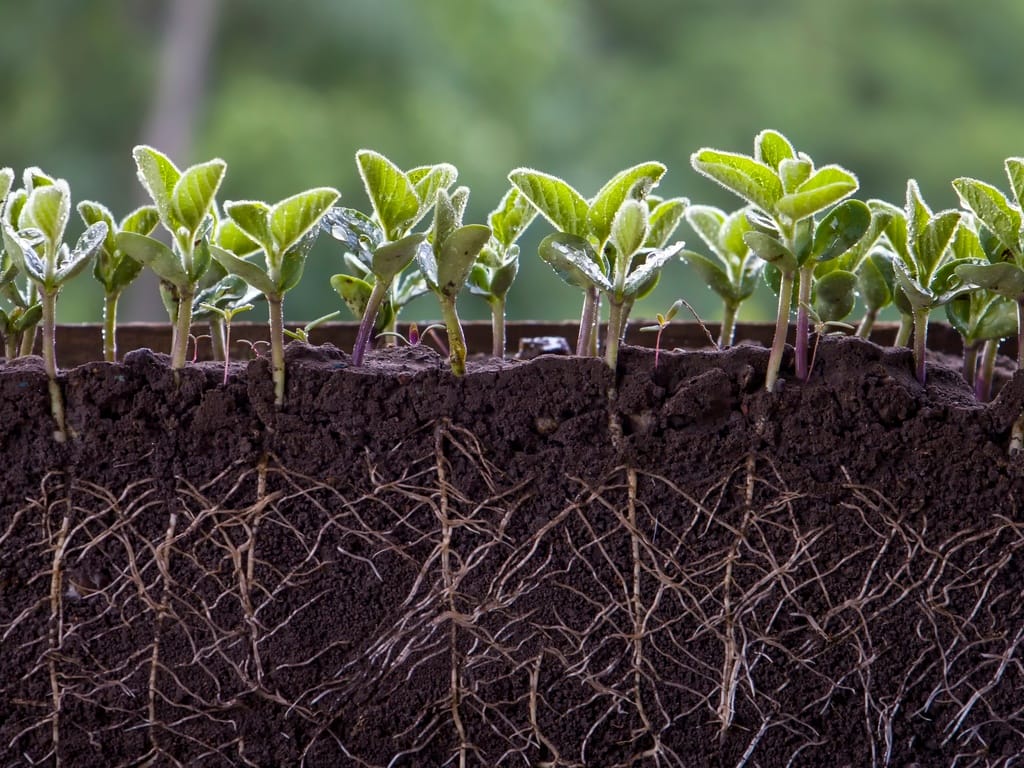
Roots have several important jobs:
- They anchor the plant in the soil
- They absorb water
- They take in nutrients that help the plant grow
But roots are living tissue, which means they also need oxygen to survive.
Healthy soil contains tiny air pockets between the soil particles. Roots use those spaces to access oxygen while they absorb water and nutrients. When soil becomes completely soaked, those air pockets fill with water and roots can’t get the oxygen they need. Over time, this can weaken the plant.
What Happens When Soil Stays Too Wet?
When soil drains well, it holds moisture but still leaves room for air. When it doesn’t drain well, it stays soggy and heavy.
Encourage your child to look for clues in the garden:
- Are leaves turning yellow?
- Does the plant look wilted even though the soil is wet?
- Are vegetables softer or slower to grow when the soil stays damp?
These signs may mean the roots are struggling to get enough oxygen.
When kids explore how water moves through different types of soil, it becomes much easier to understand why some plants struggle after heavy rain while others keep growing just fine.
A Hands-On Soil Drain Test
This simple activity turns curiosity into observation and helps children see how soil structure affects plant health.
What You’ll Need
- 3 clear plastic cups
- A small nail or pushpin (adult use only)
- Coffee filters
- Sand
- Garden soil
- Clay-heavy or compacted dirt
- 3 large containers
- Water
What Adults Will Do
- Use a pushpin or small nail to carefully poke five tiny holes in the bottom of each cup.
- Line the bottom of each cup with a coffee filter to keep soil from falling out.
- Place each cup over a larger container that will catch the water as it drains.
What the Kids Will Do
- Fill each cup with a different type of soil.
- Predict which soil will drain the fastest and which soil will hold water the longest.
- Pour the same amount of water into each cup and observe what happens.
- Watch carefully and compare the results.
What Questions To Ask
- Which soil drains quickly?
- Which stays soggy?
- How could plant roots get more air?
- Which soil might cause roots to struggle?
Encourage your child to sketch what they see or write down which soil drains fastest. These observations help them think like real scientists and remember what they discovered.
Bringing the Lesson Into Your Garden
After the experiment, step outside and gently check the soil near a plant a day after rainfall. Is it crumbly and damp, or sticky and waterlogged?
Science becomes exciting when children realize they can explain what’s happening beneath the surface. Once they understand why roots need air, gardening becomes more than just planting seeds — it becomes a living science lesson.
Plants need water to grow, but they also need air. And now your child knows why both are important for healthy roots.