

5 Homemade Baby Cereal Recipes
As an Amazon Associate, I earn from qualifying purchases. This post may contain affiliate links. Read my disclosure policy.

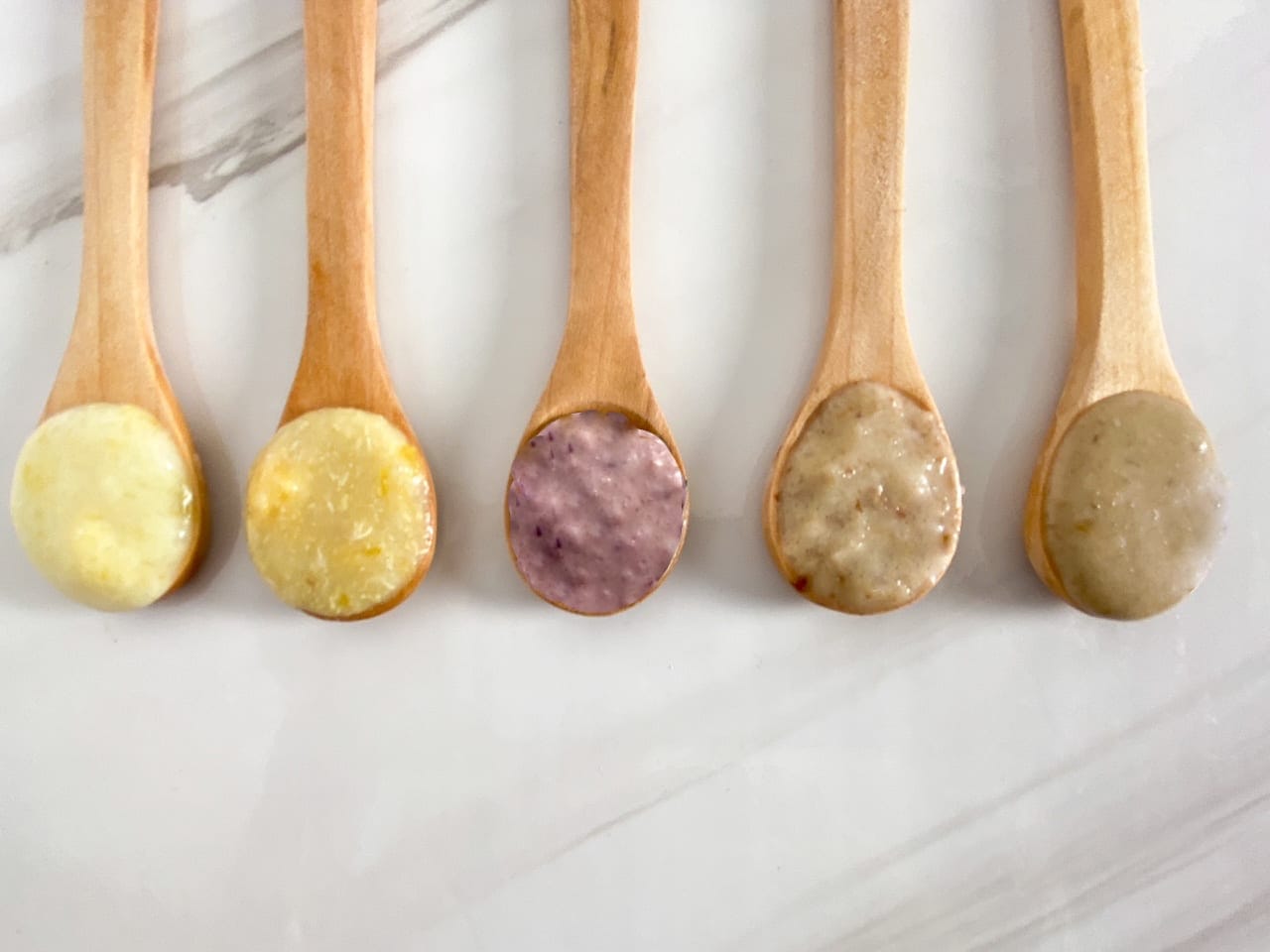
Looking for homemade baby cereal recipes with more flavor than plain oatmeal or rice cereal? These five baby cereal recipes combine familiar grains with fruit, spices, and other ingredients for easy, tasty breakfasts. They are great options to explore once your baby is developmentally ready for solid foods, typically around 6 months old.
When my kids were little, I loved making homemade baby food and experimenting with flavor combinations. Baby cereal does not have to be bland! These five recipes include rice, oats, and quinoa paired with ingredients such as banana, mango, cinnamon, and blueberries.
Although I originally called these stage 2 baby cereals, the best consistency depends on your baby’s feeding skills, not just their age. Serve the cereals soft and appropriately textured, and introduce unfamiliar ingredients individually when needed. For more ideas on making mealtimes enjoyable, read my guide to raising an adventurous eater.
5 Homemade Baby Cereal Recipes
1. Raisin + Cinnamon Rice Baby Cereal
Rice cereal gets a naturally sweet, cozy twist with raisins and cinnamon. It is a comforting way to explore a familiar grain with a new flavor. Be sure raisins are cooked until very soft and thoroughly blended or mashed into the cereal—whole raisins can be a choking hazard.

2. Peanut Butter + Banana Oatmeal Baby Cereal
Peanut butter and banana are a classic combination, and they pair beautifully with soft oatmeal. Peanut is a common allergen, but parents generally do not need to wait until after the first year to introduce it. Use smooth peanut butter thoroughly mixed into the cereal—not thick spoonfuls—and follow your pediatrician’s advice if your baby has severe eczema, an egg allergy, or another allergy concern.

3. Peach + Coconut Quinoa Baby Cereal
This peach and coconut combination gives well-cooked quinoa a creamy, fruity flavor. Quinoa contributes some protein and fiber, while ripe peaches add natural sweetness. Cook the quinoa until soft and adjust the texture to your baby’s developmental stage.

4. Blueberry + Almond Butter Oatmeal Baby Cereal
Blueberries and almond butter turn soft oatmeal into a flavorful breakfast. Almond is a tree nut allergen; when introducing it, use smooth almond butter thinned and fully incorporated into the cereal, never a thick spoonful. Blueberries should be cooked and mashed or blended as needed for a safe texture.

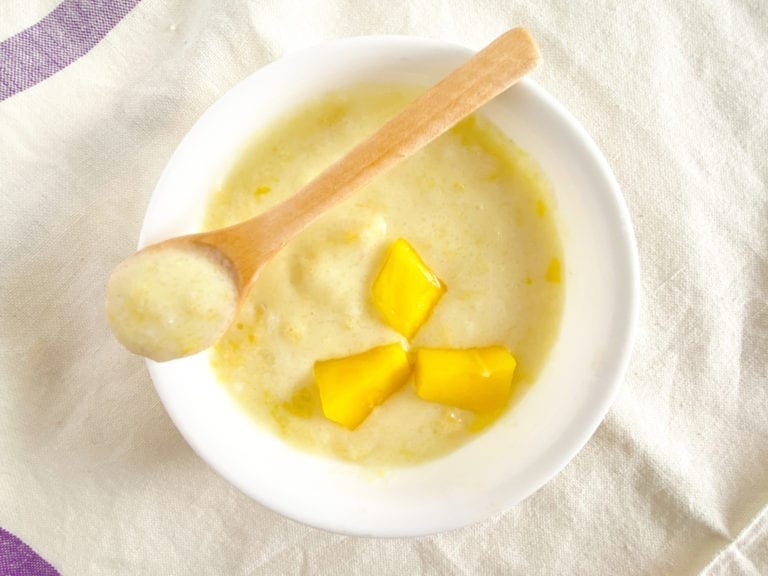
5. Mango + Coconut Rice Baby Cereal
Inspired by tropical flavors, this mango and coconut rice cereal is naturally sweet and creamy. Serve the rice thoroughly cooked and soft, with mango prepared to an appropriate texture. Because rice can contain arsenic, offer different grains over time rather than relying on rice cereal every day.

Tips for Serving Baby Cereal Safely
- Start solids when your baby shows developmental readiness, usually around 6 months.
- Cook grains until very soft and adjust the thickness as your baby learns to handle different textures.
- Offer iron-rich foods regularly. If you use infant cereal, an iron-fortified variety can help; these homemade recipes should be part of a varied diet.
- Introduce common allergens such as peanut and tree nuts in safe forms. Consult your child’s clinician about the best introduction plan if your baby has severe eczema or known allergies.
- Avoid honey before 12 months, added salt and sugar, and choking hazards such as whole raisins, whole nuts, and thick dollops of nut butter.
- Stay with your baby while they eat and serve foods while seated upright.
If you are interested in adding more variety to your baby’s diet, you might also enjoy my mango baby food purees, Okinawan sweet potato puree, and red lentil + carrot baby food mash.
How to Store Homemade Baby Cereal
Cool freshly prepared baby cereal promptly and refrigerate it in a clean, covered container. For conservative food safety guidance, use homemade baby food within 1–2 days in the refrigerator. Freeze individual portions for 1–2 months for best quality, and thaw in the refrigerator. If you have mixed in prepared infant formula or breast milk, follow the applicable handling and storage guidance for those ingredients as well.
Do not put unfinished food from your baby’s serving bowl back into storage. For more details, read my guide to storing homemade baby food.
Frequently Asked Questions About Baby Cereal
When can babies eat homemade cereal?
Babies can generally start eating appropriately prepared cereal when they are ready for solids, usually around 6 months. Readiness and safe texture matter more than a “stage” label.
Does baby cereal need to be bland?
No! You can add familiar fruits and modest amounts of herbs or spices to create new combinations. Avoid added sugar and salt.
Should I offer only rice cereal?
No. Offering a variety of grains, such as oats and quinoa, adds variety and helps avoid relying heavily on rice products.
Are peanut butter and almond butter safe for babies?
They can be introduced in age-appropriate, thinned forms once a baby is ready for solids, but they are allergens. Thick nut butter is a choking hazard. Ask your clinician for individual guidance if your baby is at increased allergy risk.
A Quick Baby-Feeding Reminder
Disclaimer: These recipes are intended for babies who are developmentally ready for solids, typically around 6 months of age. Prepare each ingredient and texture safely for your child’s feeding skills. For questions about allergies, feeding difficulties, or nutritional needs, consult your pediatrician. This article provides general information and is not individualized medical advice.
Which cereal would your baby enjoy most? I would love to hear which flavor combinations you try!