

Mango + Coconut Rice Baby Cereal
This post was updated on October 19, 2026.

As an Amazon Associate, I earn from qualifying purchases. This post may contain affiliate links. Read my disclosure policy.
This Mango + Coconut Rice Baby Cereal is a creamy, naturally sweet homemade baby cereal inspired by Thai mango sticky rice. Made with cooked rice cereal, ripe mango, coconut milk, and optional ginger, it is a fun way to introduce new flavors to babies who are developmentally ready for solid foods, typically around 6 months old. For more ideas on helping babies explore different tastes, see my guide to raising an adventurous eater.
Mango sticky rice is one of my favorite desserts to order at a Thai restaurant. The combination of sweet mango and creamy coconut rice inspired me to turn those familiar flavors into an easy homemade baby cereal. This version uses just a few ingredients and can be served smooth or slightly thicker, depending on your baby’s feeding skills.
What Ingredients Are in Mango + Coconut Rice Baby Cereal?
Cooked rice baby cereal provides carbohydrates for energy. If you use iron-fortified infant rice cereal, it can also contribute iron, an important nutrient for growing babies. Rice does not need to be the only grain you serve; offering oatmeal, barley, and other suitable grains adds variety.
Mango brings natural sweetness, fiber, and vitamin C. Ripe mango also blends easily into a smooth texture.
Ginger adds a gently warm flavor. It is optional, and you can begin with a tiny amount if your baby is still getting used to seasonings.
Unsweetened canned coconut milk makes the cereal creamier and adds fat. Use it as an ingredient in food, not as a replacement for breast milk or infant formula.
For another tropical flavor combination, try my Mango Baby Food Purees, 3 Ways, or browse my Okinawan Sweet Potato Baby Food Puree.
How long will homemade baby food last?
Refrigerate freshly made cereal promptly in a clean, airtight container and use it within 1–2 days. Discard any food remaining in a bowl your baby has eaten from.
For longer storage, freeze in small individual portions and use within 1–2 months for best quality. Thaw in the refrigerator rather than on the counter. Click here for more information, tips and tricks on storing homemade baby food.
I also like these baby food freezer storage trays for portioning homemade cereal. Their lids and stackable design make freezer storage easier.
How do you cut mango quickly?
Fresh, ripe mango works beautifully here, but thawed frozen mango is convenient too. If you are using fresh mango, wash it before cutting and remove all the skin and pit.
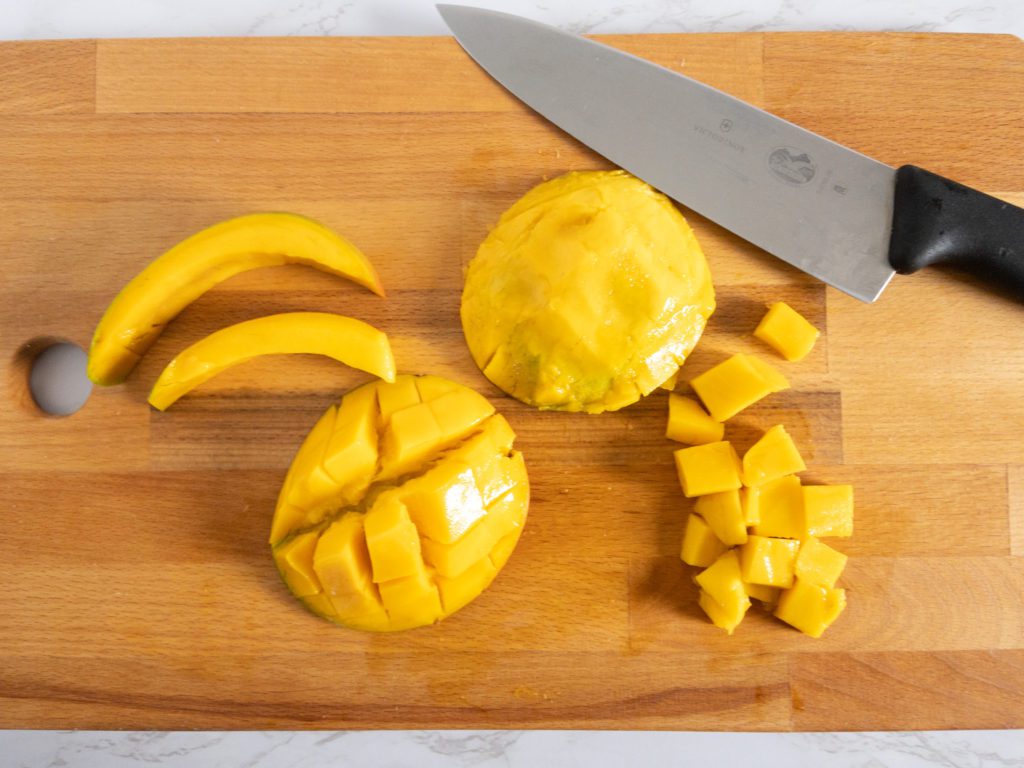
Mangoes have a wide, flat pit. Here is a quick way to prepare the flesh for your baby cereal:
Step 1: Cut around the pit. Stand the washed mango upright on a cutting board. Carefully slice down either side of the flat pit to remove the two mango cheeks, then trim any remaining flesh from around the pit.
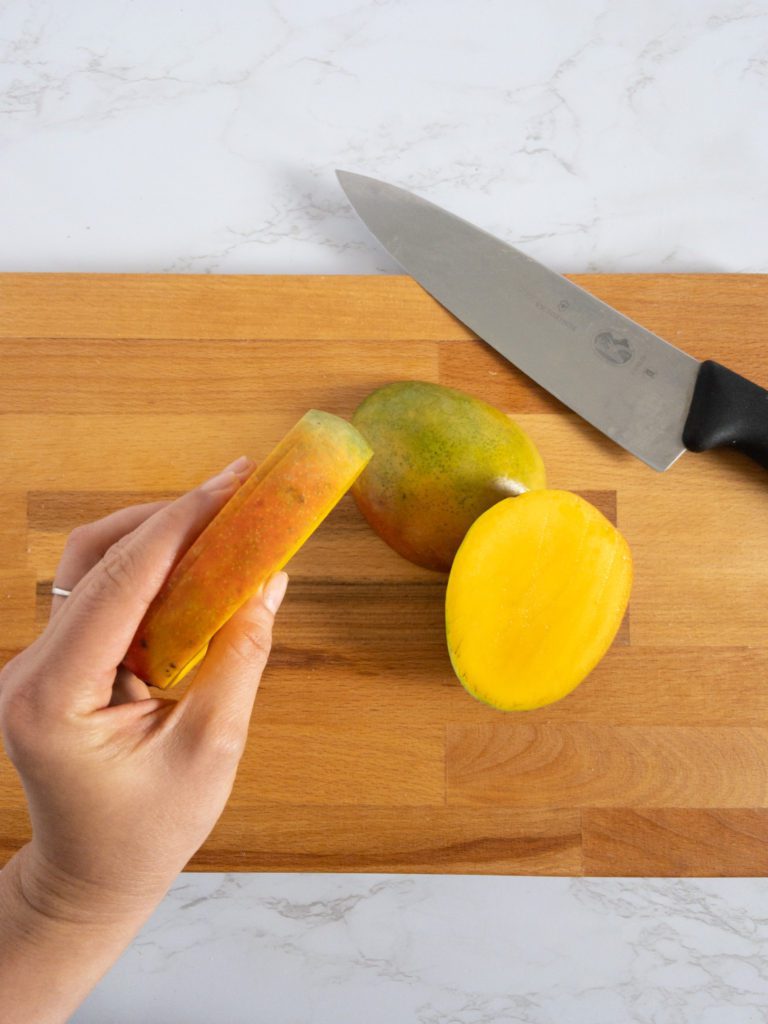
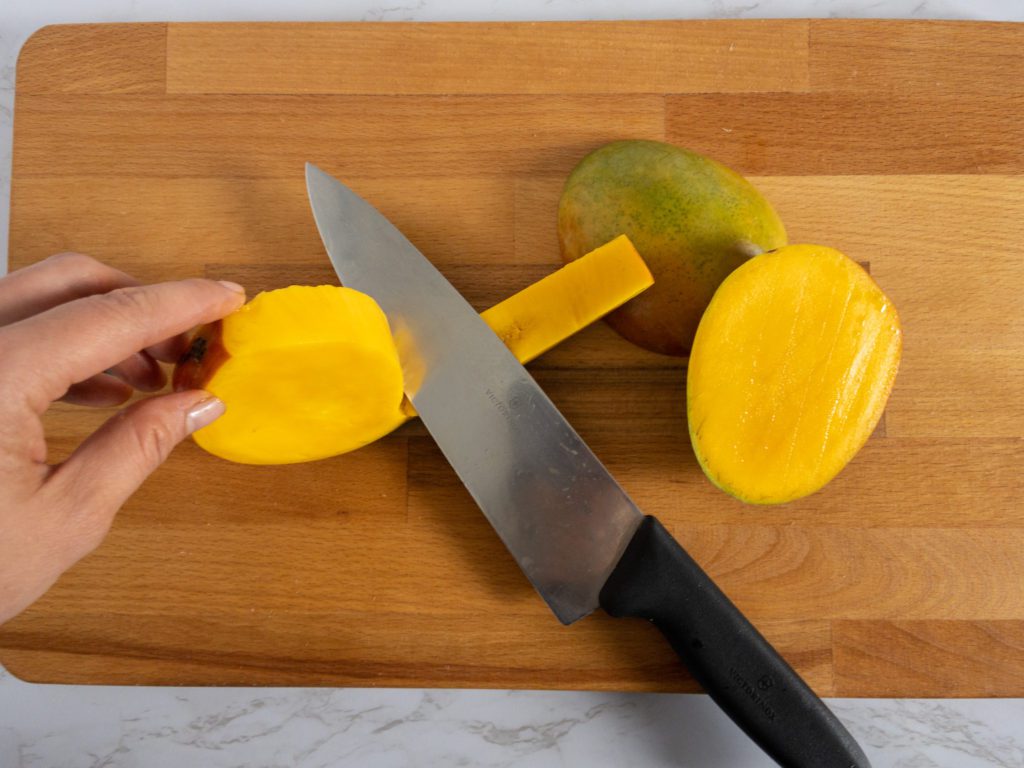
Step 2: Score the flesh. Place each mango cheek skin-side down and carefully score the flesh into a grid, without cutting through the skin.
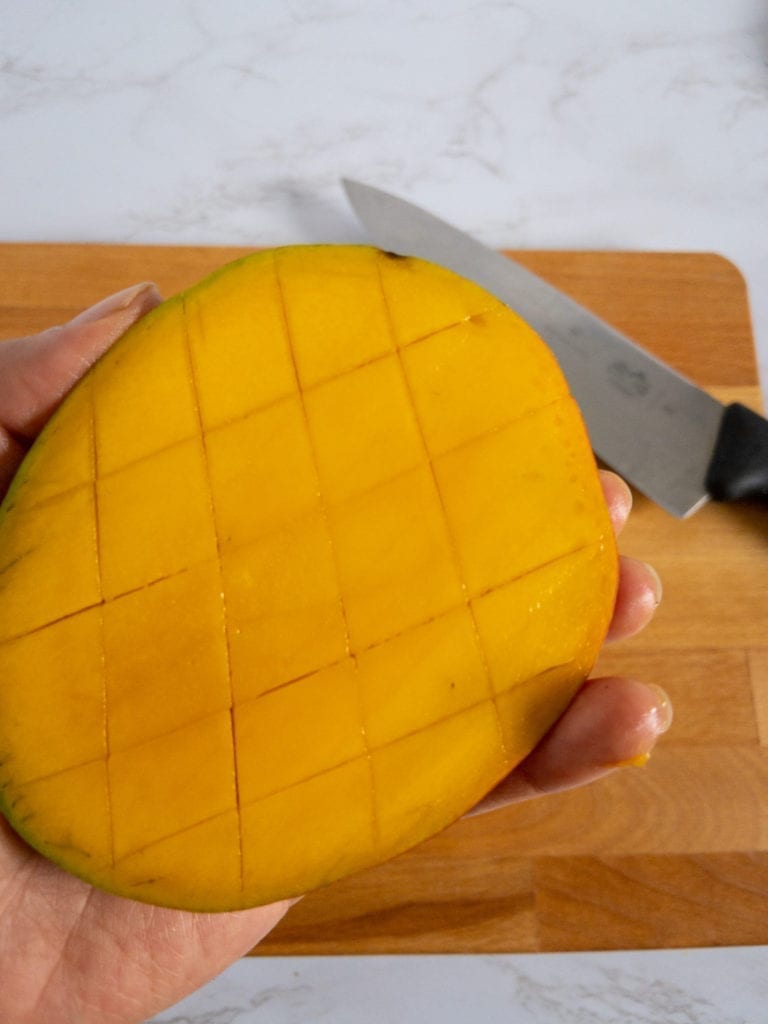
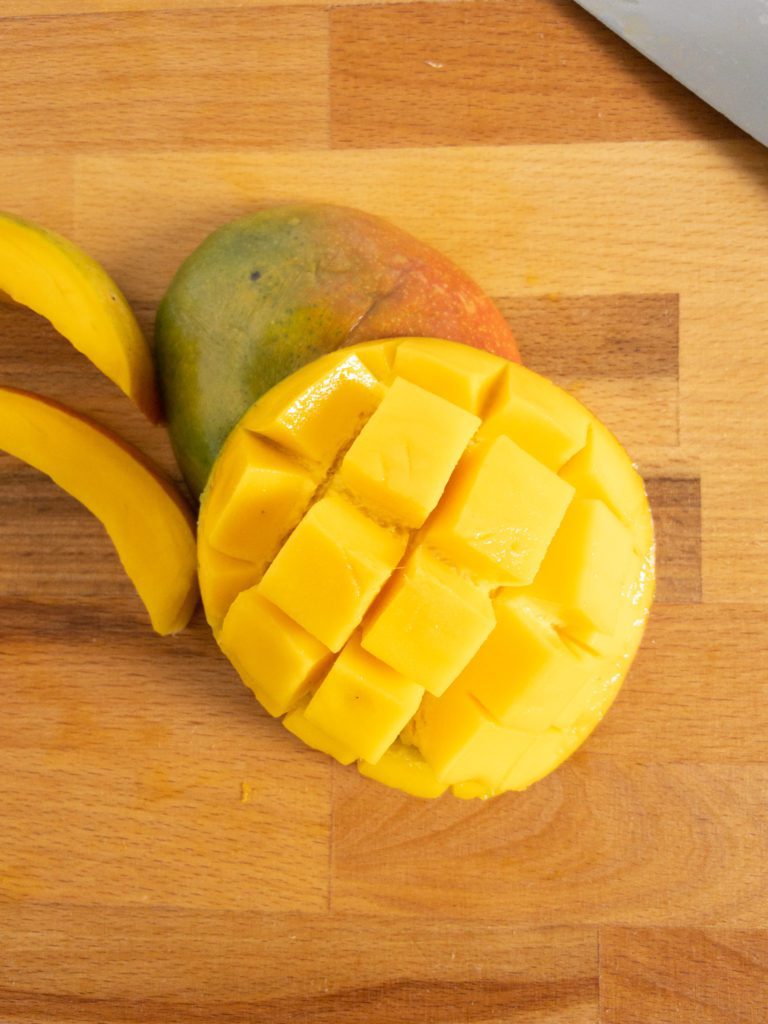
Step 3: Remove the cubes. Gently turn the cheek inside out, then carefully slice or scoop the mango flesh away from the skin. Make sure no skin or pit ends up in your baby cereal.
Are all coconut milks the same?
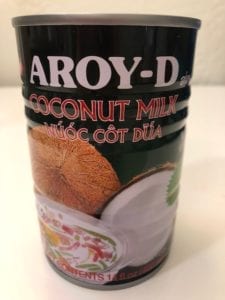
Not all coconut milk is the same. Canned coconut milk is generally richer than the coconut milk beverages sold in cartons. For this cereal, choose plain, unsweetened canned coconut milk without added sugar. Only a small amount is needed.
I have enjoyed using Aroy-D coconut milk for its rich, creamy consistency. You may find it at an Asian grocery store or online here. Check the current ingredients and packaging because products can change.
How do you make Mango + Coconut Rice Baby Cereal?

You will need:
- 1/2 cup of rice baby cereal, either freshly made or defrosted from your stash in the freezer
- 1/4 cup mango, either fresh or frozen (thawed)
- 1/8 cup canned coconut milk
- 1/8 teaspoon of fresh grated ginger (optional)
Step 1: Prepare the ingredients.
Make sure your rice baby cereal is fully cooked and cooled to a safe blending temperature. Cut the ripe mango into small pieces, or thaw frozen mango in the refrigerator.
Step 2: Combine.
Add 1/2 cup cooked rice baby cereal, 1/4 cup mango, 1/8 cup unsweetened canned coconut milk, and the optional 1/8 teaspoon grated fresh ginger to a food processor or blender.
Step 3: Blend.
Puree until smooth, adding a small amount of water if needed. You may use prepared infant formula or breast milk to adjust the consistency after the mixture has cooled. For babies ready for thicker textures, blend less thoroughly only if the result is soft and age-appropriate.


Step 4: Check and serve.
You can also mash the soft ingredients with a fork for babies who handle thicker textures well. Make sure there are no firm chunks, check the temperature, and serve immediately or refrigerate promptly.
Can Babies Eat Rice Cereal?
Yes. Babies who are developmentally ready for solids—usually around 6 months—can eat appropriately prepared rice cereal. Because rice can contain more inorganic arsenic than some other grains, it is a good idea to rotate rice cereal with other choices, such as oatmeal, barley, and multigrain cereals. Iron-fortified cereals can be useful sources of iron.
Mango + Coconut Rice Baby Cereal FAQs
Can I Use Frozen Mango?
Yes. Thaw frozen mango safely in the refrigerator before adding it to the cereal.
Can I Make This Without Coconut Milk?
Yes. You can leave out the coconut milk and adjust the texture with a little water, prepared infant formula, or breast milk. The flavor will be less creamy.
Can I Freeze Mango Rice Baby Cereal?
Yes. Freeze in small portions and use within 1–2 months for best quality. Thaw in the refrigerator and stir well, since the texture may change slightly.
More Tips for Introducing Solids
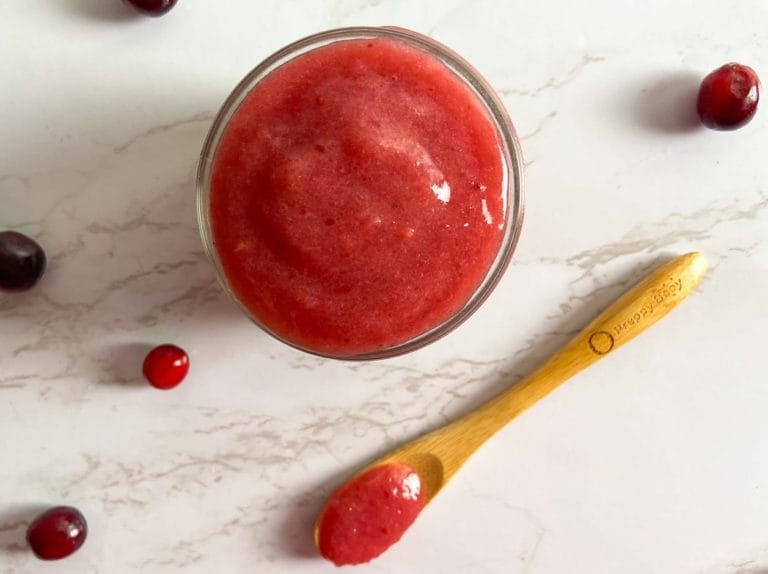
If you enjoy experimenting with homemade baby food, my Raising a Foodie guide has tips for exploring new flavors, and this Peach + Coconut Quinoa Baby Cereal is another fruity cereal option.
Feeding reminder: This recipe is intended for babies who are developmentally ready for solids, typically around 6 months. Introduce unfamiliar ingredients separately when appropriate, use a safe texture, and consult your pediatrician for individualized feeding or allergy concerns. This post is for general educational information.
Try these other baby food recipes!
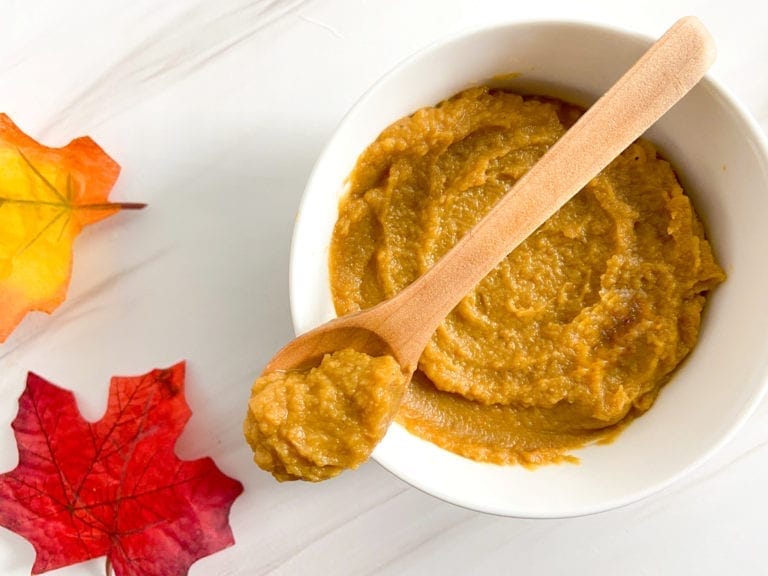
- Mango Baby Food Puree, Three Ways
- Red Lentil + Carrot Baby Food Mash
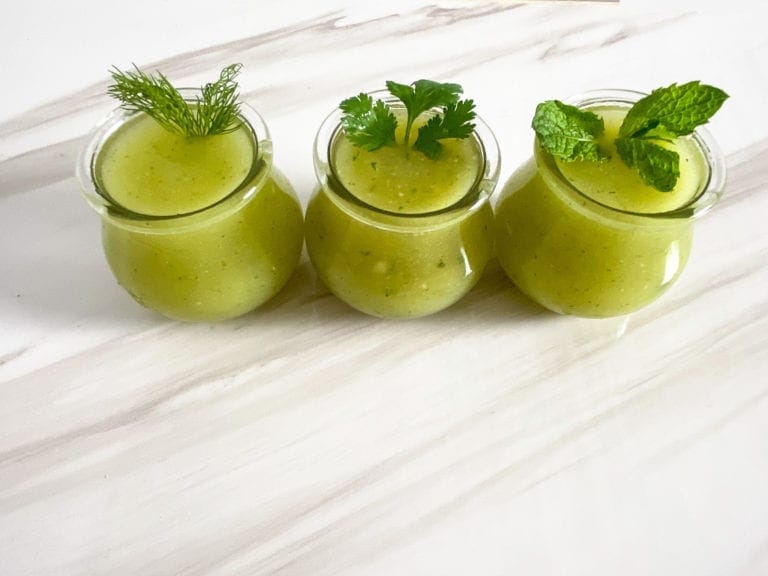
- Cucumber + Melon Baby Food Puree
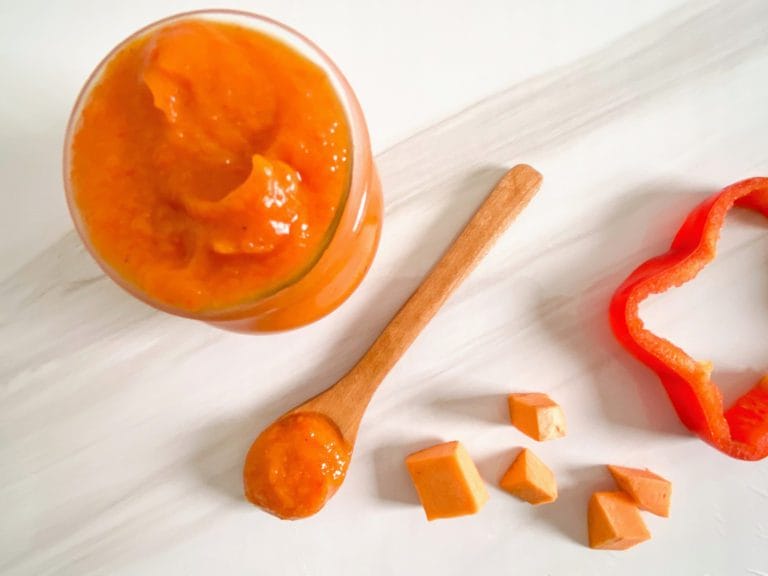
- Okinawan Sweet Potato Baby Food Puree
- Cauliflower + Pea Baby Food Puree

Mango + Coconut Rice Baby Cereal
Ingredients
Method
- Make sure your rice baby cereal is fully cooked. Cut the ripe mango into small pieces, or thaw frozen mango safely in the refrigerator.
- Add 1/2 cup cooked rice baby cereal, 1/4 cup mango, 1/8 cup unsweetened canned coconut milk, and the optional 1/8 teaspoon grated ginger to a blender or food processor.
- Blend until the cereal reaches your desired consistency. Add a little water if needed. You can also use prepared infant formula or breast milk once the ingredients have cooled.For babies ready for thicker textures, blend less thoroughly, making sure the mixture remains soft and age-appropriate.
- Check the temperature and texture before serving. Serve immediately or refrigerate promptly for later.
Notes
-
Recipe Tips:
- Use ripe, sweet mango for the best flavor. Thawed frozen mango works well, too.
- Choose plain, unsweetened canned coconut milk for a creamy consistency.
- The ginger is optional. Start with a small amount when introducing new flavors.
- Add liquid gradually to reach your baby’s preferred consistency.
- Offer rice cereal as part of a varied diet that includes other grains and iron-rich foods.
- Refrigerate promptly in an airtight container for 1–2 days or freeze individual portions for 1–2 months for best quality.
- Discard any leftovers from your baby’s serving bowl.