

9 Creative Hands-On Learning Activities for Homeschoolers
Some of the content in this post was provided by a contributor. We only share resources we think are helpful.
Homeschooling gives you room to make lessons more active, but filling every school day with meaningful activities can get tricky. Young kids often understand an idea more easily when they can touch it or create something connected to what they’re studying. You don’t need an elaborate project for every subject, either. A few creative activities for hands-on learning at home can turn familiar lessons into experiences your child can understand and remember.
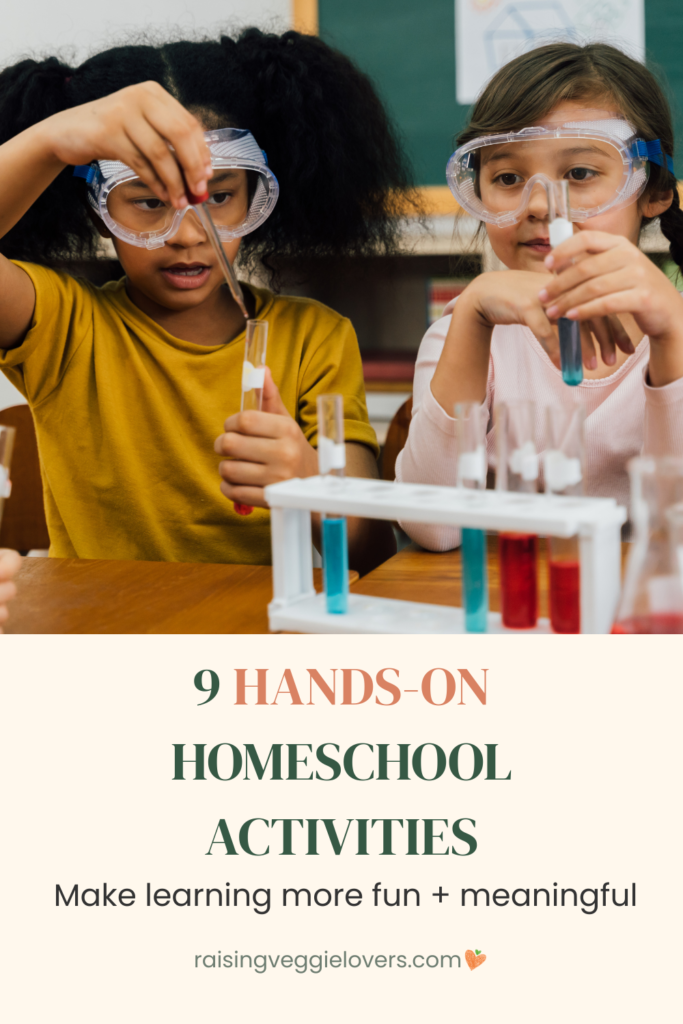
Come Up With Exciting Science Experiments
Young children ask plenty of questions about the world, which gives you a natural starting point for science. Instead of explaining every answer first, give your child a chance to investigate. A simple experiment lets them make a prediction and then watch what happens.
You can make these lessons relevant by starting with something your child already notices. If they’re curious about plants, for example, grow the same type of seed under different conditions and have them observe its progress. Ask what they notice each day so they practice describing changes in their own words.
For another fun way to explore science at home, try our Solar Oven S’mores STEM Activity with FREE Printable. It combines science and engineering with a hands-on project kids can actually eat when they’re finished.
Bring Math Into the Kitchen
If your child likes helping with meals, you already have a useful space for practicing math. Measuring ingredients gives younger kids a concrete way to work with quantities instead of only seeing numbers on a worksheet. As children get older, you can adjust recipes to introduce more challenging calculations.
Keep the focus on participation rather than turning every cooking session into a formal lesson. Ask your child to measure an ingredient or compare amounts while you prepare a favorite family recipe together. They’ll practice useful math while seeing why those skills matter outside schoolwork.
Use Art Across Subjects
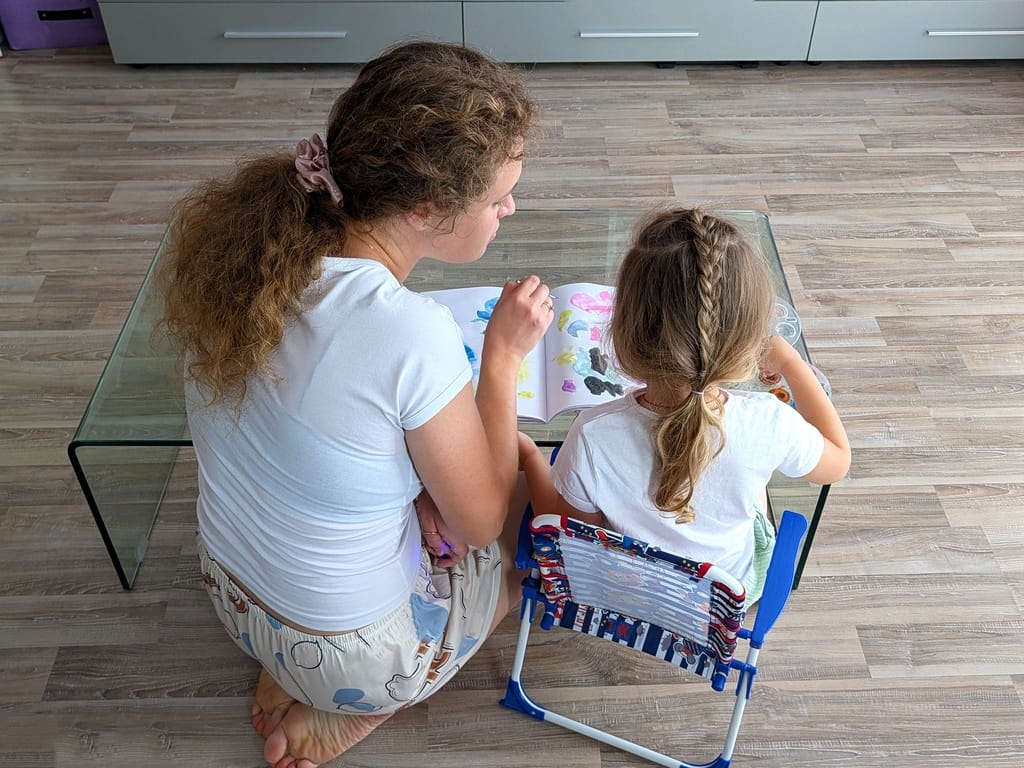
You don’t have to exclude art from the rest of your homeschool day. Your child can draw a scene after reading a story or create a picture that represents something from a science lesson. Making something gives kids another way to process an idea after they’ve heard or read about it.
You’ll get more value from the activity when the materials match what your child can comfortably use. Basic supplies can support plenty of projects and give children more opportunities to draw, build, and communicate ideas visually. Keeping dependable materials nearby also makes it easier to add a creative element when a lesson calls for one.
Let Kids Make Decisions
Try not to decide what every finished project should look like. If your child needs to show the parts of a plant, for instance, you can explain what information the project needs to communicate while leaving room for creative decisions. Your child might draw the plant or create a model from materials you already have.
That freedom encourages children to think about what they want to communicate. They must make decisions rather than simply copy an example. You can then ask them to explain their creation, which gives them another opportunity to put their understanding into words.
Take Lessons Outside
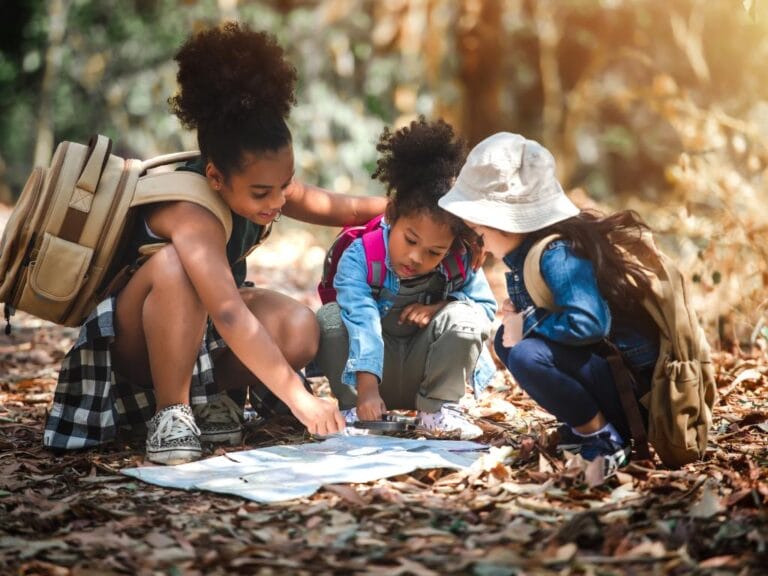
A backyard or nearby outdoor space can give your child a chance to study concepts that become much clearer when they can see them in real life. Nature works particularly well for observation because it changes throughout the year.
You can adapt outdoor activities to your child’s age and current interests. Here are a few simple ways to get started:
- Sketch a plant and note changes over time
- Measure shadows at different times of day
- Collect fallen leaves for a nature journal
- Watch birds and record their behaviors
- Look for shapes during a neighborhood walk
Make Stories More Interactive
Reading together already gives children opportunities to build language skills and encounter new ideas. You can extend that experience by asking your child to interact with a story after you close the book. Instead of relying on a worksheet, give them a creative way to show what they remember.
Your child might draw a picture inspired by an important moment and then tell you about it. You could also invite them to imagine what happens after the story ends. Both approaches encourage kids to think about what they’ve read rather than simply repeat facts back to you.
Follow Their Curiosity
Pay attention when a book sparks an unexpected question. If a story about an animal suddenly makes your child curious about where that animal lives, you’ve found a natural path into another subject. Following that question can turn reading time into a deeper learning experience.
That doesn’t mean you should abandon your homeschool plan whenever curiosity takes the lesson somewhere new. Give your child enough space to investigate the question, then connect what they find to the subject you’re already studying. This approach shows kids that different areas of knowledge often connect.
Build With Everyday Materials
Construction activities give kids a chance to work through a problem with their hands. Cardboard and other reusable household materials can become useful building supplies without requiring an expensive kit. Give your child a challenge that suits their age and let them decide what to build.
You might ask a younger child to create a bridge that can hold a small toy. As they work, ask what they could change if the bridge falls. Instead of stepping in with the solution, give them time to adjust their idea and try again.
This kind of activity makes problem-solving visible. Your child gets to see what happens after each decision and then respond to the result. That process can build patience because success doesn’t depend on getting everything right during the first attempt.
Connect Activities to Real Life
Hands-on homeschool activities are more meaningful when children understand why they’re doing them. You can strengthen that connection by showing where a skill appears in ordinary life. Look for opportunities that fit naturally into your family’s routine. Your child could write a note to a relative after practicing letter writing or use a ruler during a building project.
You don’t need to turn every homeschool day into a major project. Start with a lesson your child finds difficult or a subject that already sparks their curiosity, then look for one practical way to make it more interactive. Small changes can create opportunities for children to participate instead of spending the entire lesson listening.